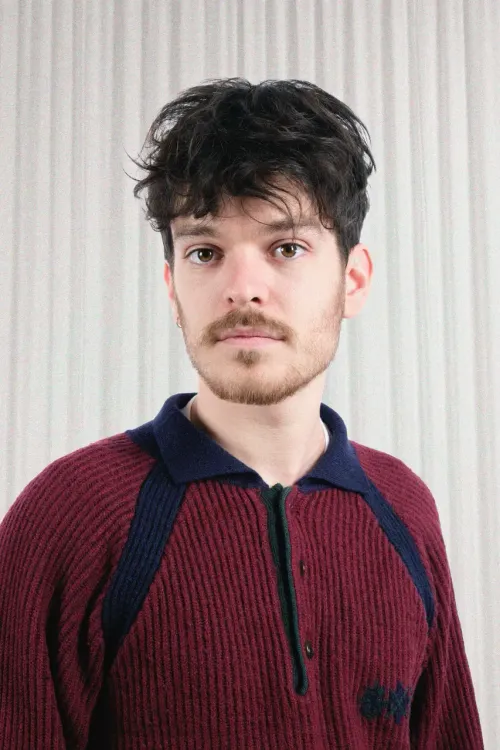
Léon Félix
Léon Félix is an industrial designer active between Lausanne and Geneva. He graduated from the Lausanne Academy of Art and Design and developed his own design practice while working as a craftsman in the school’s model workshop. This dual experience broadened his professional skills in various projects and strengthened his ambition to explore the relationship between design and craftsmanship. His work has been recognized and supported by the Villa du Parc Centre for Contemporary Art, the Swiss Design Award and the Vitra Design Museum.
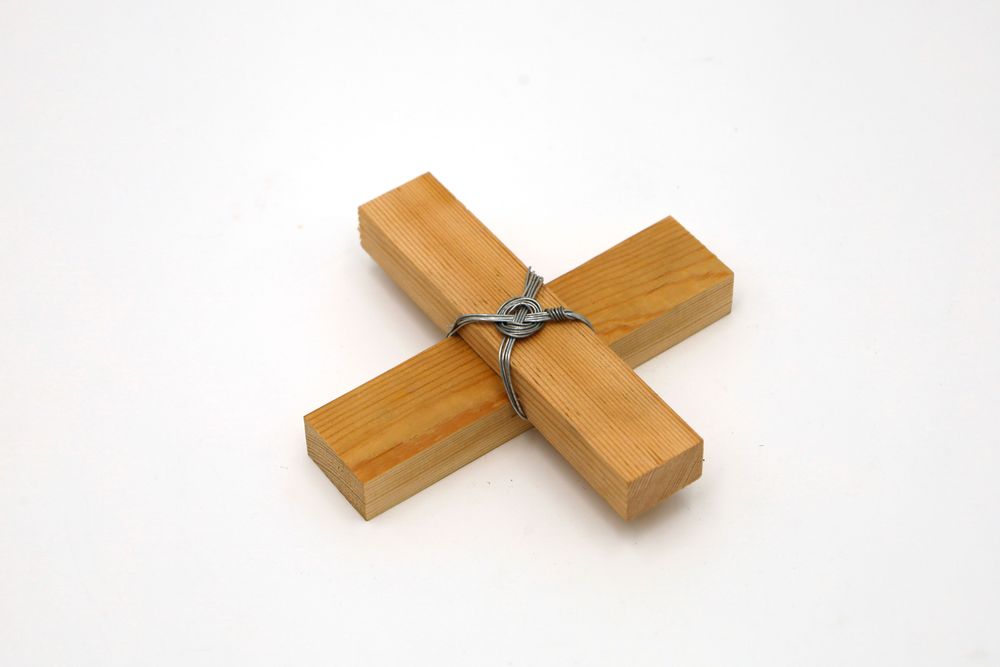
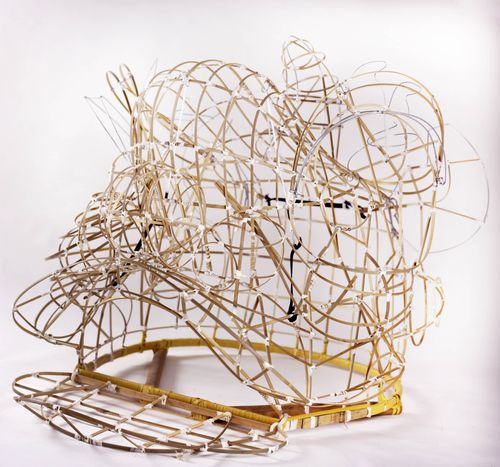
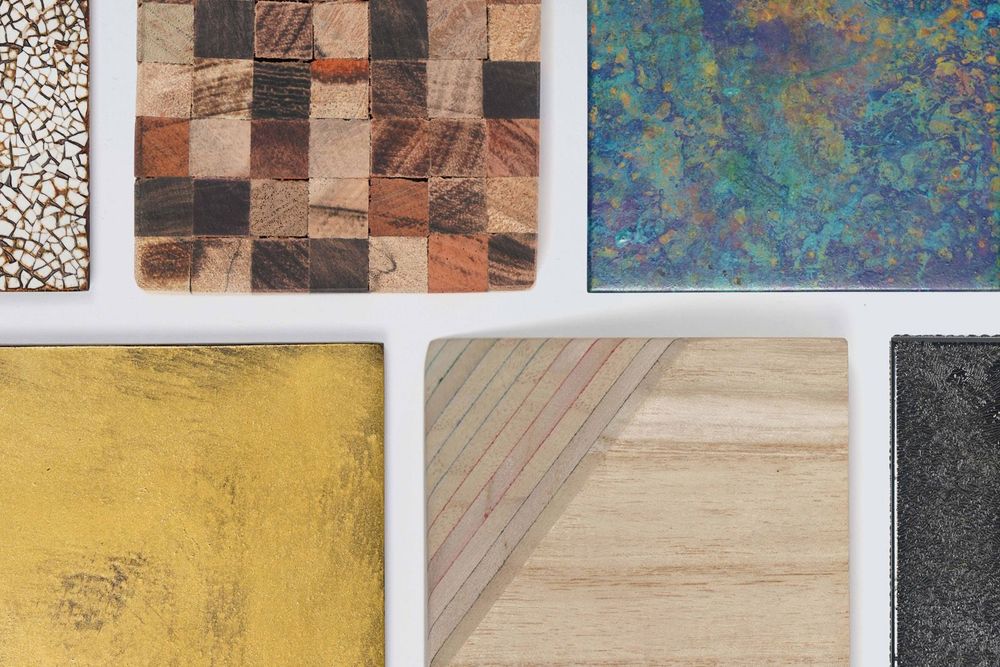
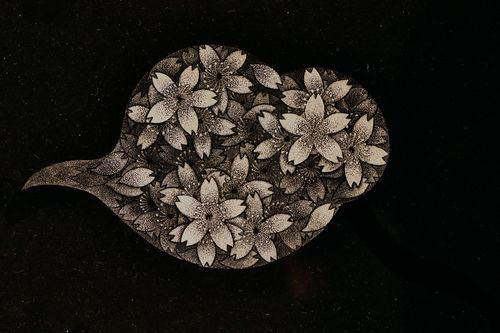
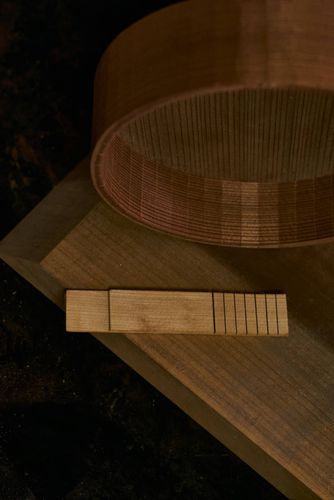
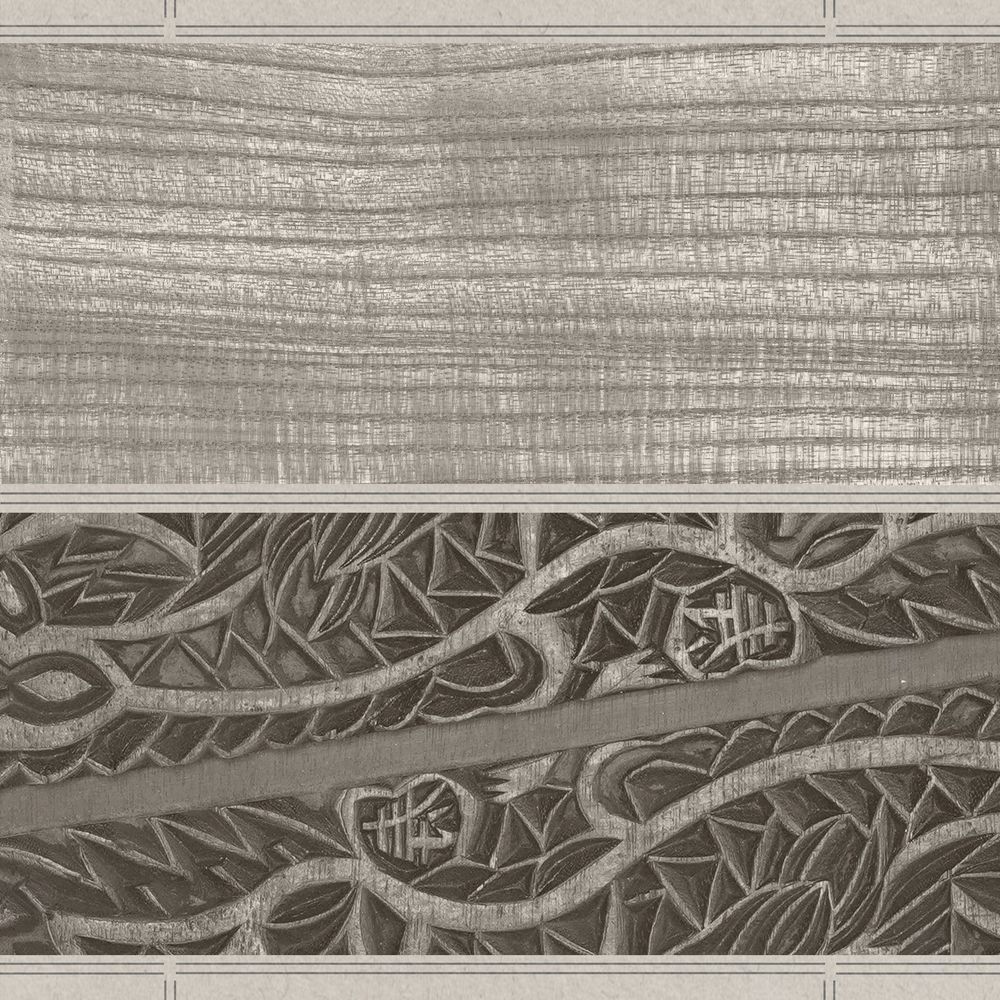
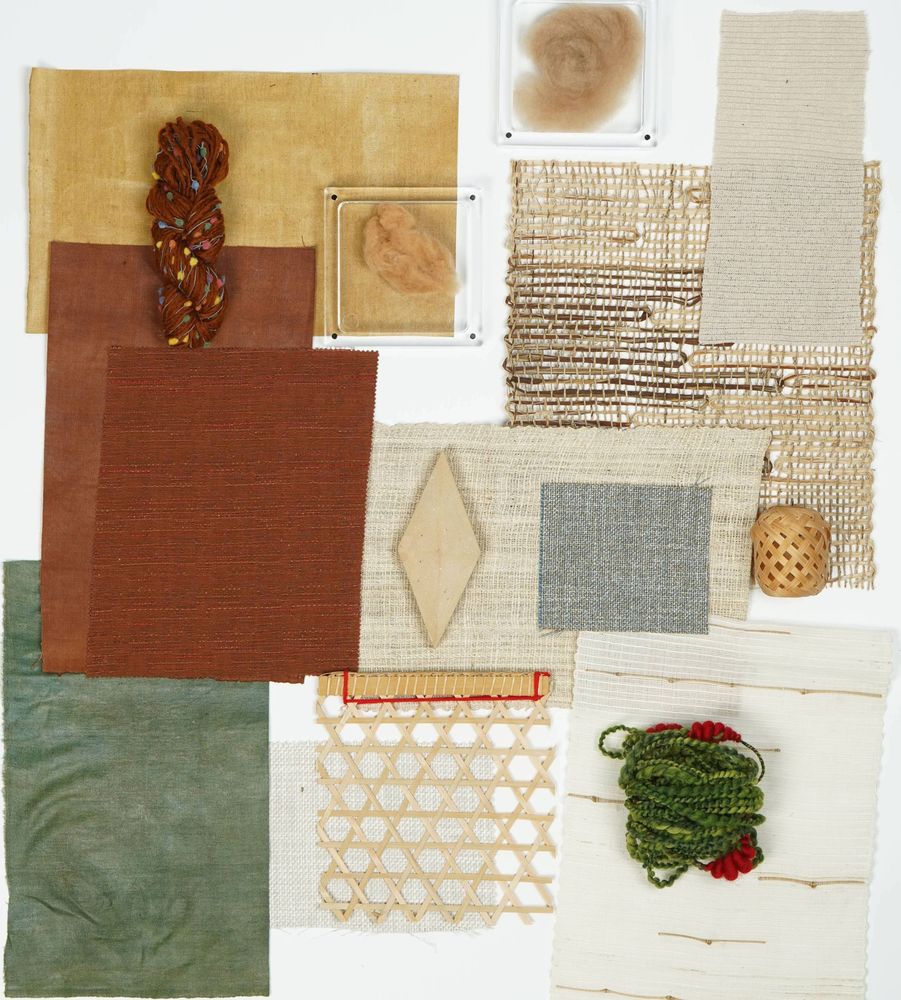
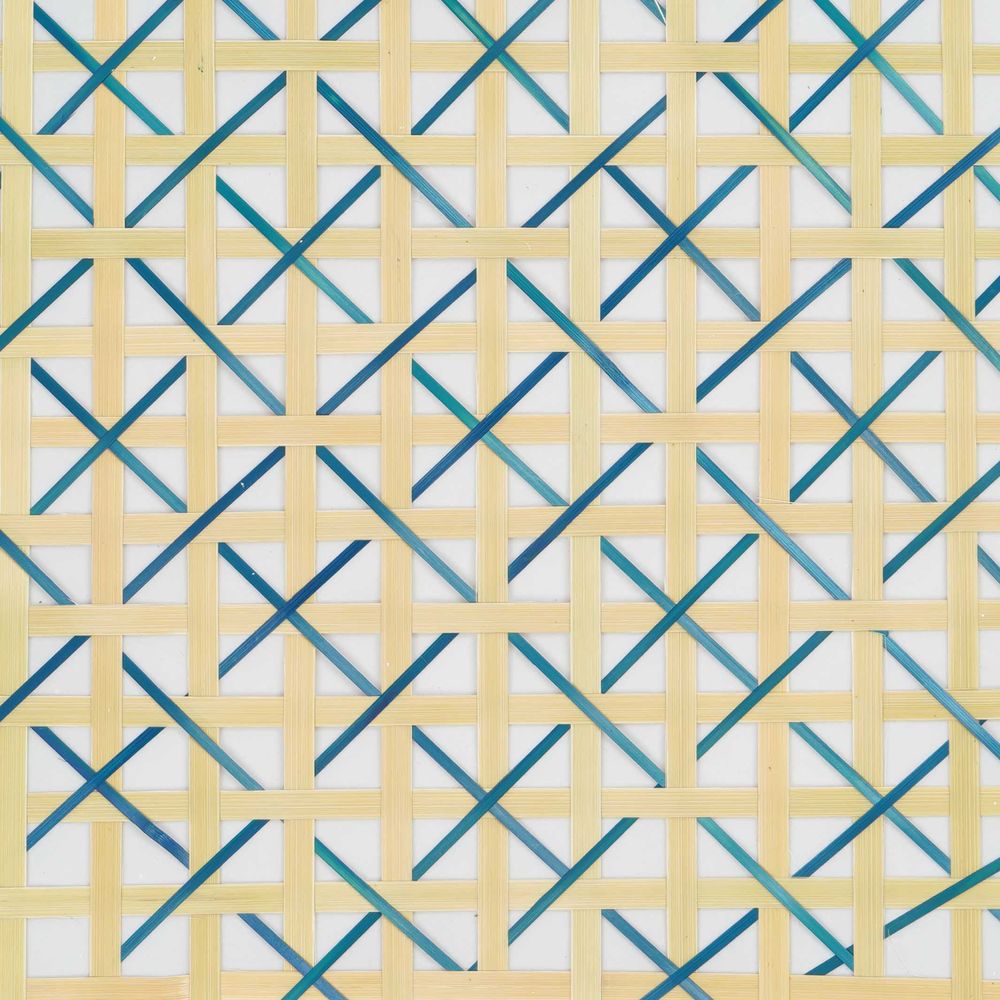
During his residency, Léon plans to explore Chinese lacquer art, boatbuilding technology, and bamboo weaving techniques. He attempts to integrate these skills and create between traditional craft and contemporary production techniques, thereby incorporating handicraft language into daily life contexts. To this end, he conducted a series of experiments and creations, applying these samples to the design of furniture or items, and continuing his previous creative practices.
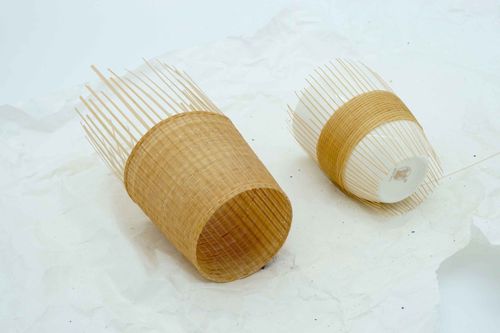
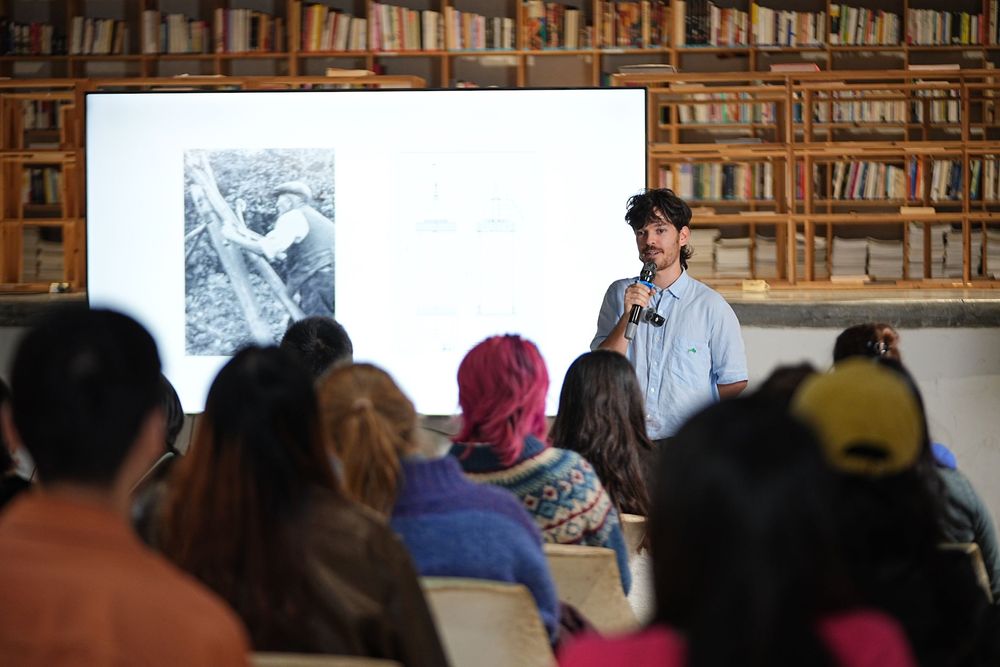
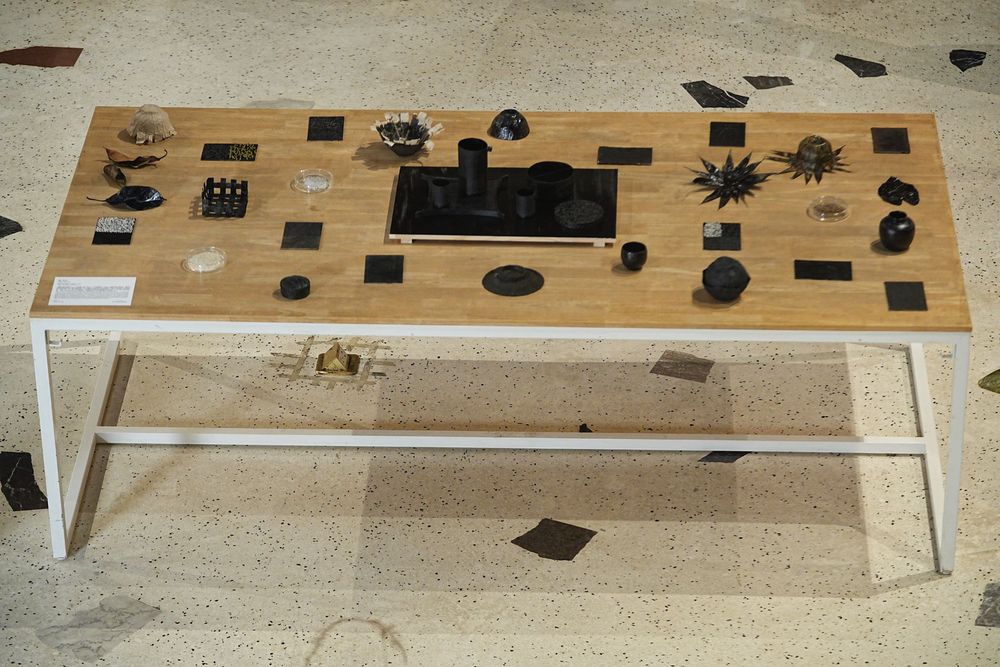
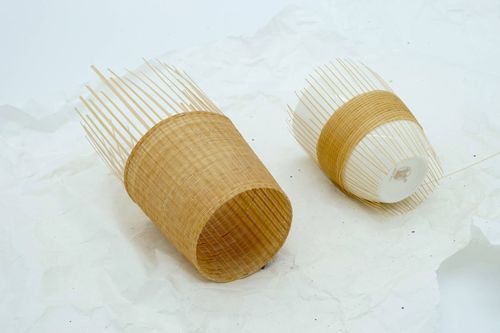
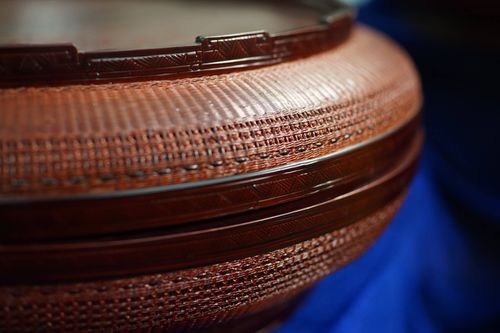
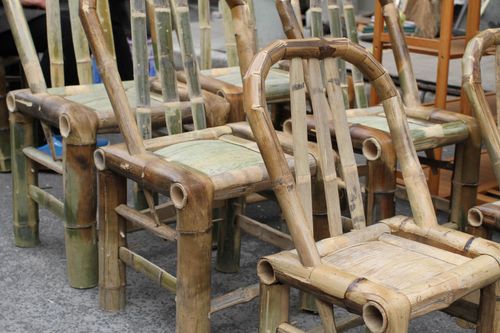
Léon recounted the creative journey of his two works. In the “Raw Series”, he shared his experience of studying lacquer techniques in Fuzhou and Jingdezhen. Through local creation and texture experiments, he transformed these experiences into a set of vessel designs to explain daily rituals. In “Nodes”, he drew inspiration from the pillars of Baoguo Temple in Ningbo and incorporated his image of bamboo into vase design. He used bamboo (rattan) weaving as a way to connect natural and industrial products. Léon takes the dialogue between tradition and modernity as the starting point, rather than just a means, which has become a very distinctive feature of his creations.
Raw Series;Nodes
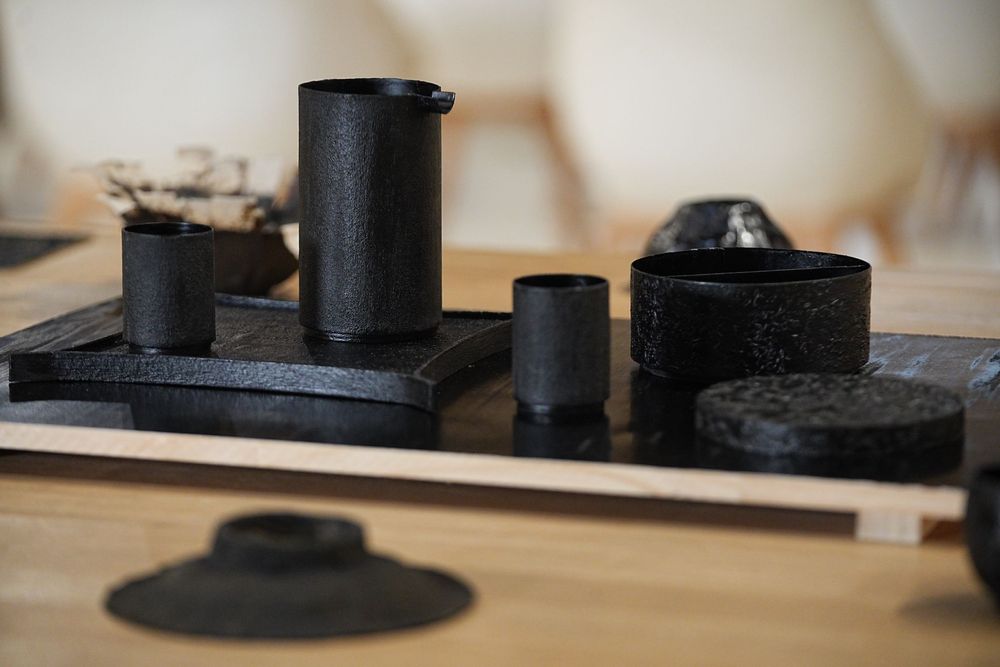
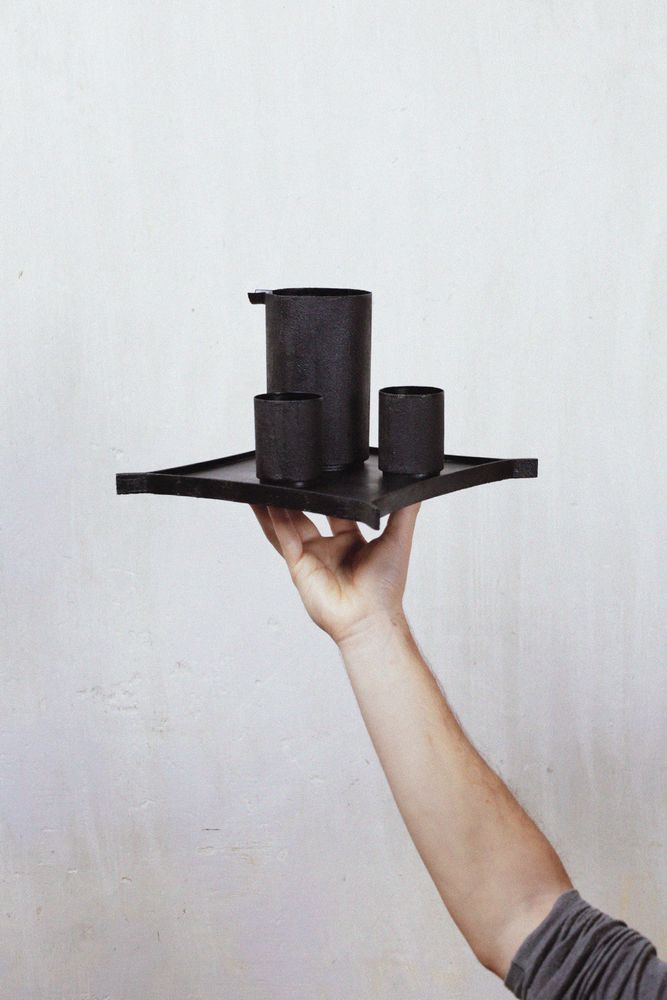
Raw Series
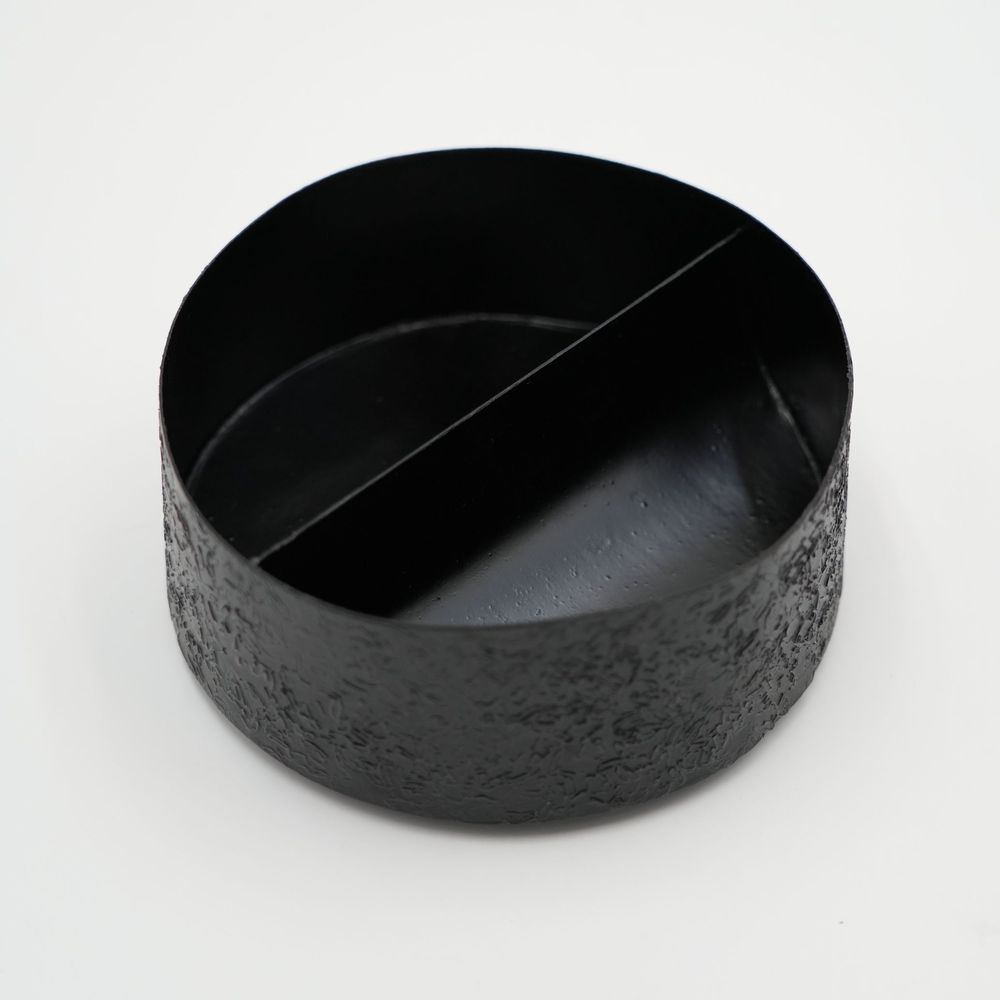
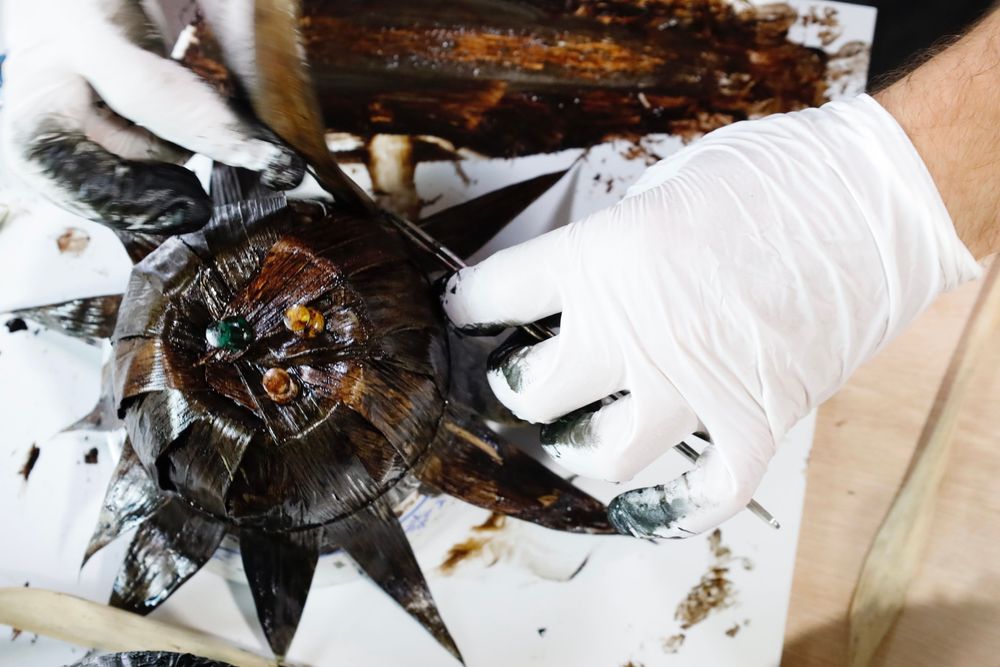
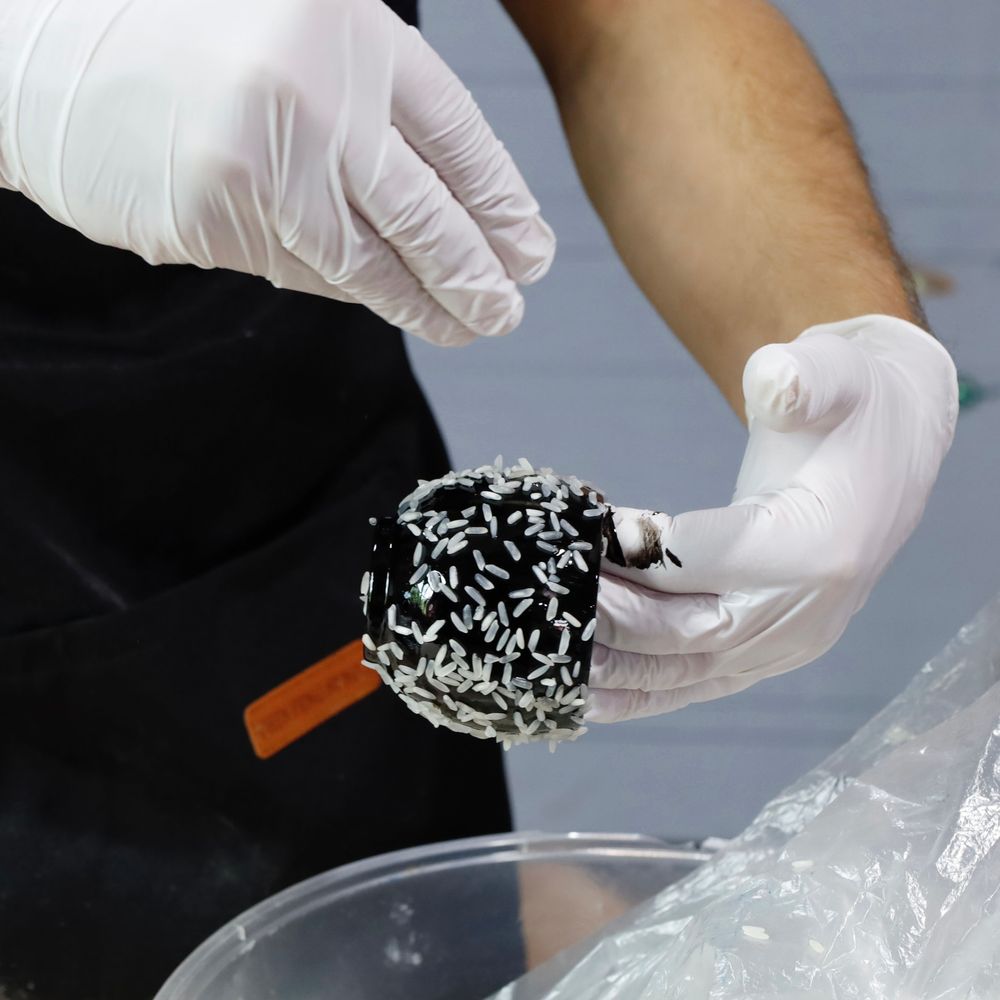
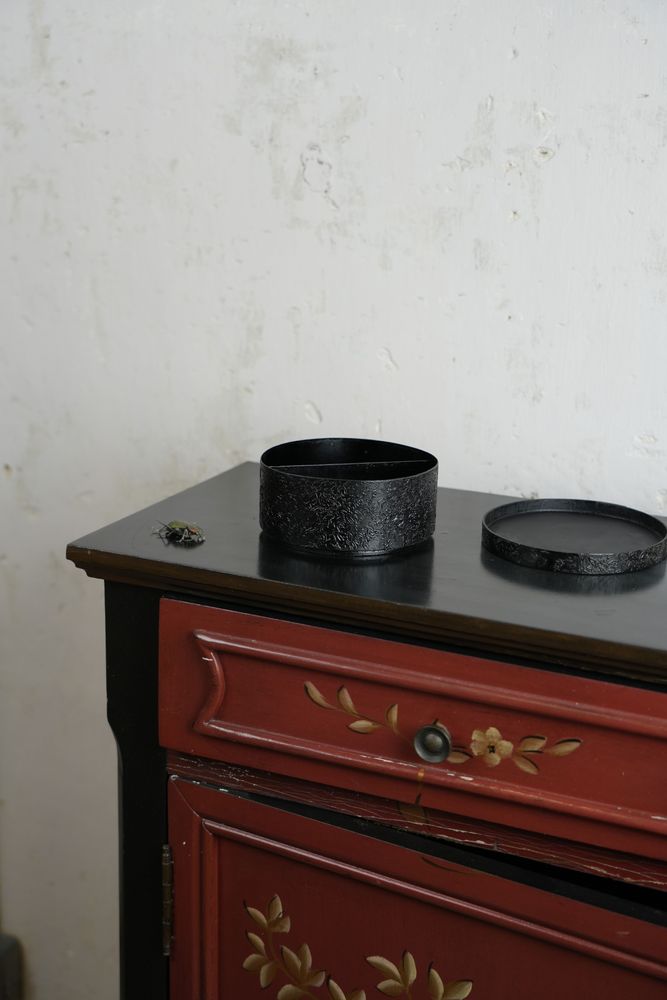
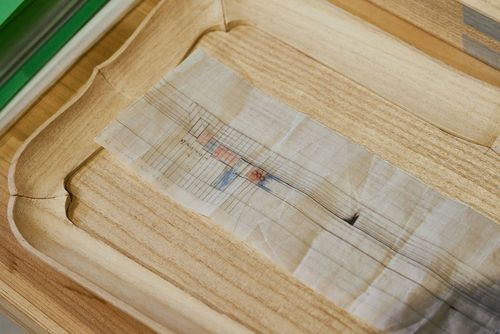
Raw Series reinterprets the ritual of drinking through four essential forms — a tray, two cups, a carafe, and a box. Each piece is made from thick paper, precisely cut by machine, then assembled and transformed through a hand-applied lacquered texture. In this process, the fragile material gains unexpected resilience and durability.
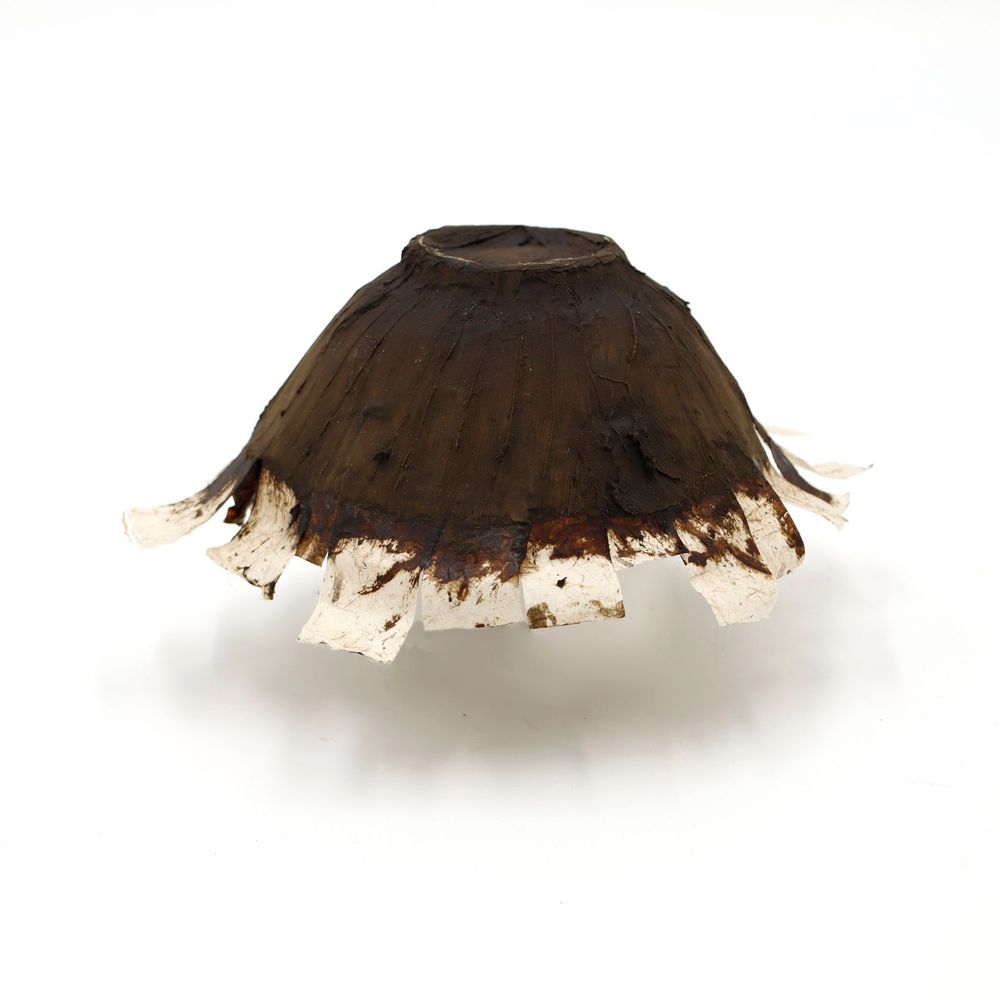
This series integrates two complementary lines of research. Challenging lacquer’s conventional polished aesthetic, the project investigates its early, less refined stages, where the use of accessible materials and process variability give rise to distinctive surface qualities. By combining digital fabrication with traditional lacquering, it redefines fast prototyping as a method for producing final objects.
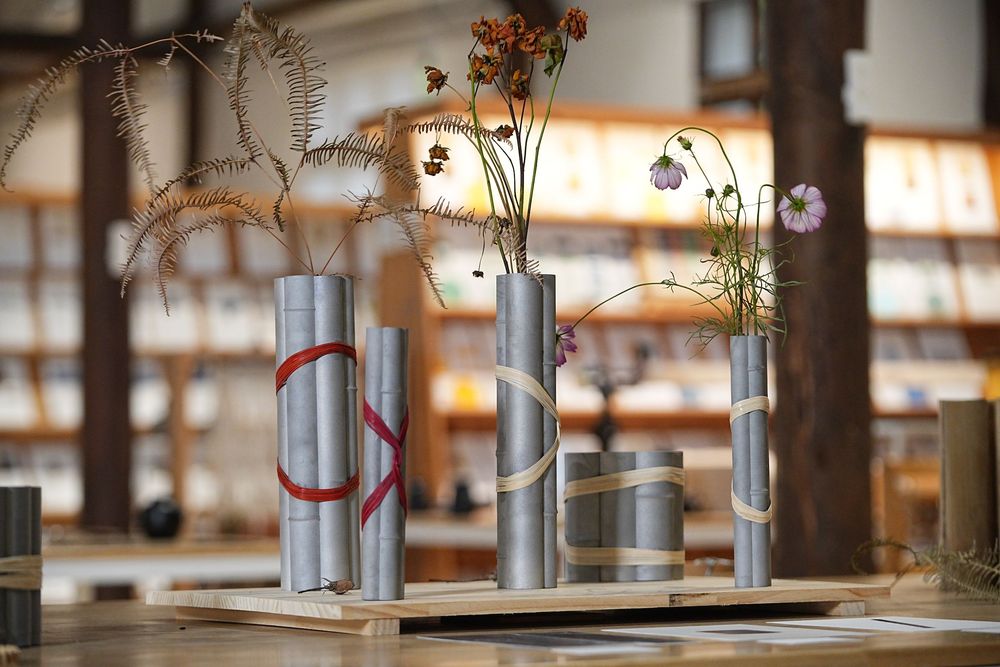
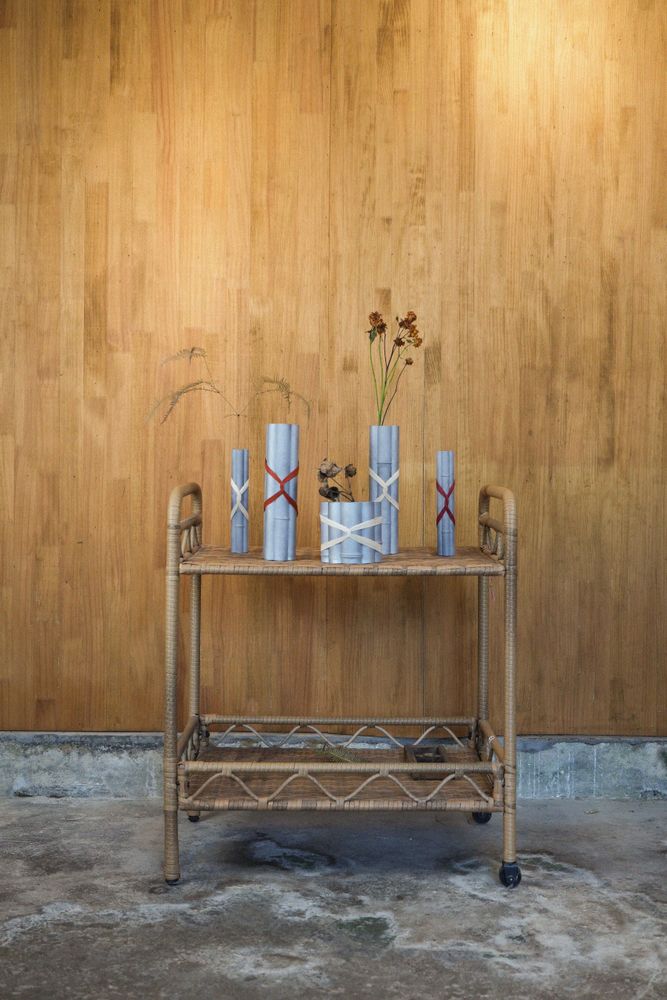
Nodes
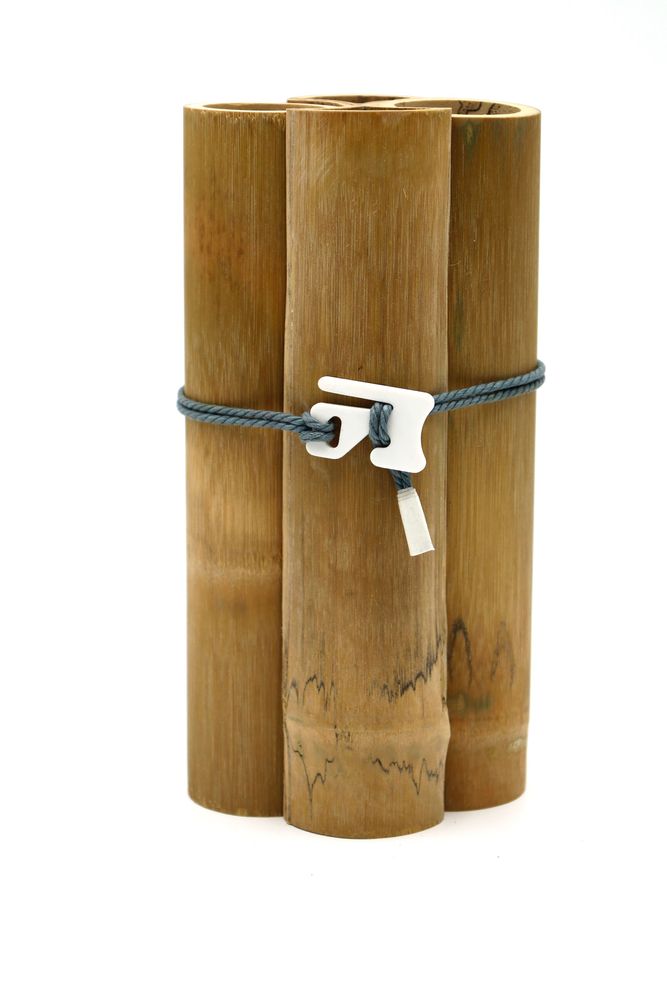
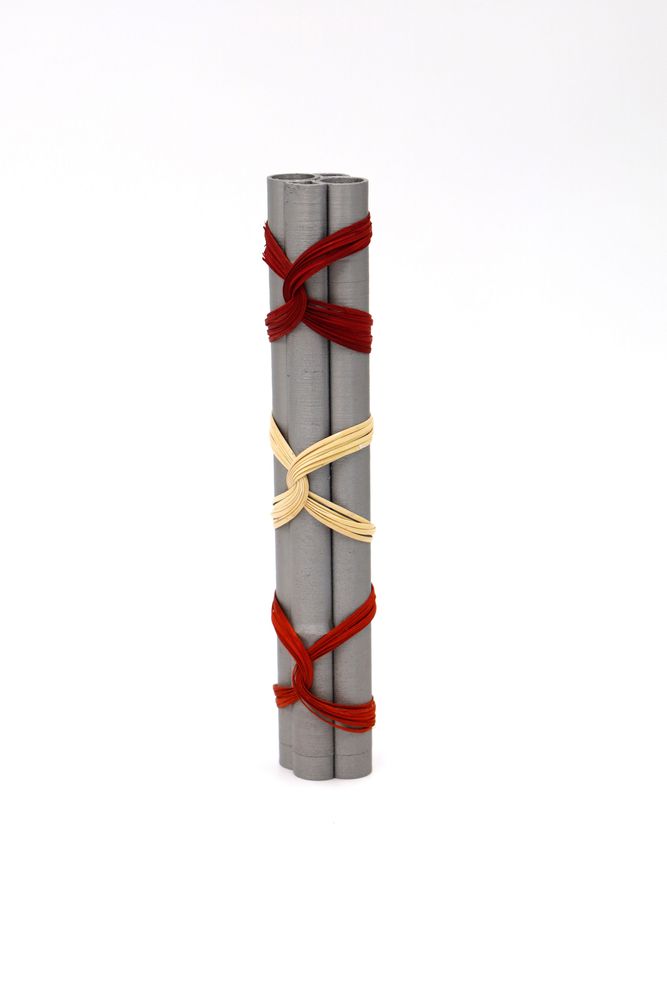
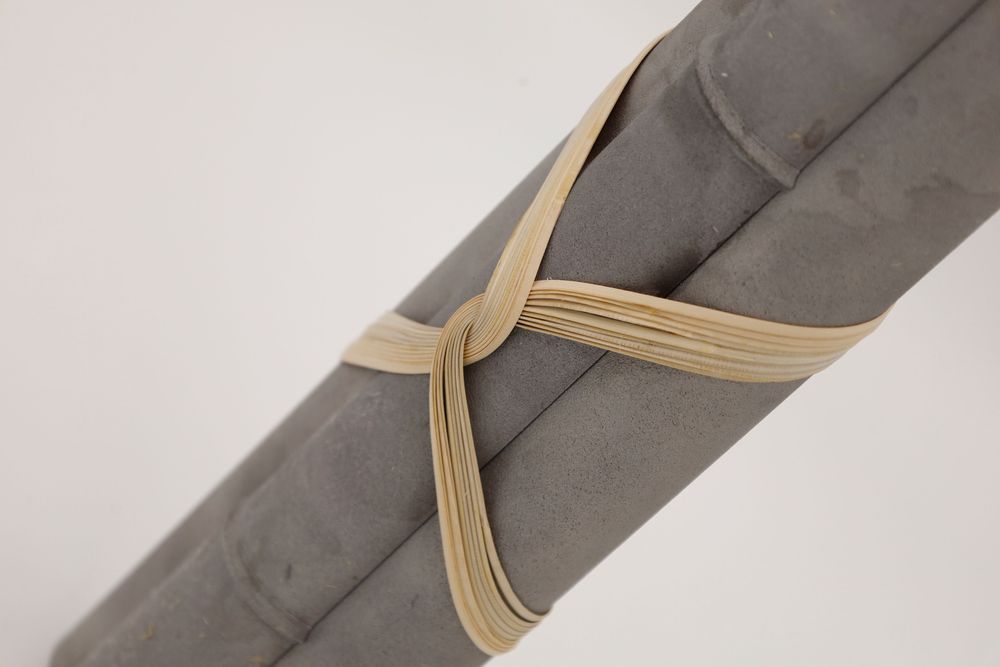
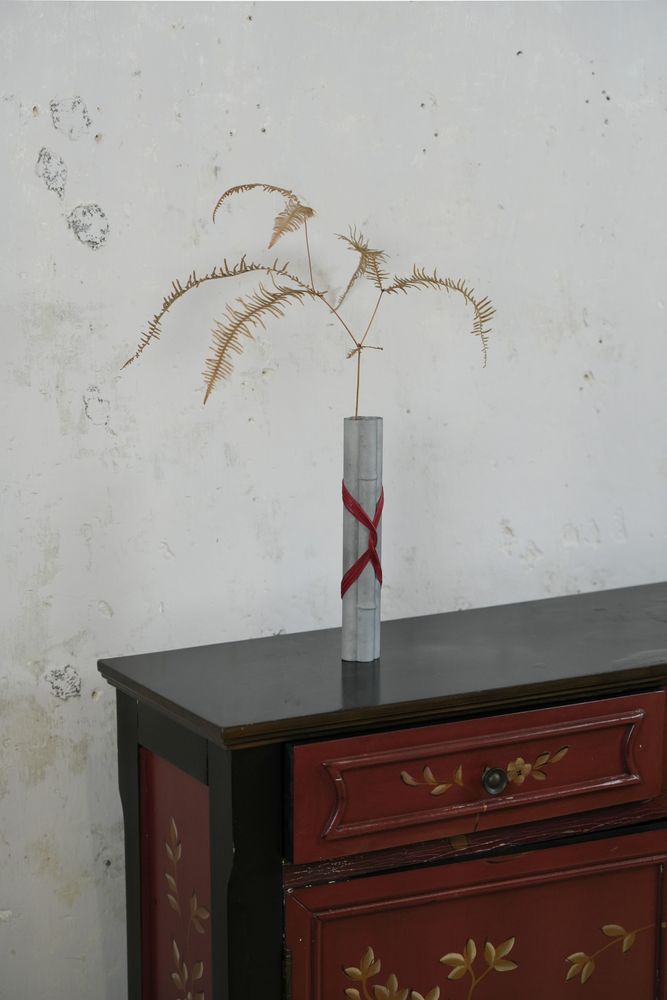
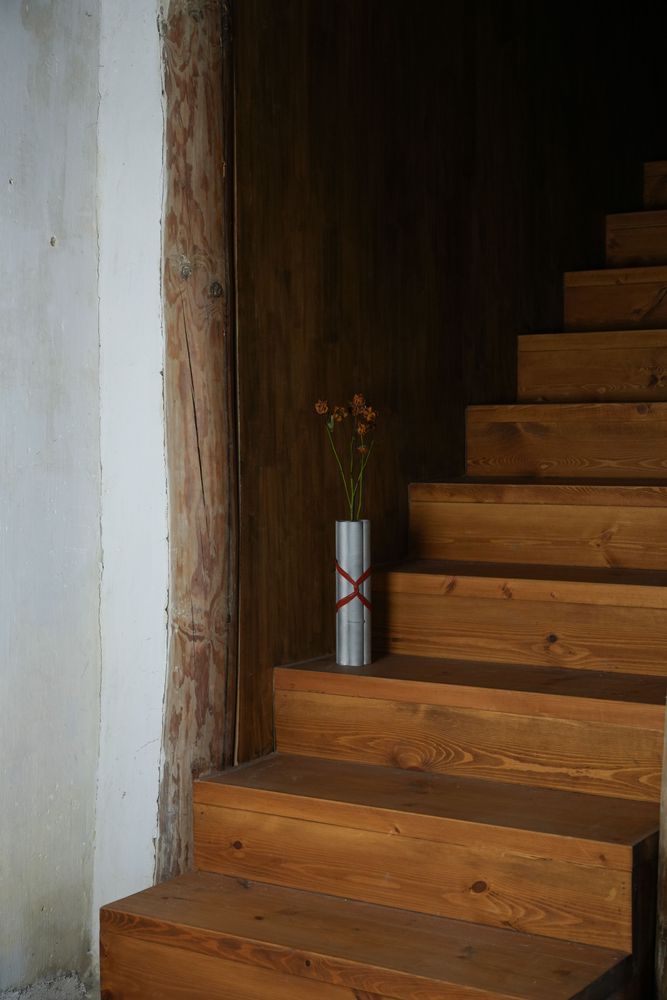
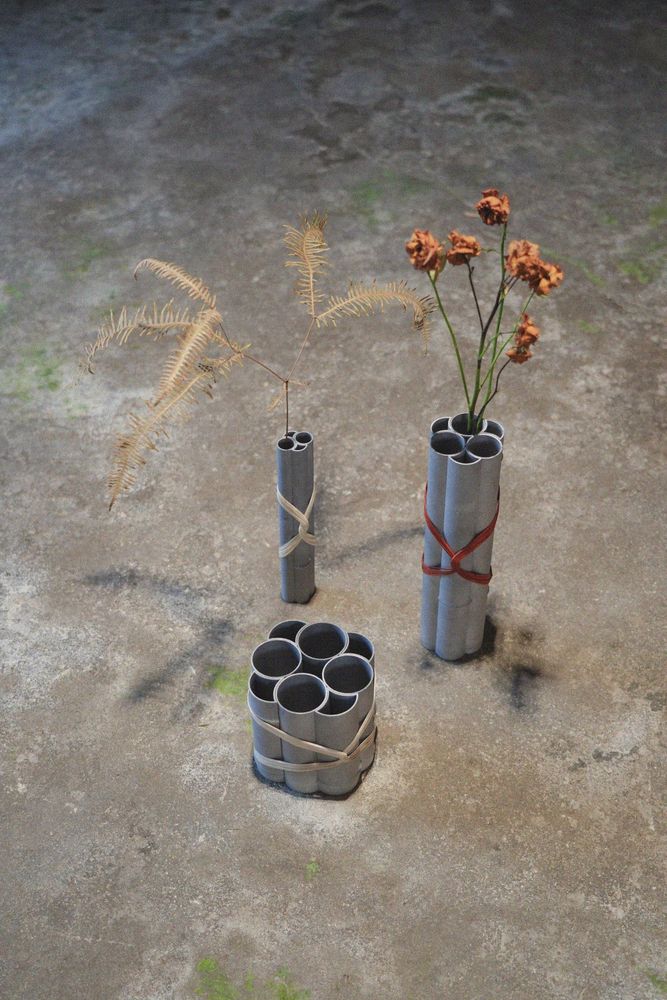
Nodes is a series of vases developed from the study of traditional bamboo craftsmanship and its reinterpretation through contemporary forms. The pieces take reference in city observation of metallic structure with welded seams that symbolically and structurally echo bamboo’s natural structure and nodes. Each vase body is produced using laser selective fusion, creating aluminum profiles of different heights and diameters. Their shapes are inspired by the efficiency of interlocking systems, similar to architectural columns. Each body can be assembled to form a cohesive whole and connected with a traditional handwoven bamboo knot, recalling the original material that inspired their form.
Related Research
Natural Materialscoloring
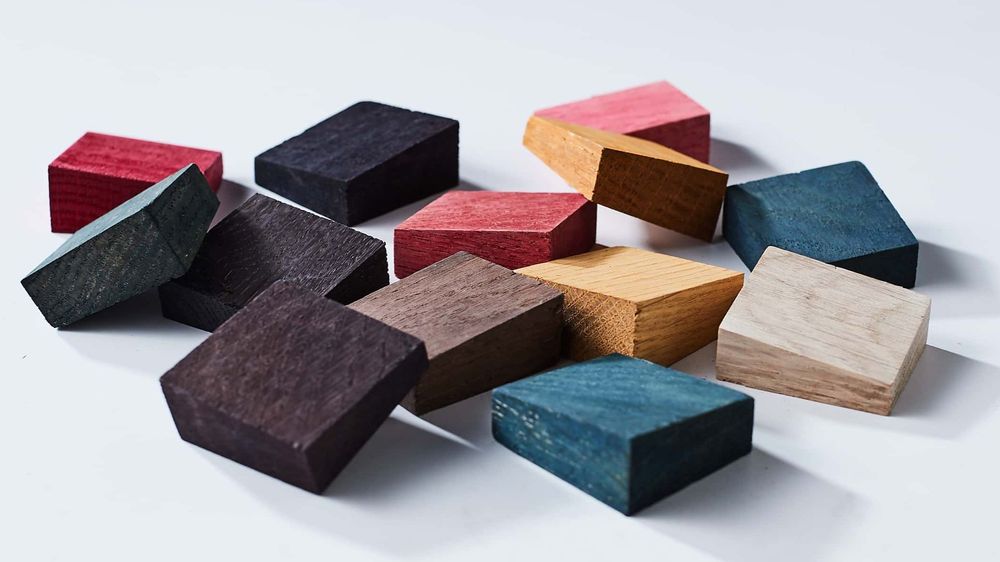
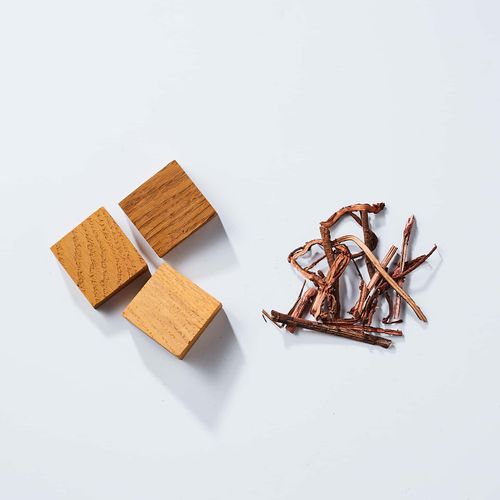
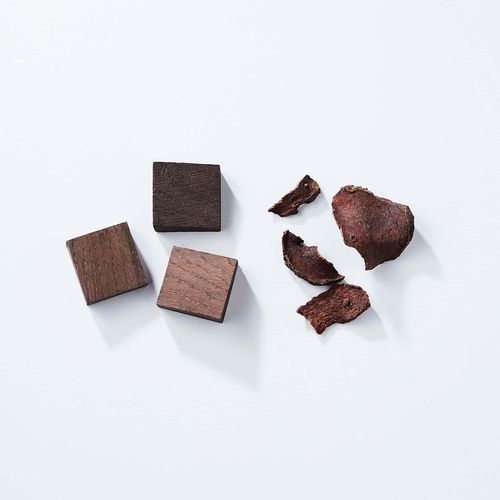
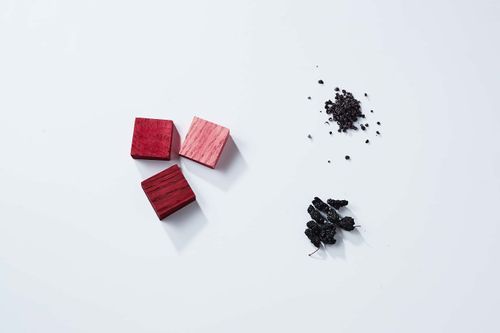
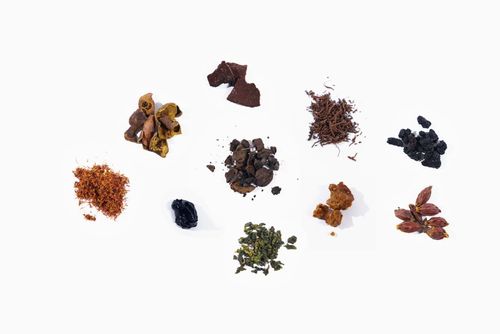
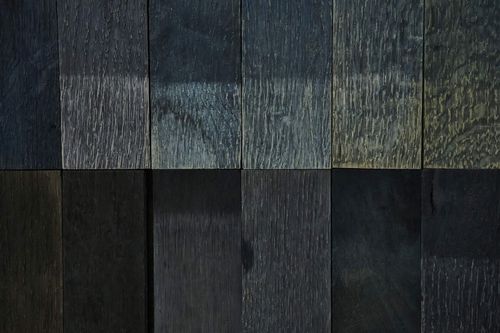
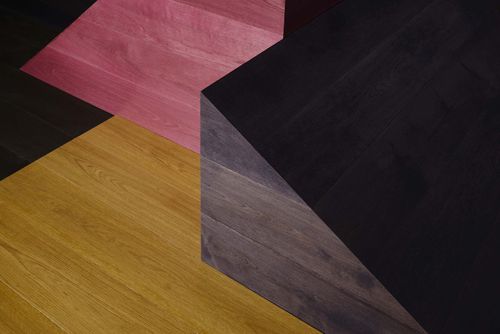
Natural Materials
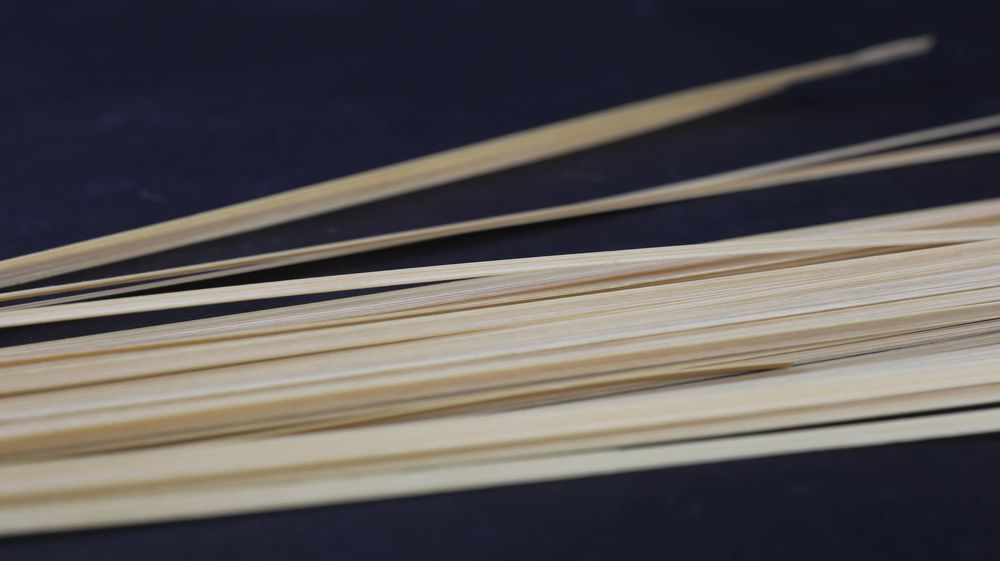
bamboo

textileweaving
silk
weavingtextile
textile texture
weaving
weaving