Pauline Agustoni
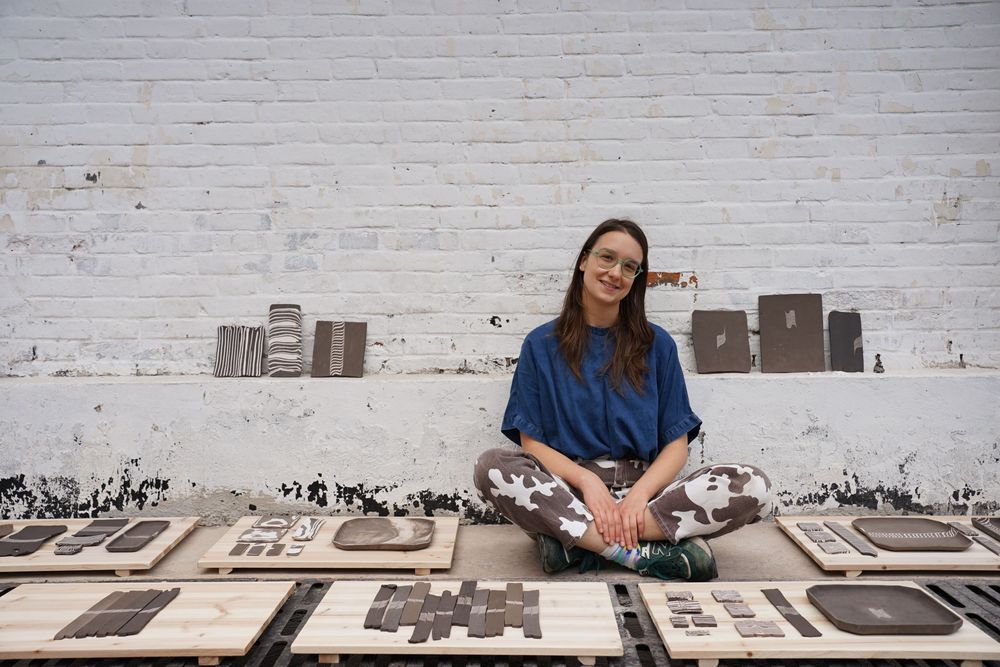
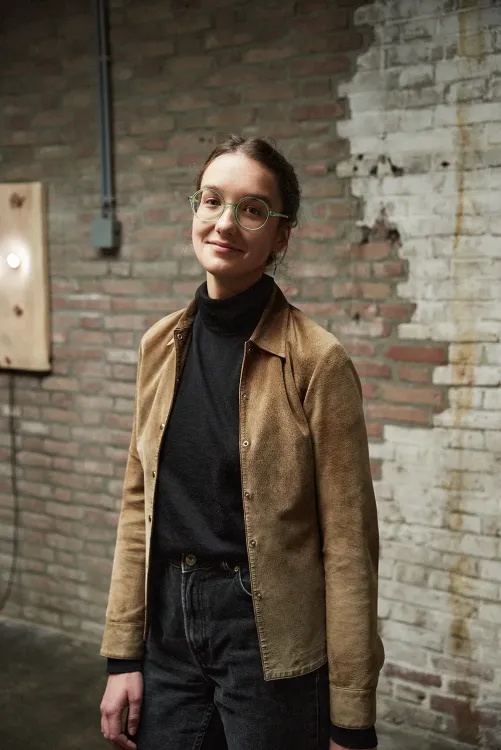
Pauline Agustoni is a Swiss designer based in Berlin. Since graduating from the Design Academy Eindhoven in the Netherlands, she has been working independently at the intersection of art and design. Her work abstracts and reveals the poetry embedded in manufacturing gestures and techniques, translating them into artistic expressions. Deeply process-oriented, her practice is rooted in hands-on experimentation and contextual research.
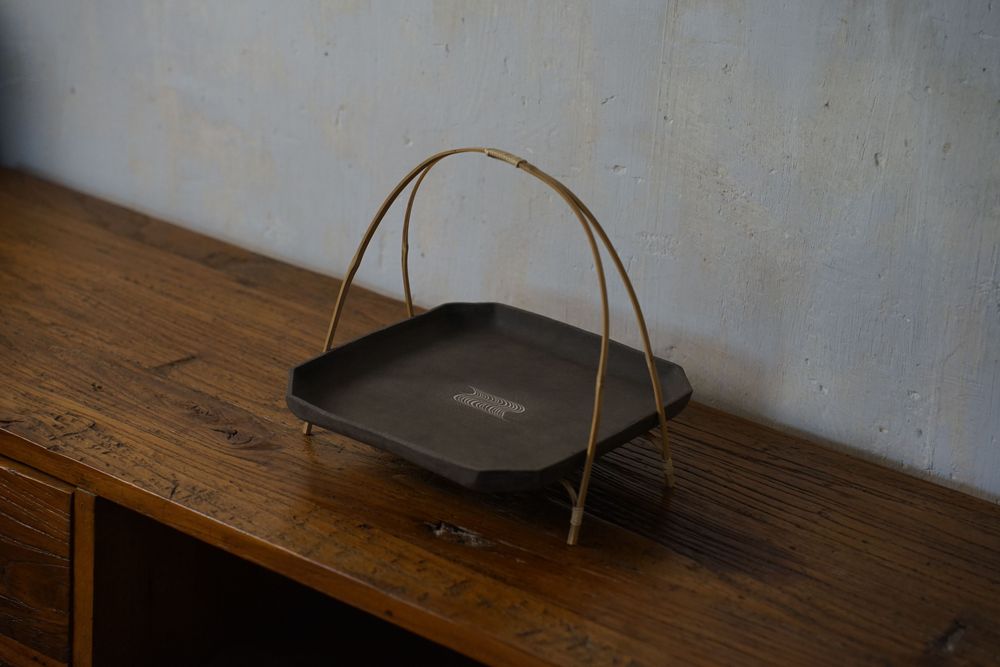
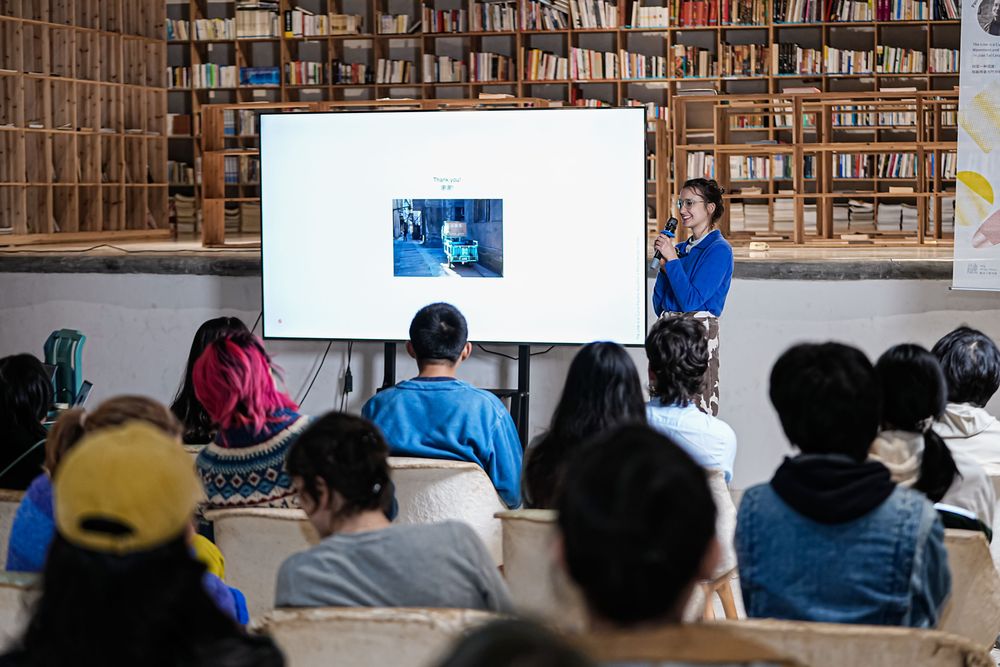
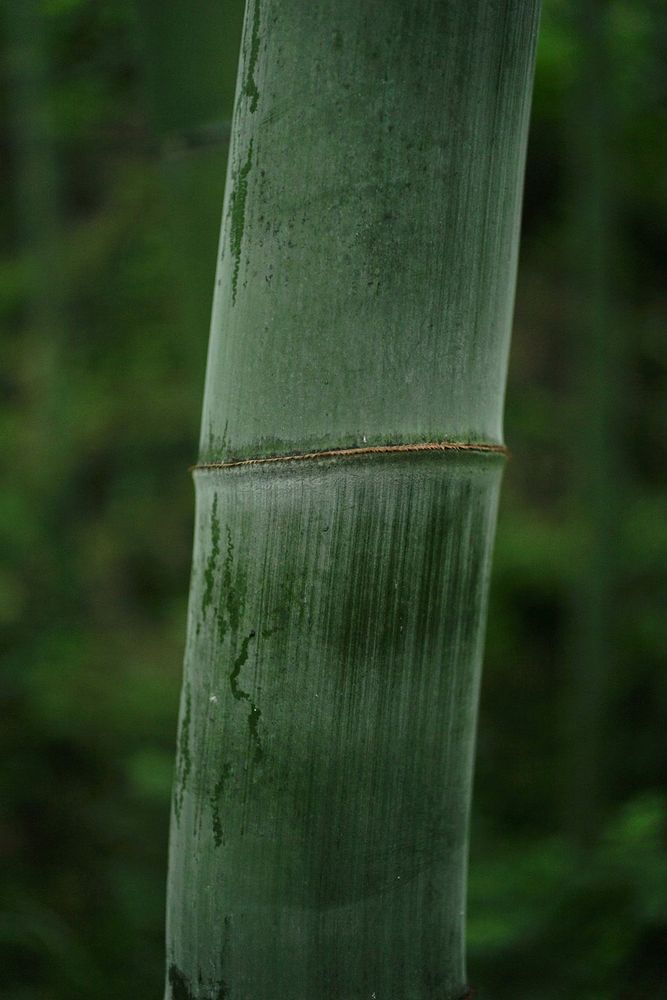
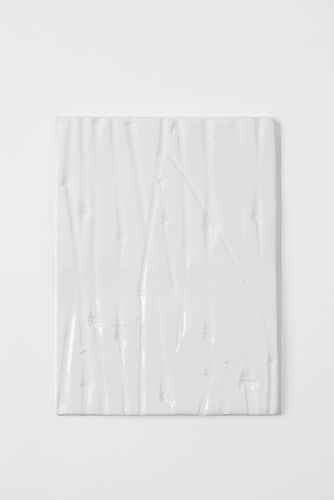
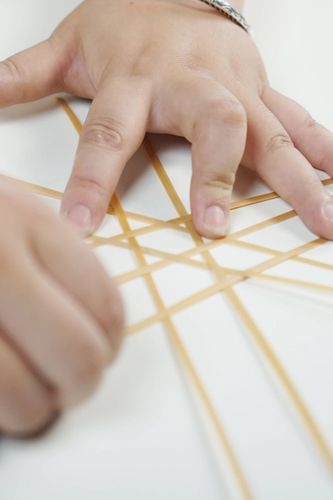
During her residency at Rong Design Library, Pauline focused on the themes of movement, tension, and balance through the interaction of clay and bamboo. During her first visit, she was deeply inspired by the Jiao Tai (twisted clay) samples that deconstructed the craft step by step. Fascinated by how the artisan’s gestures give birth to patterns, she decided to explore and abstract these movements into a piece that challenges the limits of the Jiao Tai technique. Seeing the diversity of bamboo craftsmanship represented in the library also inspired her to integrate bamboo into her ceramic research.
The Line is a Curve
Movement and Tension in Jiao Tai Ceramics and Bamboo
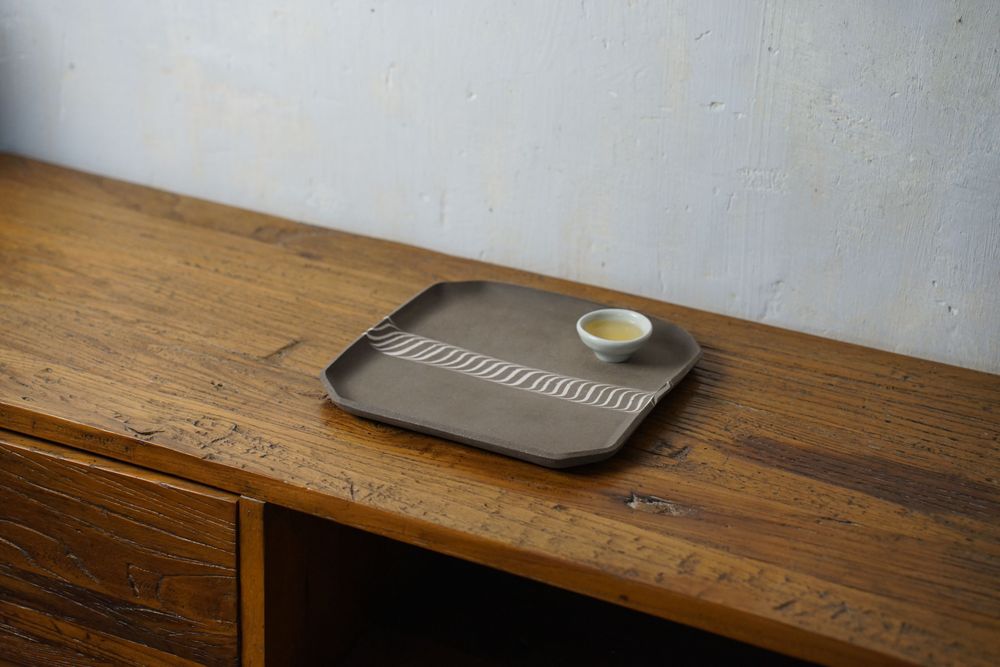
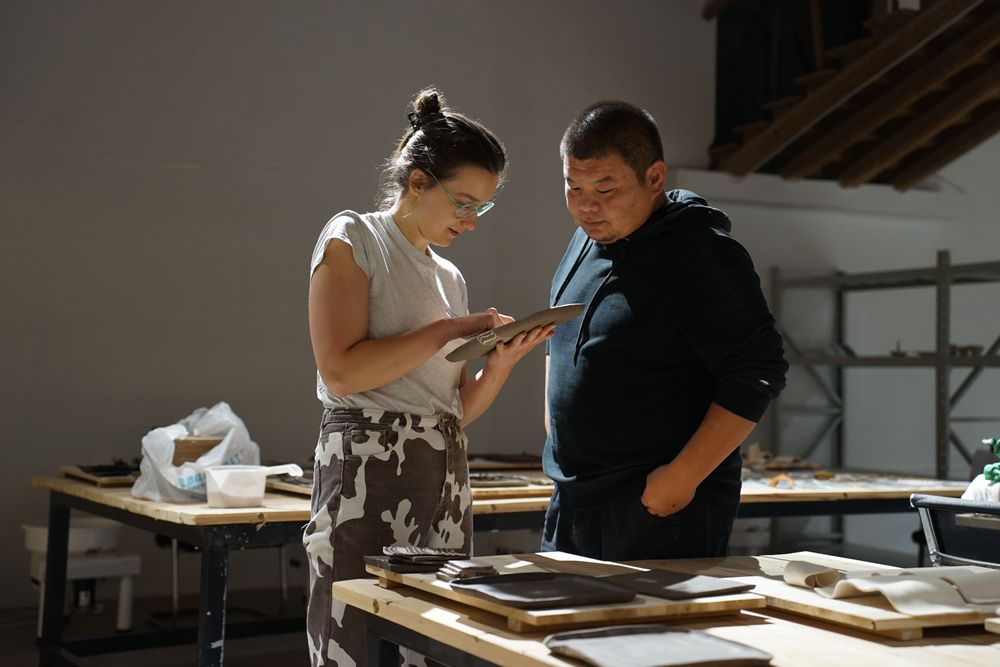
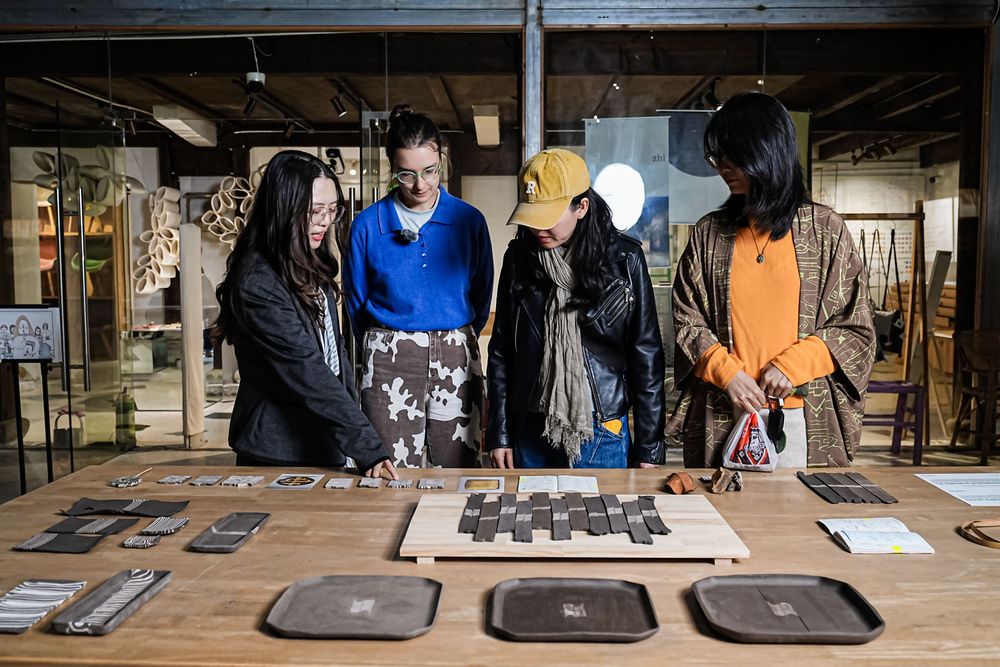
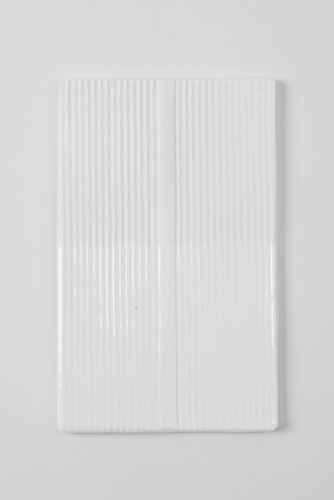
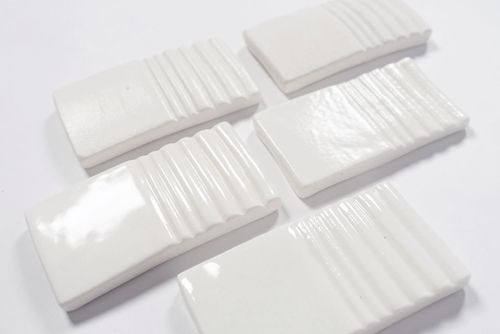
Traditionally, Jiao Tai patterns cover the entire surface of a ceramic piece, their repeated gestures creating rhythm like musical composition. Pauline chose instead to isolate a single movement—placing it at the center of a ceramic tray—to focus on the rhythm and abstraction of one specific gesture. Collaborating with Jiao Tai artisan Zhu Chen in Jingdezhen, she developed experimental pieces exploring the relationship between pattern, movement, and tension.
「On the Jiao Tai process」
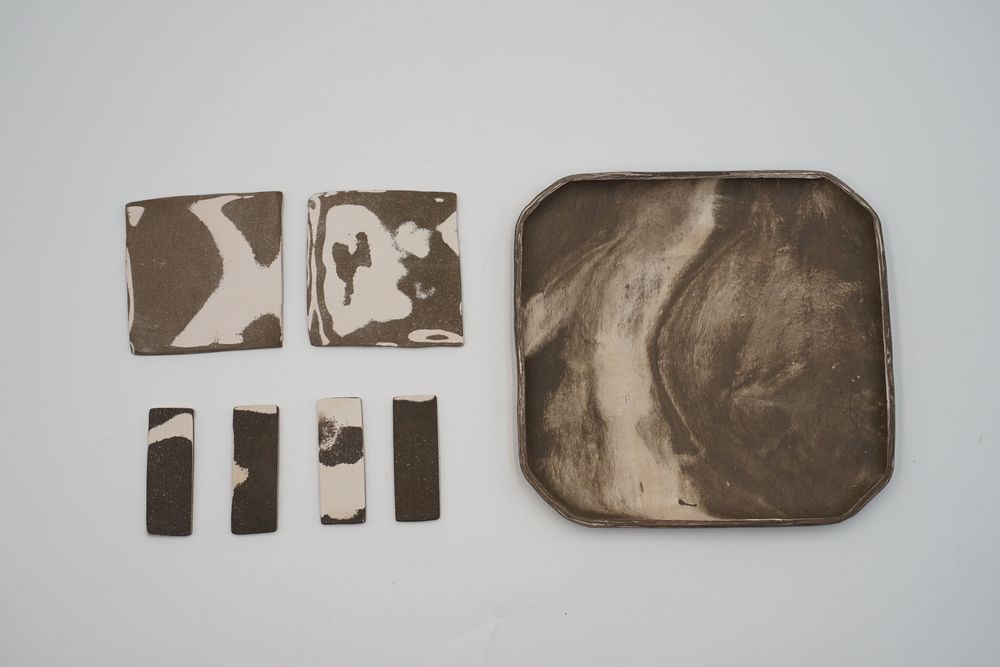
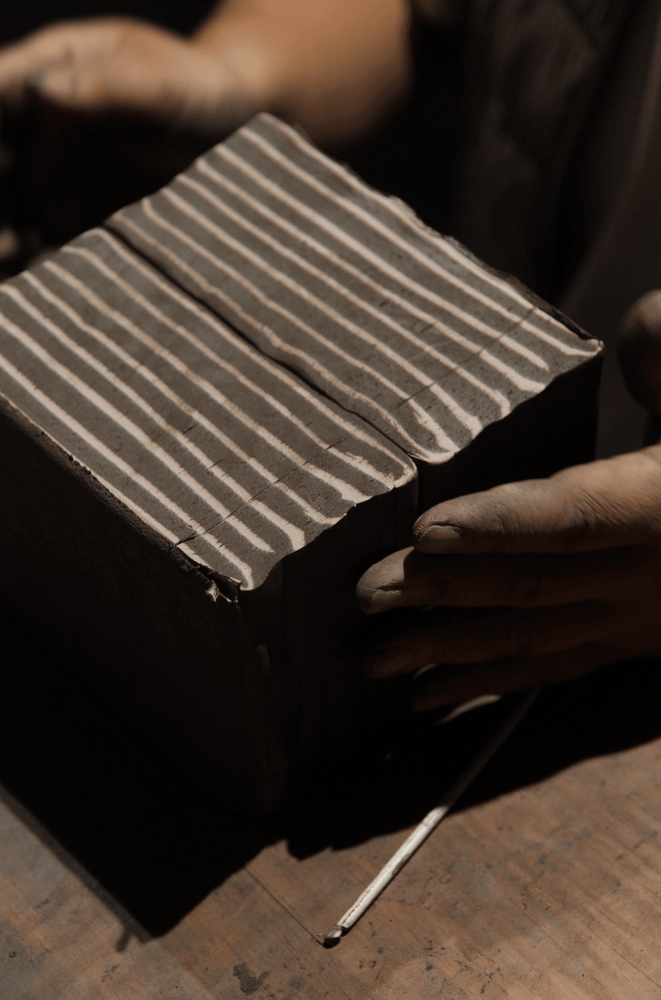
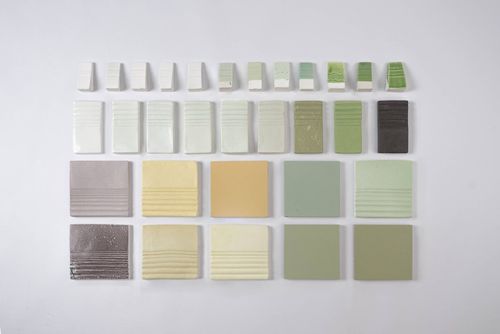
The results of jiao tai are beautiful patterned objects, in which the motif is created by pressing layers of coloured clay with each other, rather than creating a pattern by painting or glazing the piece afterwards. In this sense, the technique is more simple when it comes to used materials, yet much more complicated when it comes to processes. The technique involves a lot of preparatory steps like layering different clays, pressing, cutting and reassembling, then creating the pattern by brushing the fingers on the block of clay, cutting sheets of the composition and shaping the piece.
During the process, Pauline was especially inspired by the moment of brushing the pattern. Struck by the poetry of a movement directly translating into a pattern, she wanted to work on expressing this moment with her research.
She worked on abstracting several patterns. Because of the presence of only one pattern, tension was unequally distributed throughout the piece, making it a challenging idea to develop. Various methods of polishing and pressing the clay were developed together with Zhu Chen during the research. Working with Zisha clay also opened up more possibilities: more stable and containing grog, the clay allows for more pattern freedom. It is also single fired at a lower temperature, making it a more sustainable alternative to high fired porcelain for example.