Materials of Identity
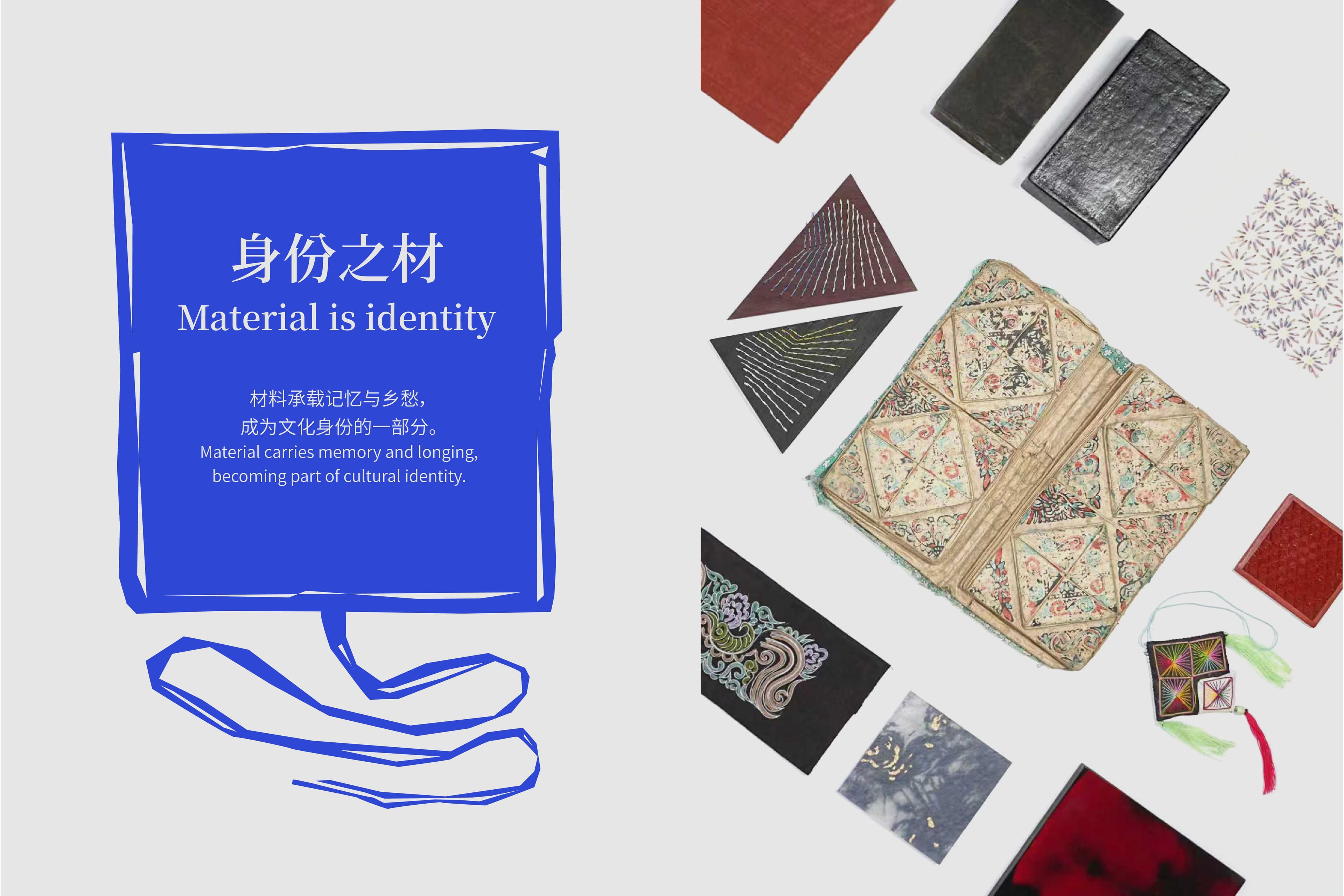
Over time, through use and memory, materials become part of cultural identity.
Across regions and traditions, certain materials carry deep emotional resonance.
Xuan paper, lacquer, and embroidery—defined by refined craftsmanship—embody a distinctly Chinese sensibility.
Within their precision, traces of the handmade remain, turning packaging into a tactile carrier of warmth and memory.
Material is not only substance, but a vessel of memory and longing.
Related Materials
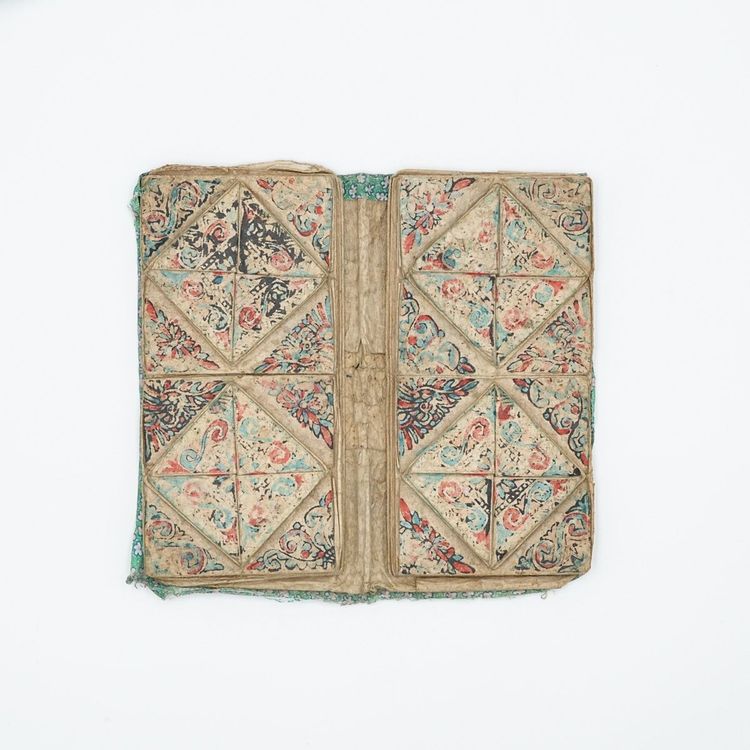
Dong ethnic needlework bag
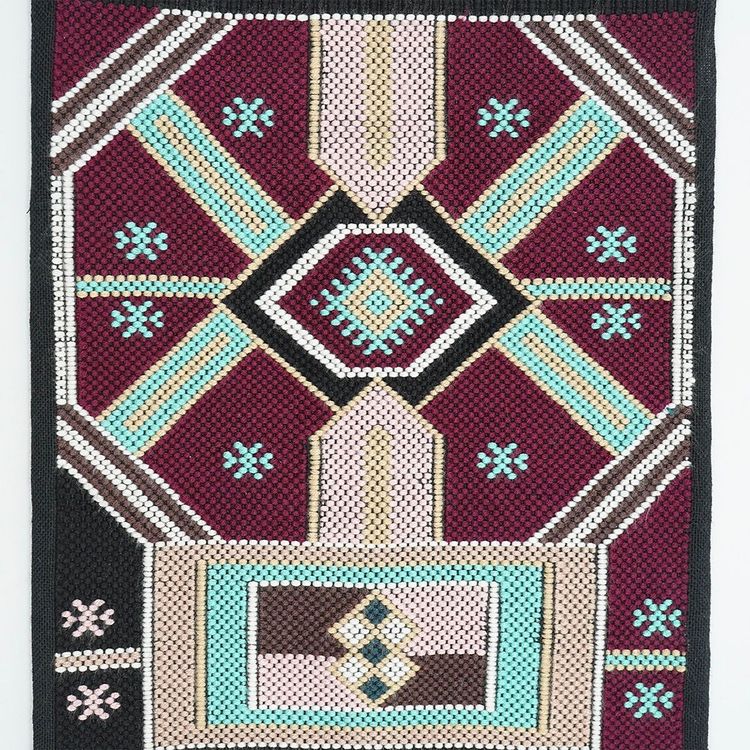
Tujia ethnic brocade
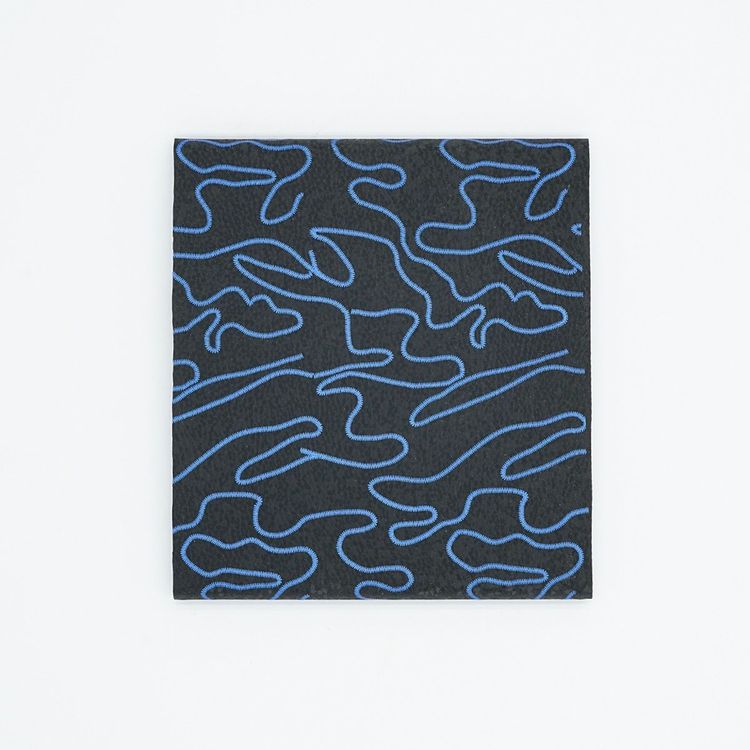
Flocked Embroidery Cloud
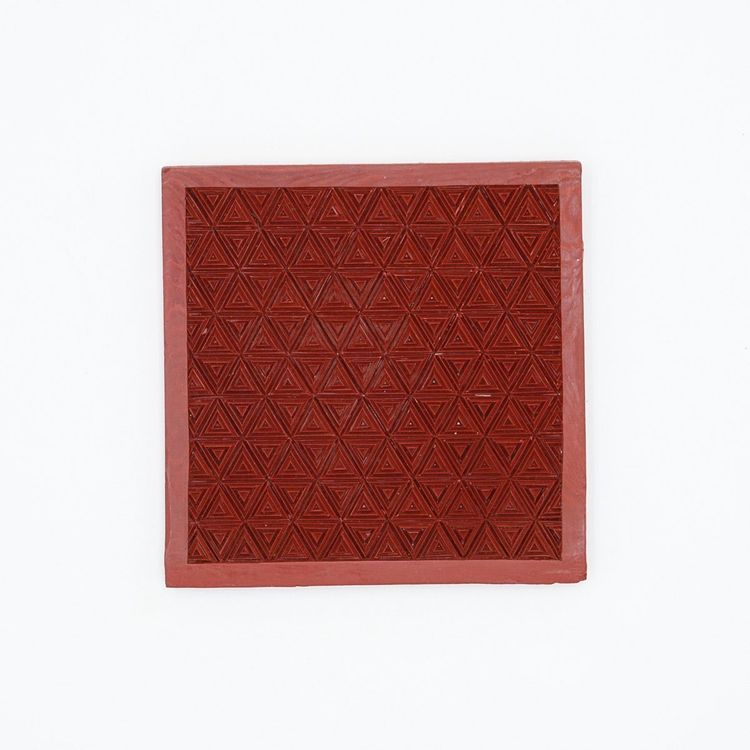
Carved Lacquer-Triangle Ring Brocade Pattern
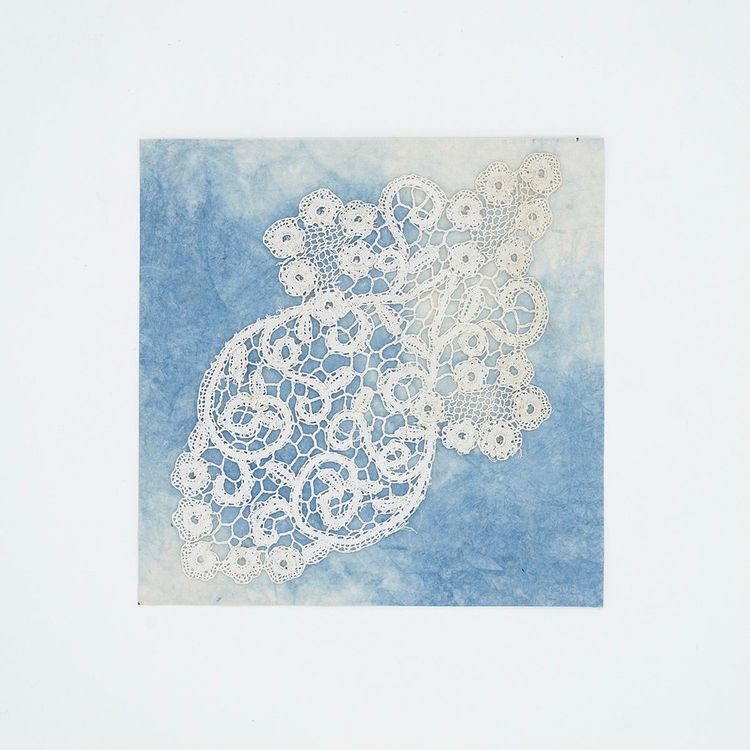
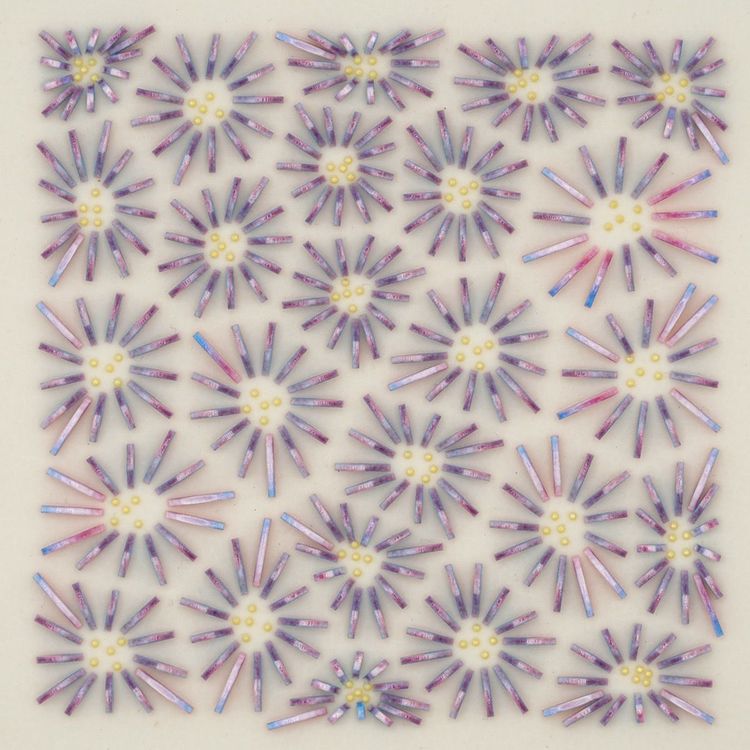
Xiaoshan Lace
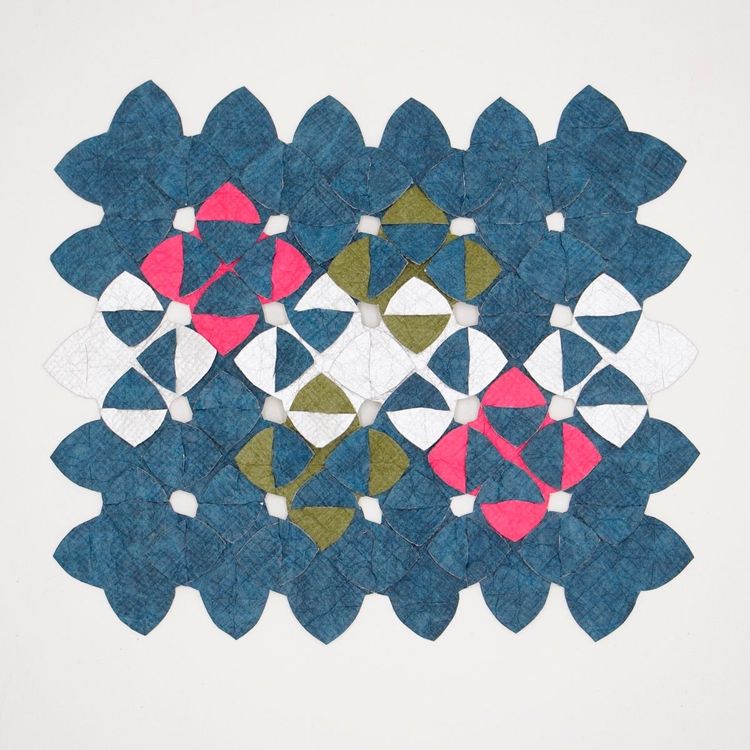
Memory Woven in Blue & Silver
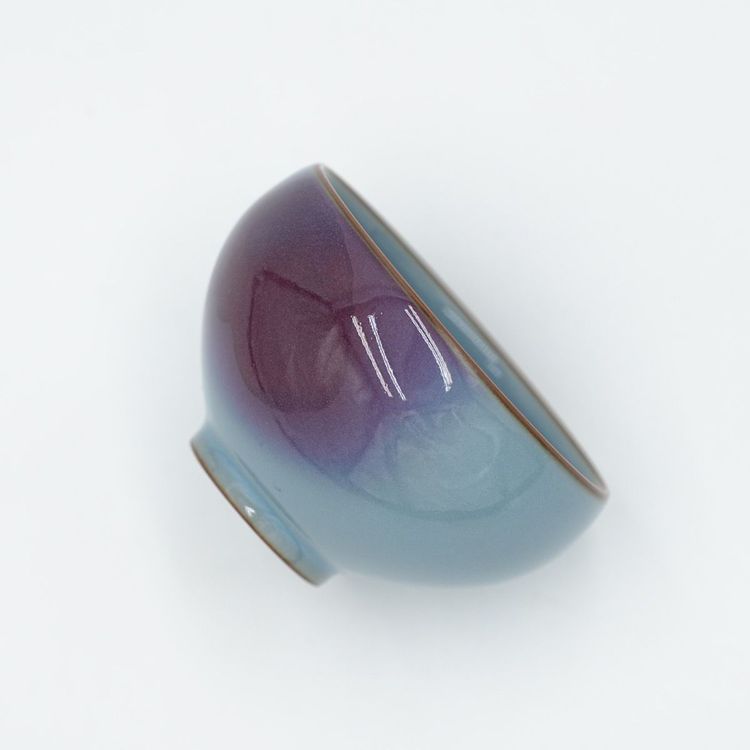
Jun porcelain
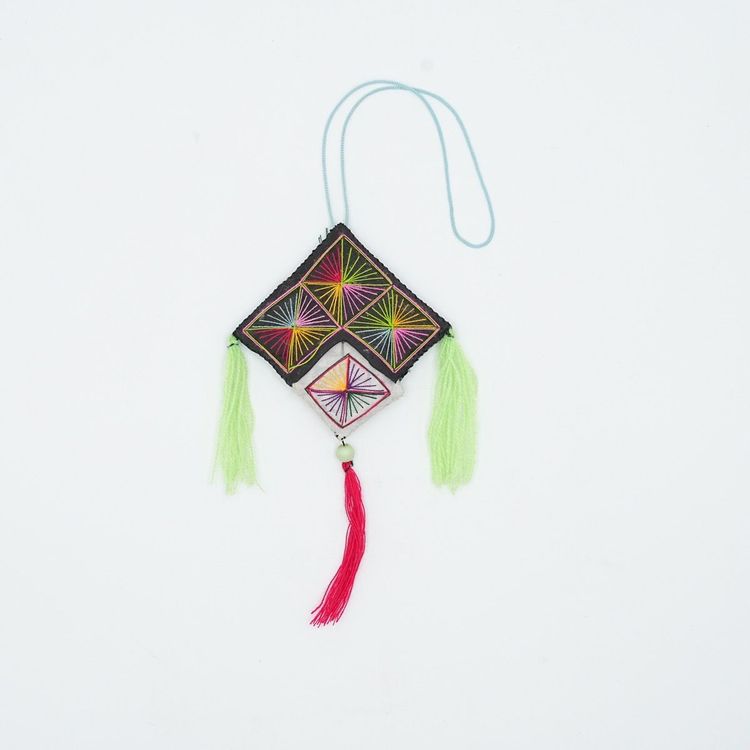
Embroidery needle insertion
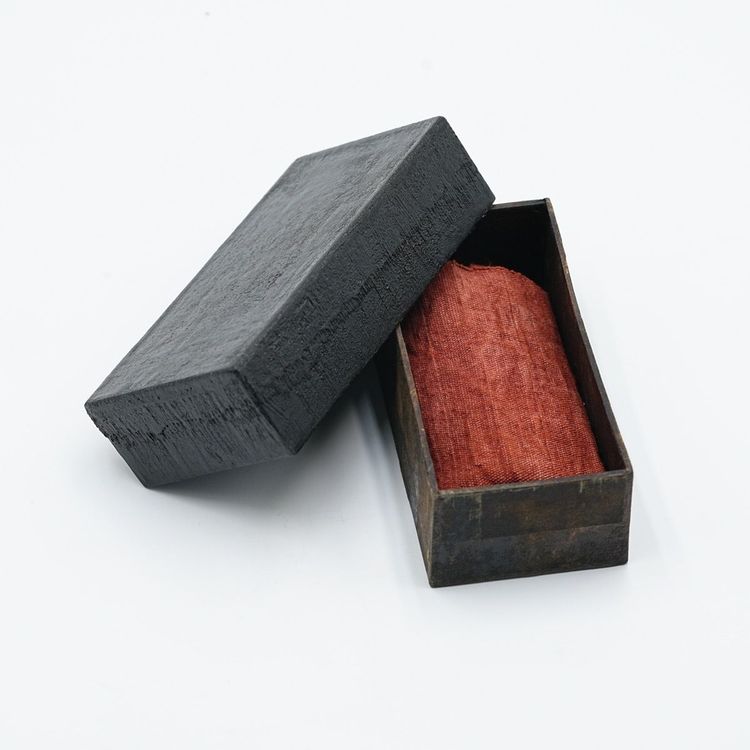
Paper-based Lacquer Box
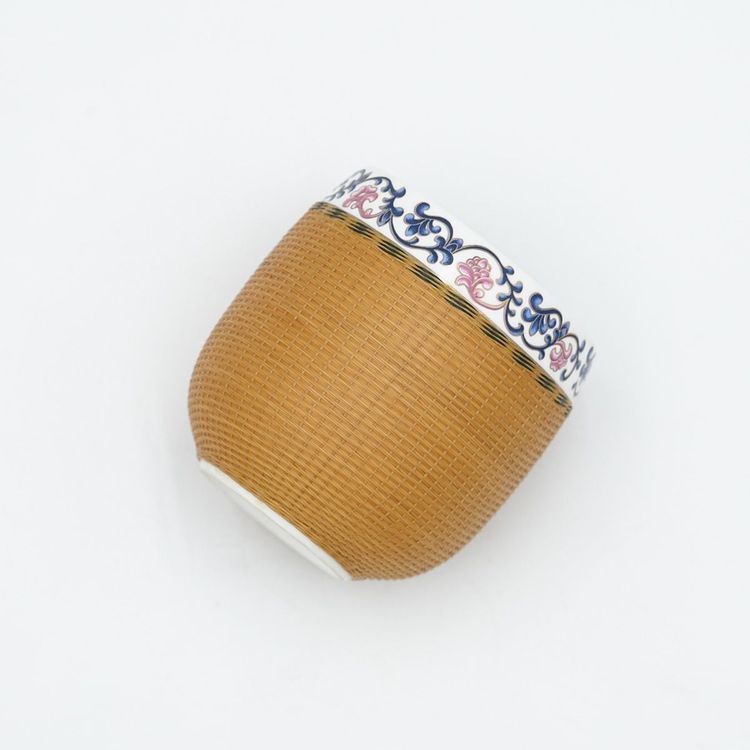
Porcelain body bamboo weaving
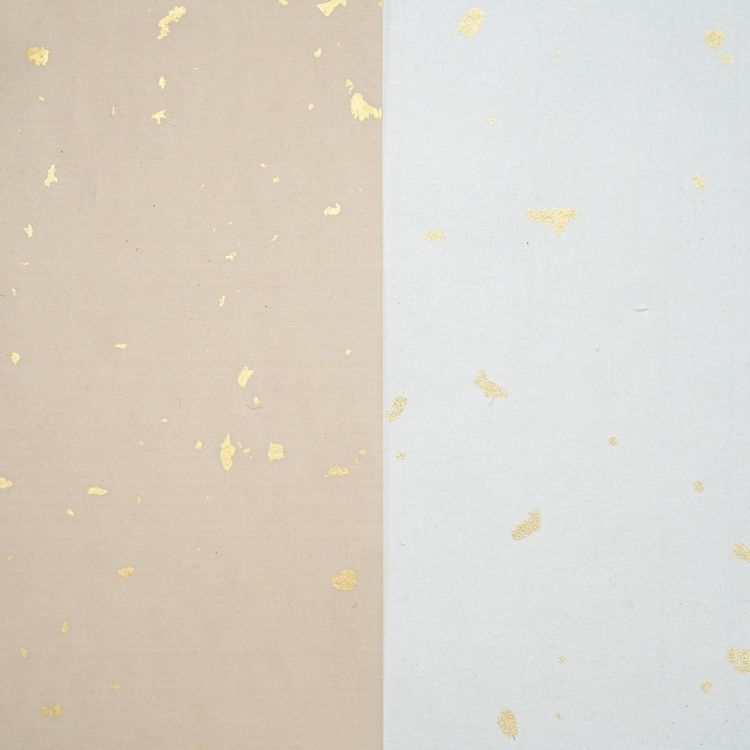
Sprinkle Gold Rice Paper
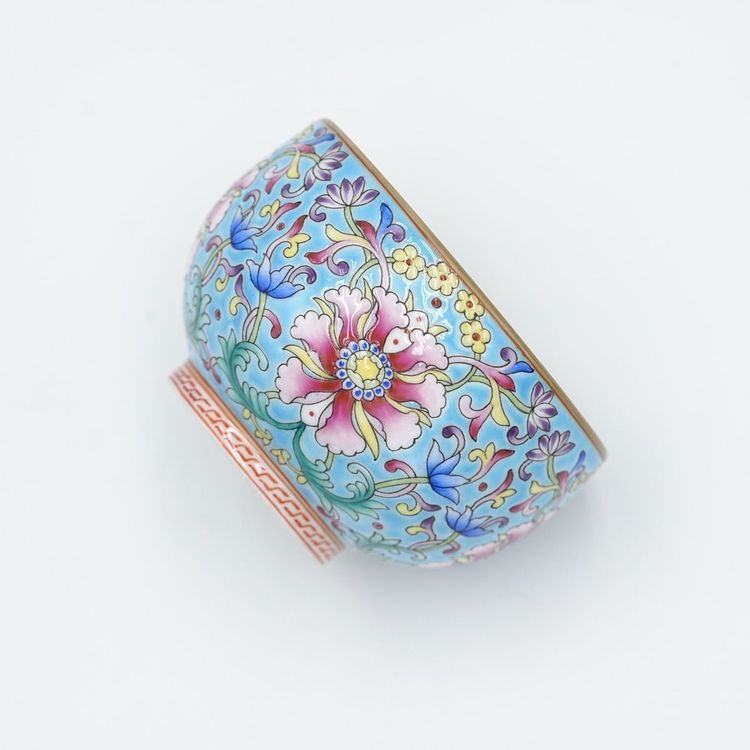
Famille Rose Porcelain
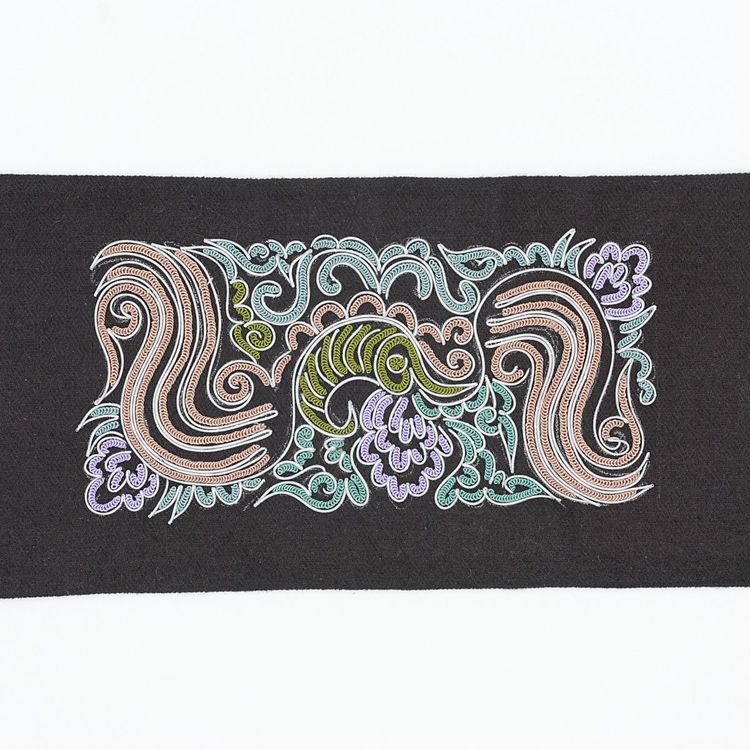
Shui Ethnic Horsehair Embroidery
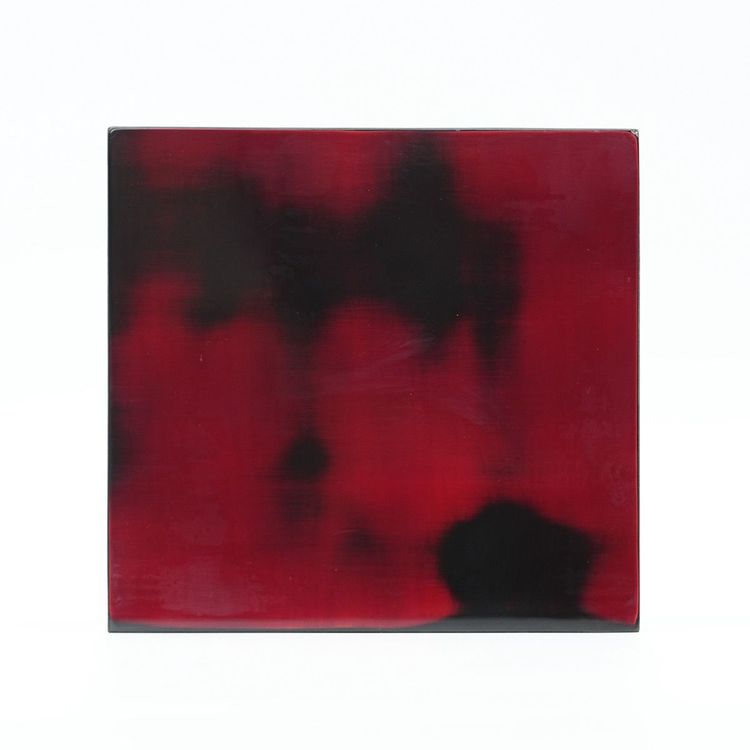
Red-black Lacquer Variation
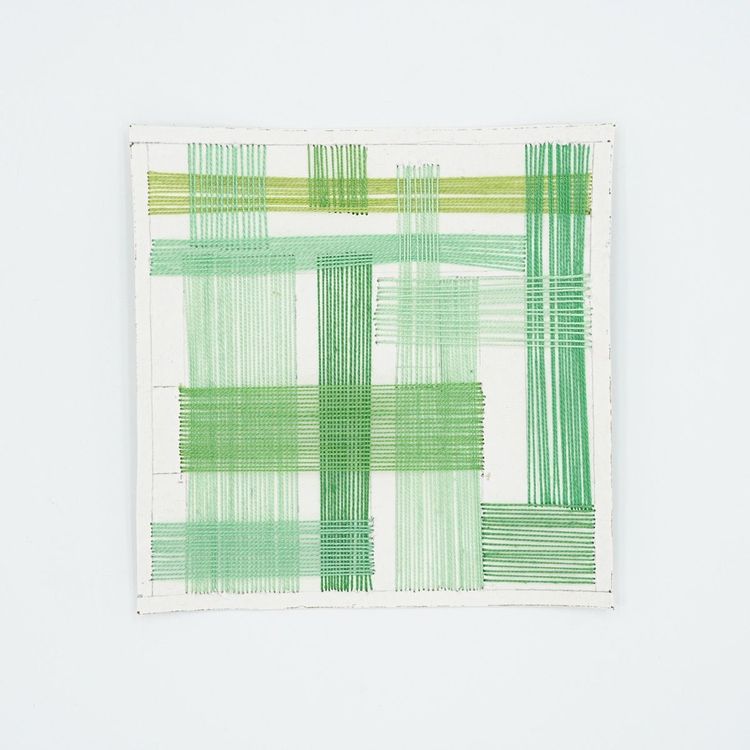
Pulp Embroidery
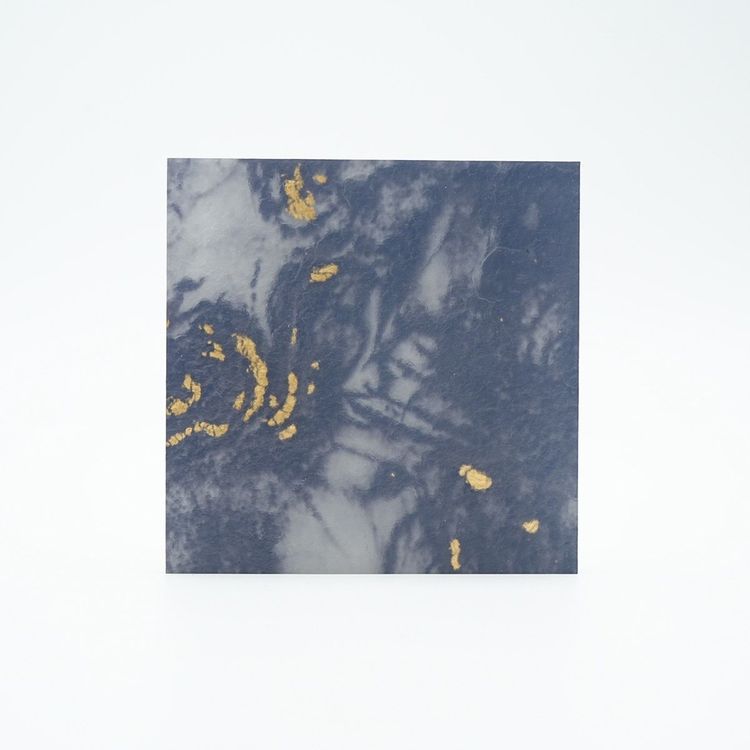
Mars Stone Pattern Gold Foil Image Shadow
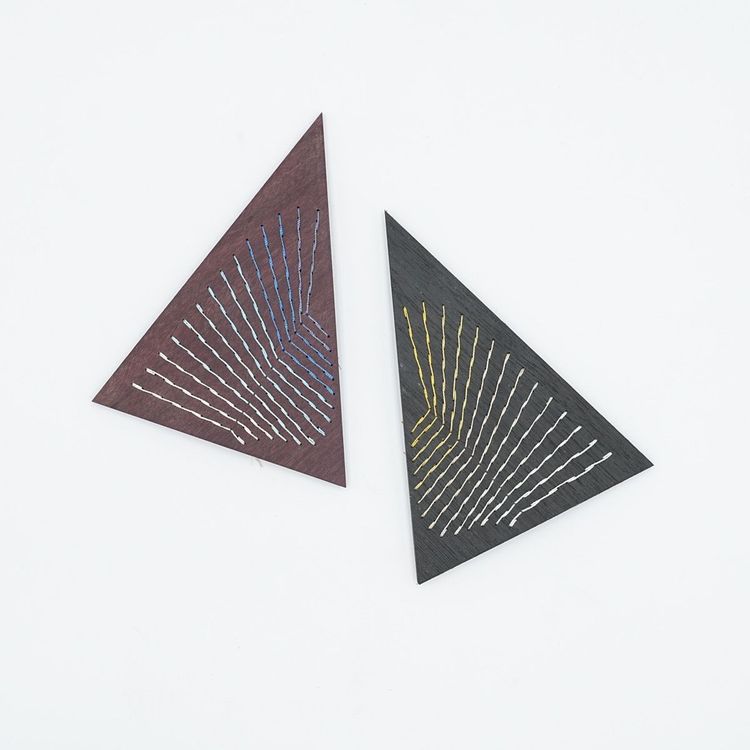
Wood Embroidery
Design Works
Things That Move
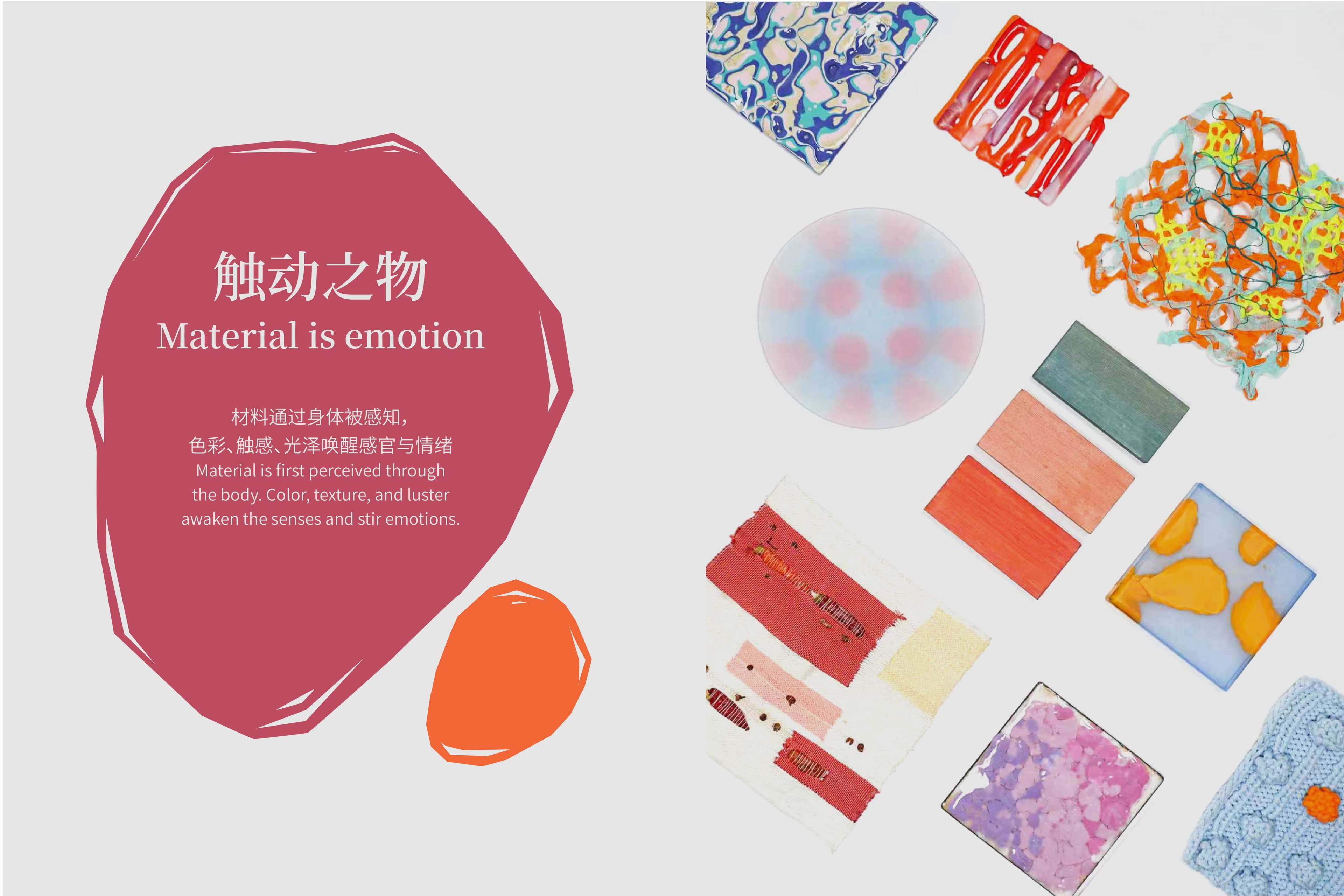
Color, luster, and tactility form the most immediate entry into material.
Transparency and translucency—seen in glass and acrylic—open a field between the visible and the unknown, while varied surfaces and touch draw the body into perception.
Material is no longer something to be observed, but a trigger for sensory and emotional response — where emotion arises through contact, and unfolds between experience and imagination.
Related Materials
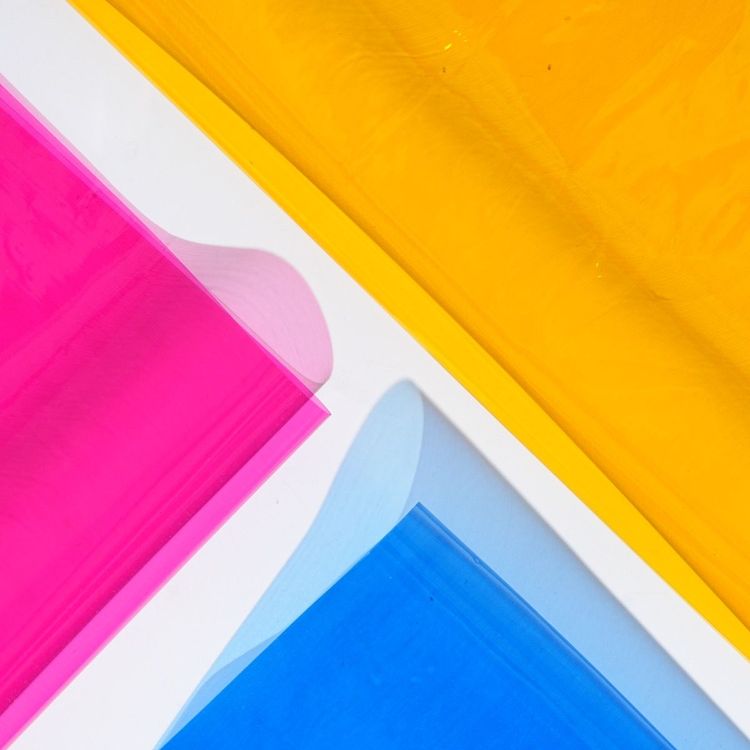
Regenerated Cellulose Film
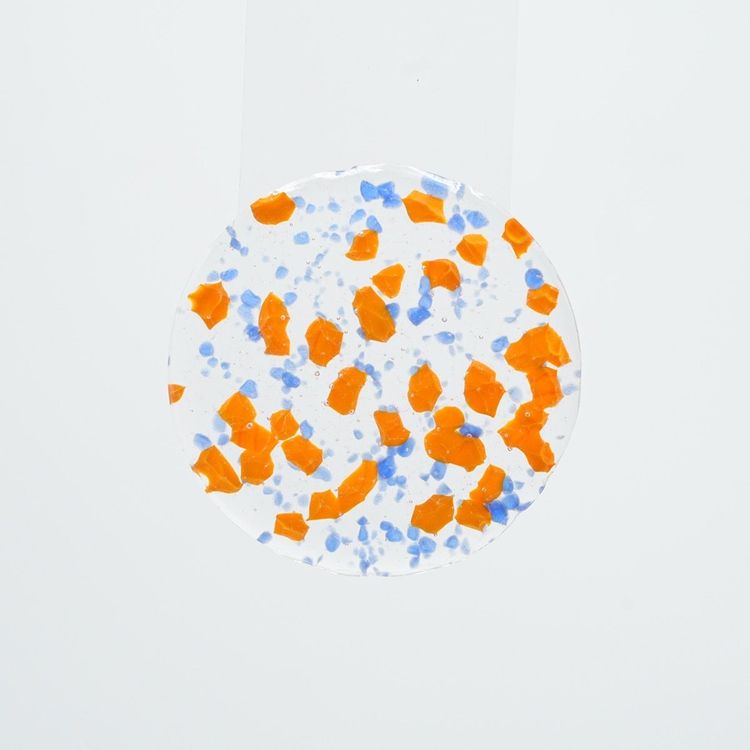
Glass Novels
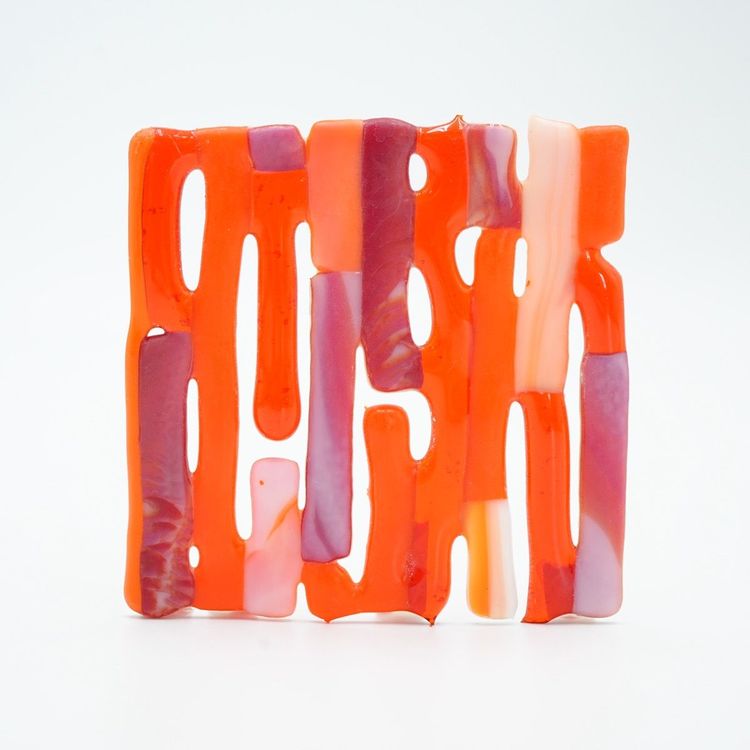
Opaque flat strip glass
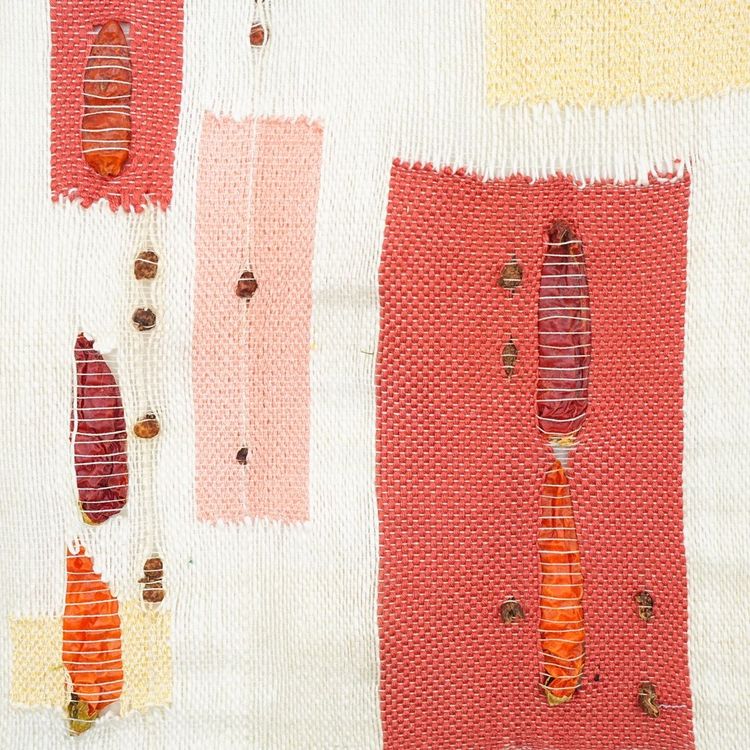
Four Seas and Five Flavors - Spicy
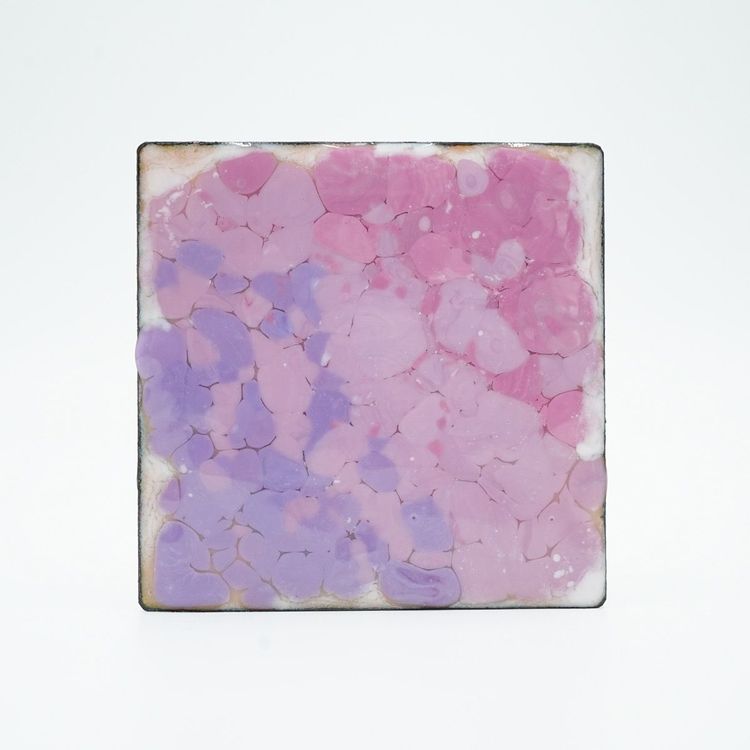
Copper Body Enamel
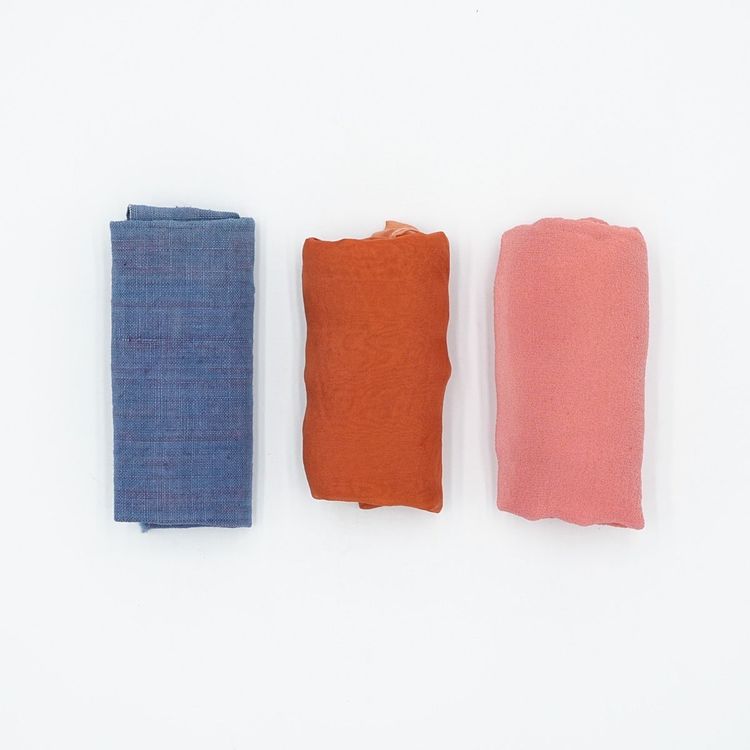
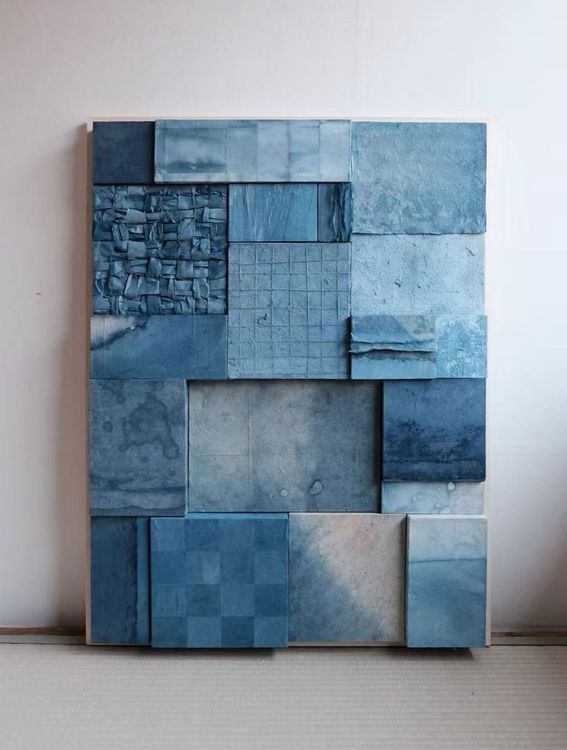
Plant Dyed Fabrics
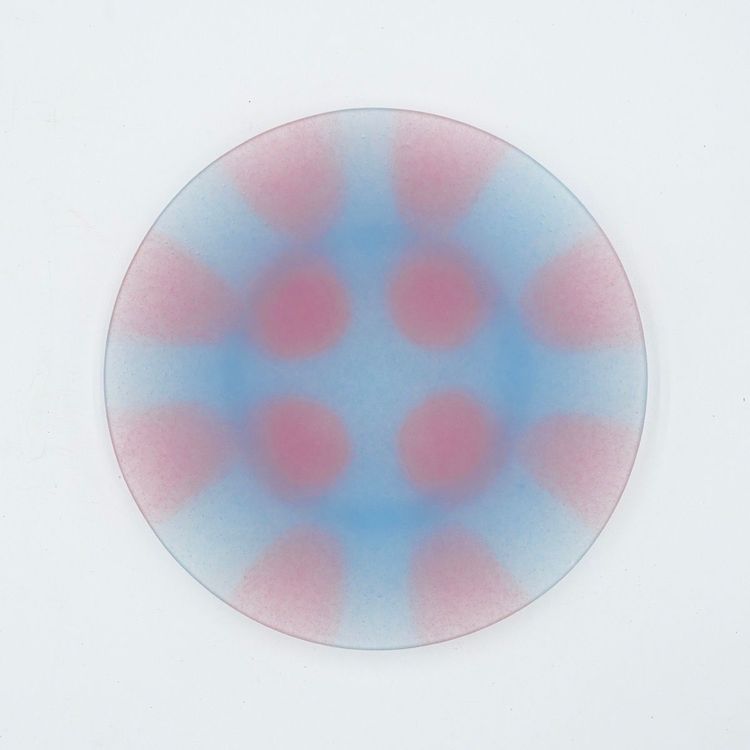
Polka-Dotted Plate
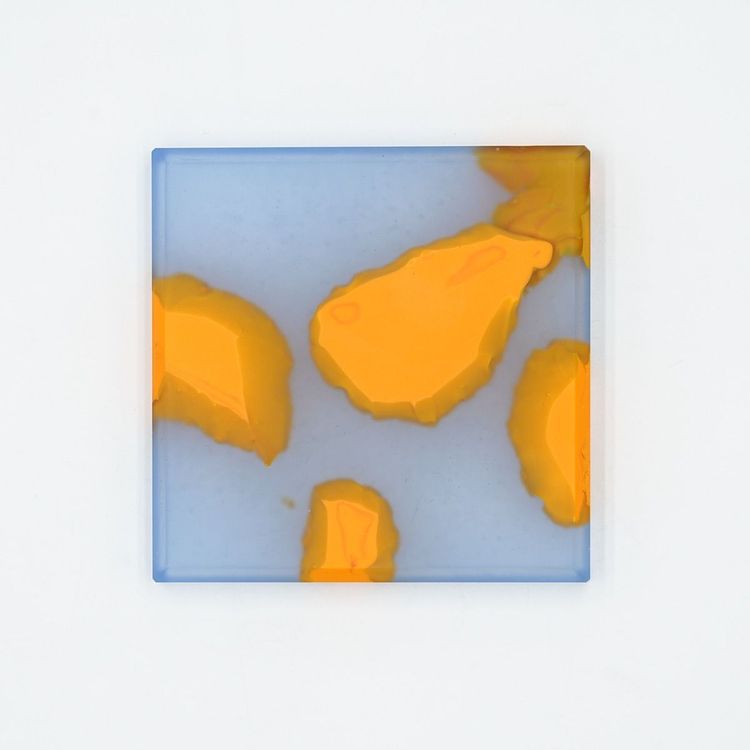
Petal Palace
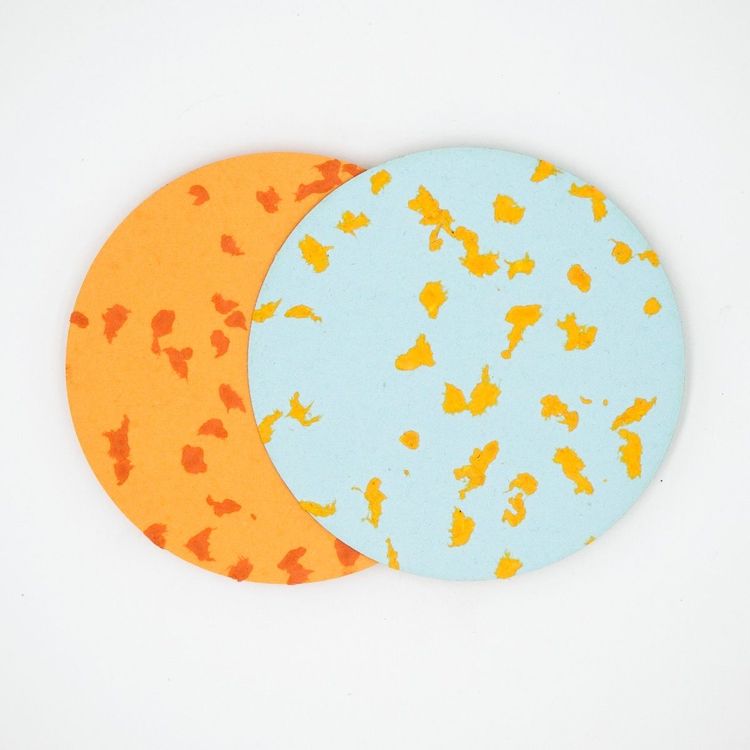
Falling Petals
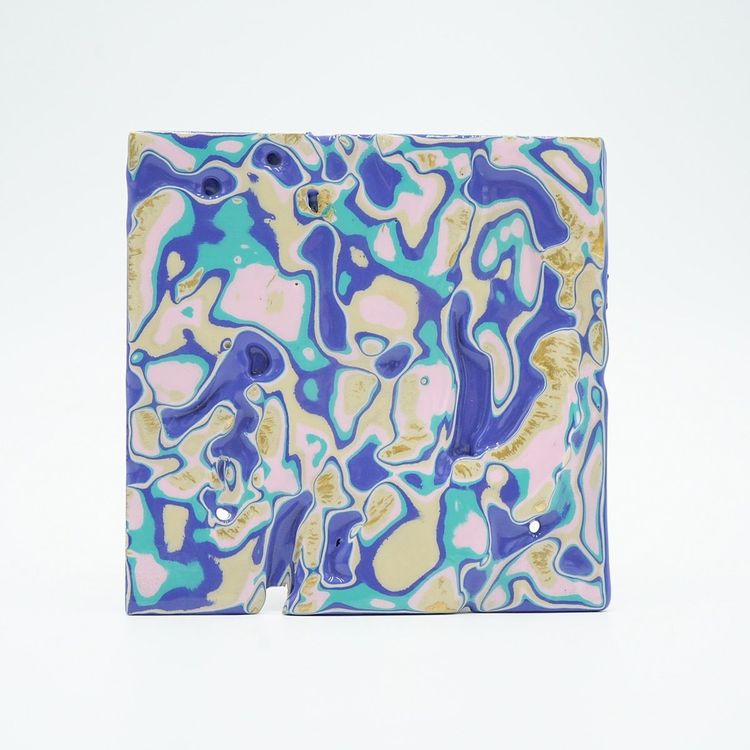
Azure Mist & Violet Rhyme: Fused Copper Art Panel
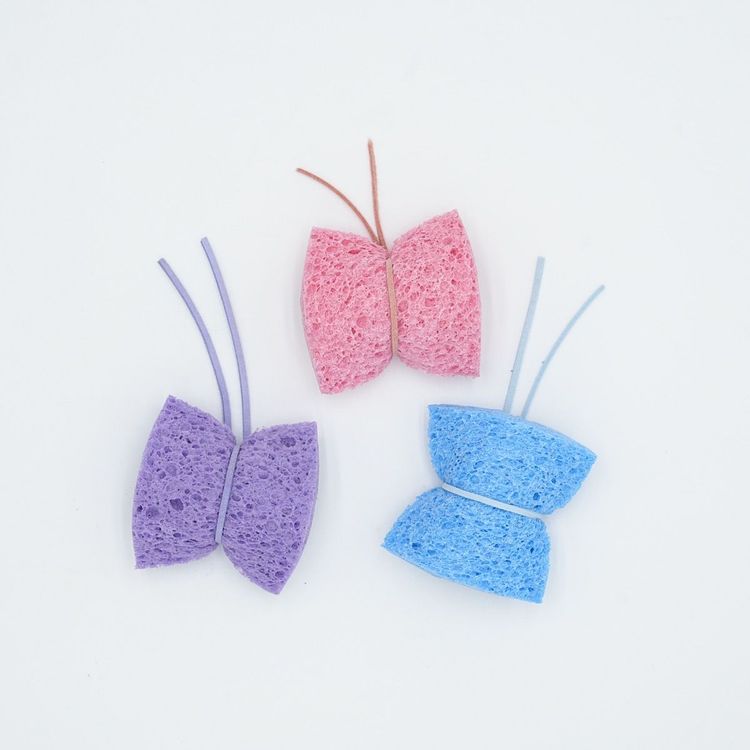
Cellulose Sponge Block
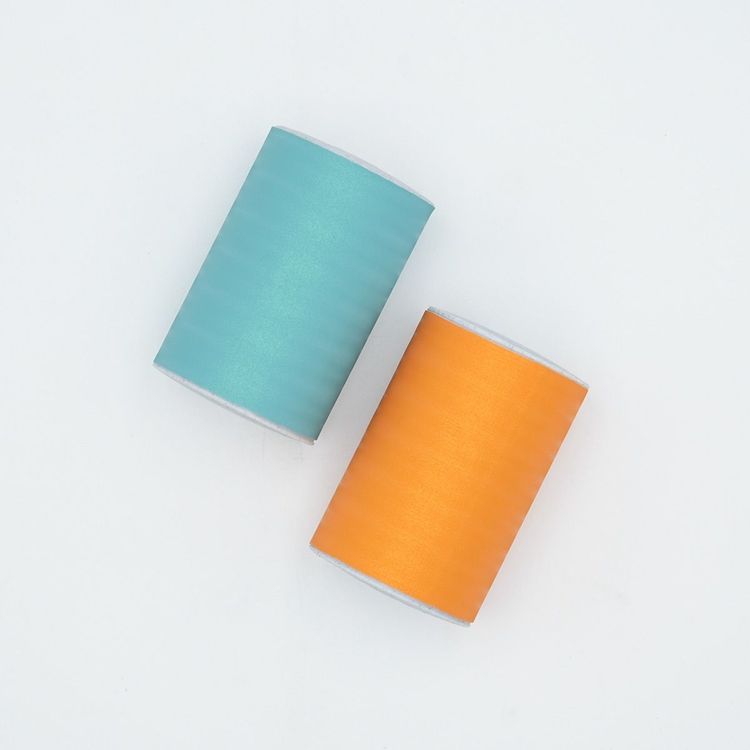
Grating Rhythm
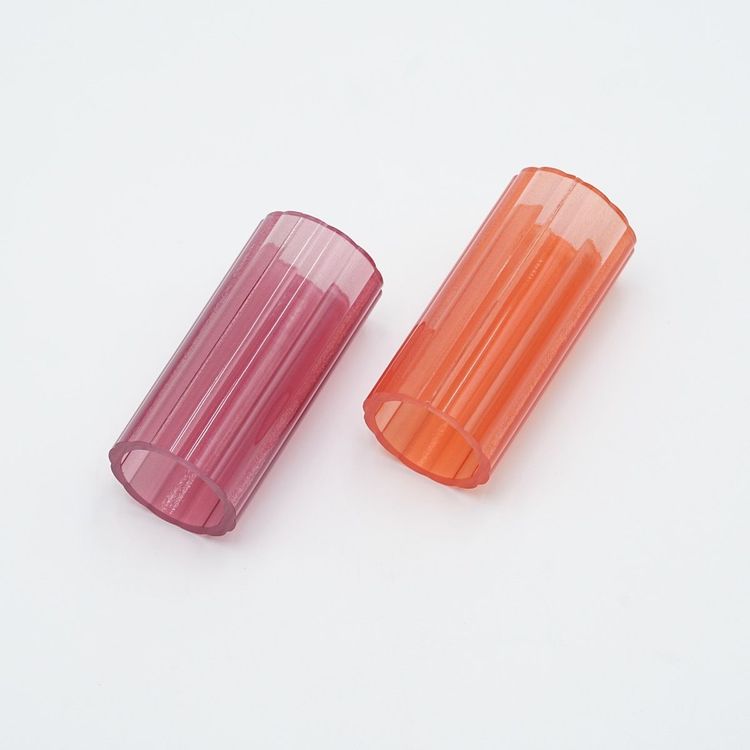
Chroma Prisms
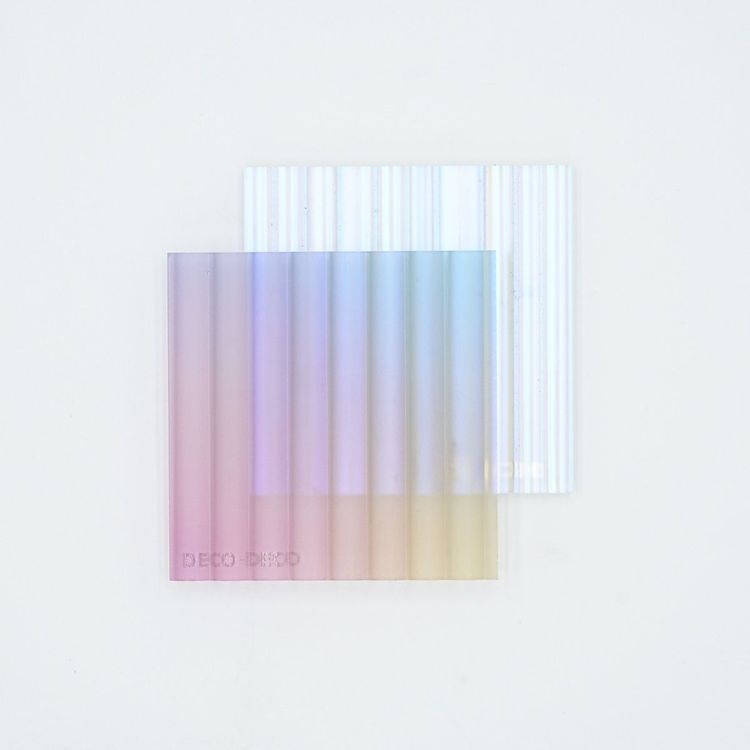
Rhythm line camouflage
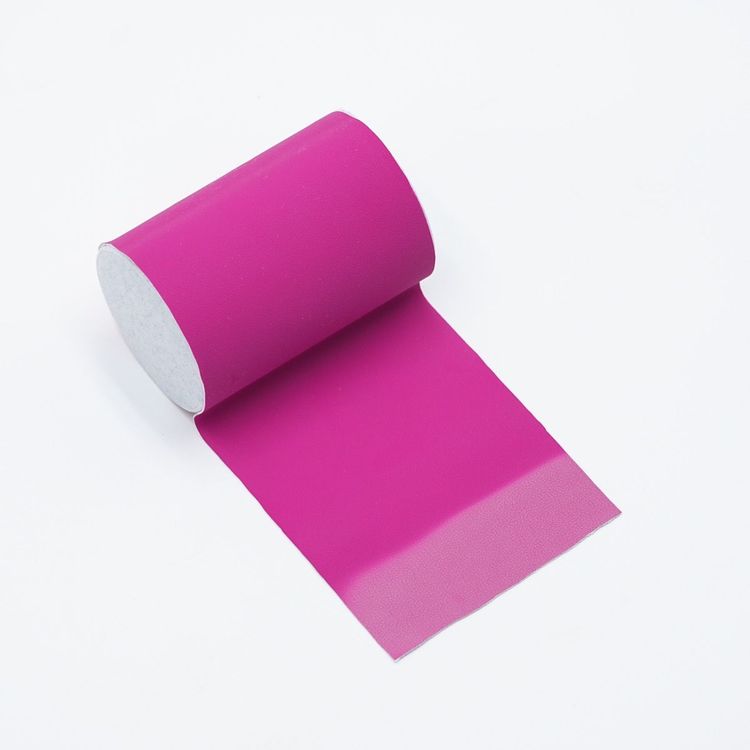
Thermochromic
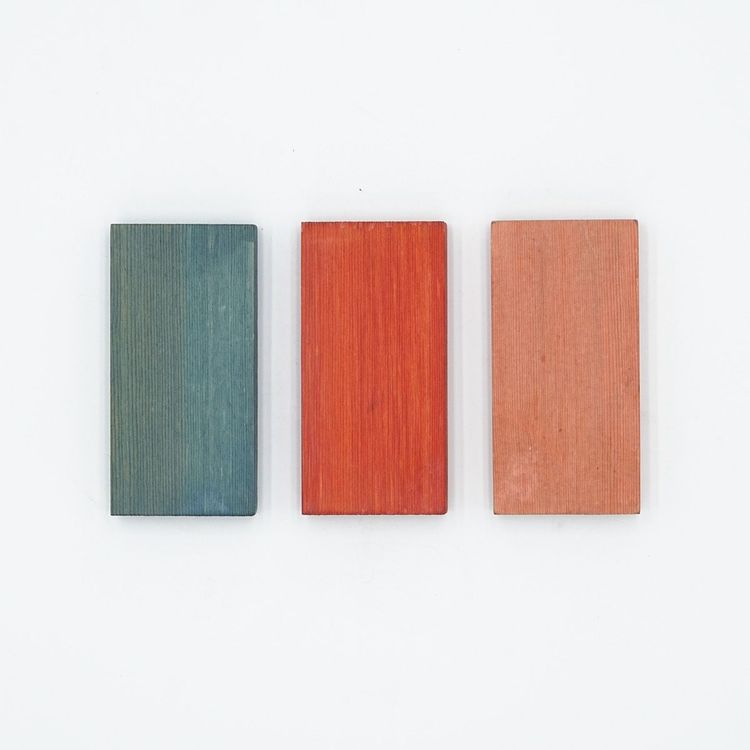
Plant Dyed Wood
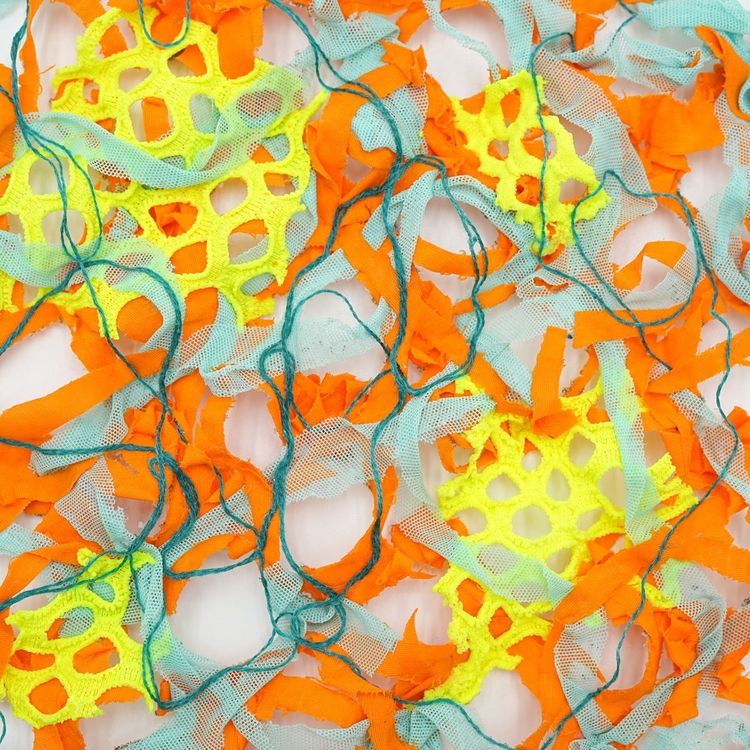
Yarn × Fabric Waste Upcycling Experiment
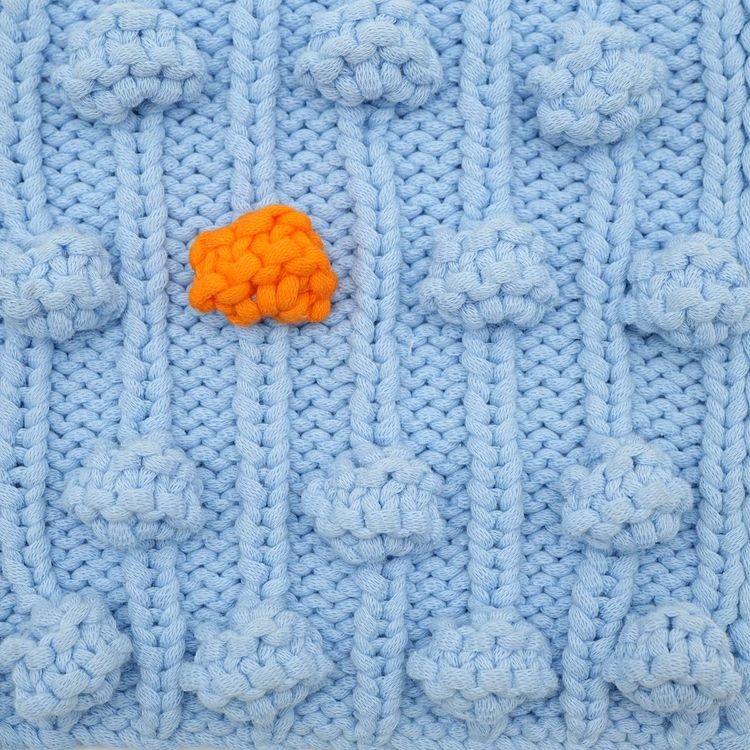
Bubble Stitch Pattern
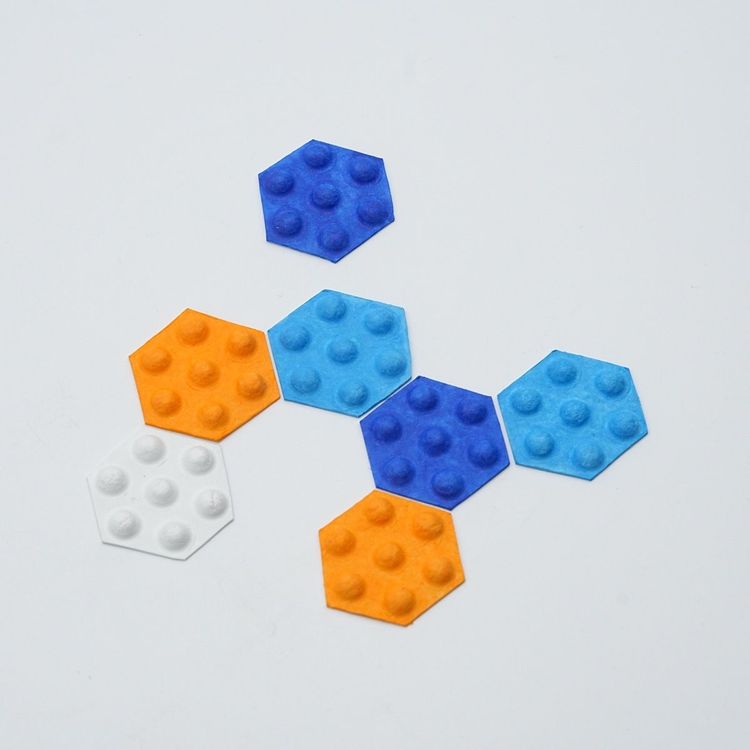
WING FAST ECO-CLOUD
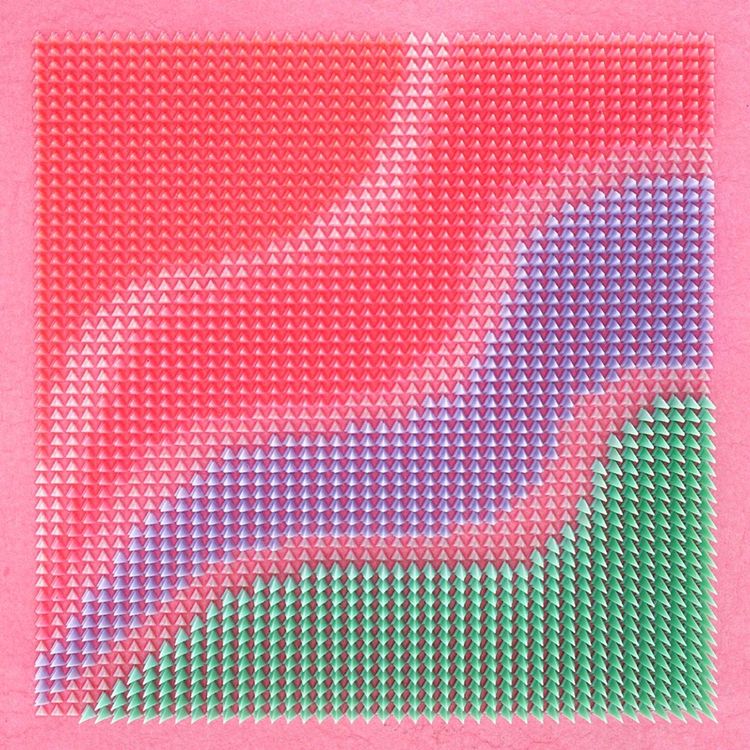
Haptic Guide
Design Works
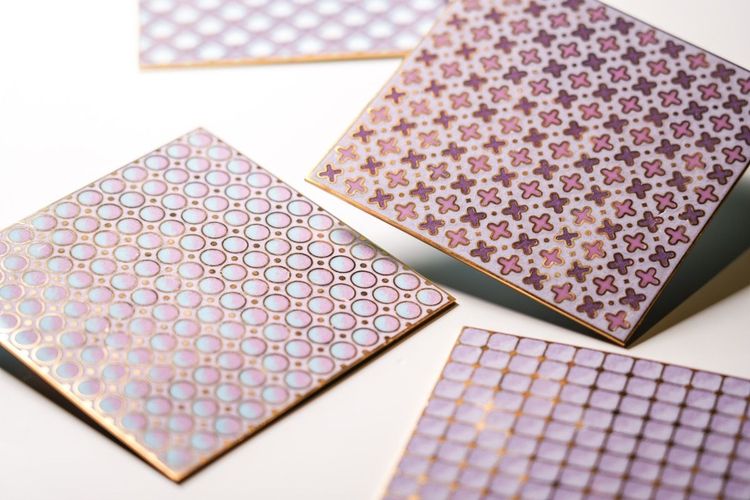
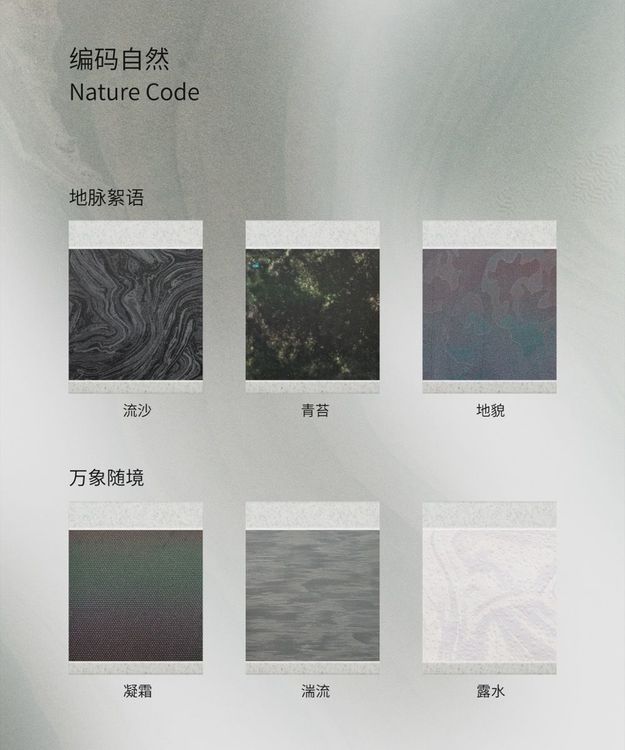
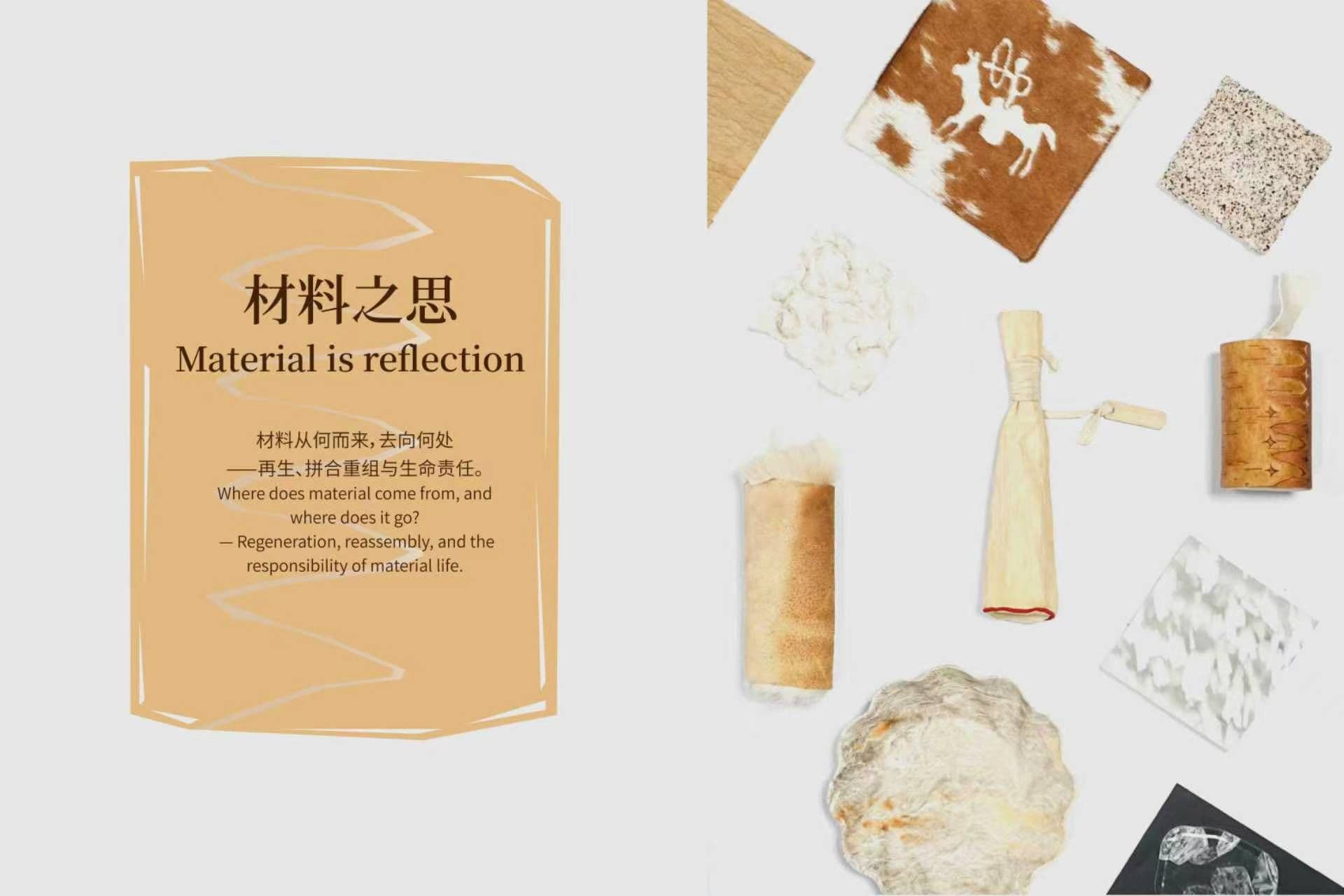
Reflections on Materials
Materials come from the earth, and return to it.
Between making and use, we reconsider our relationship with materials—where they come from, and where they go.To engage with materials is to reflect on their life cycle and the responsibilities they carry.
Materials, even after being shaped by human hands, can be broken down and reassembled into new forms. Regeneration is not recycling, but recomposition and renewal. This quiet wisdom has long existed in craft traditions— to use what is at hand, and to make full use of it.
Related Materials
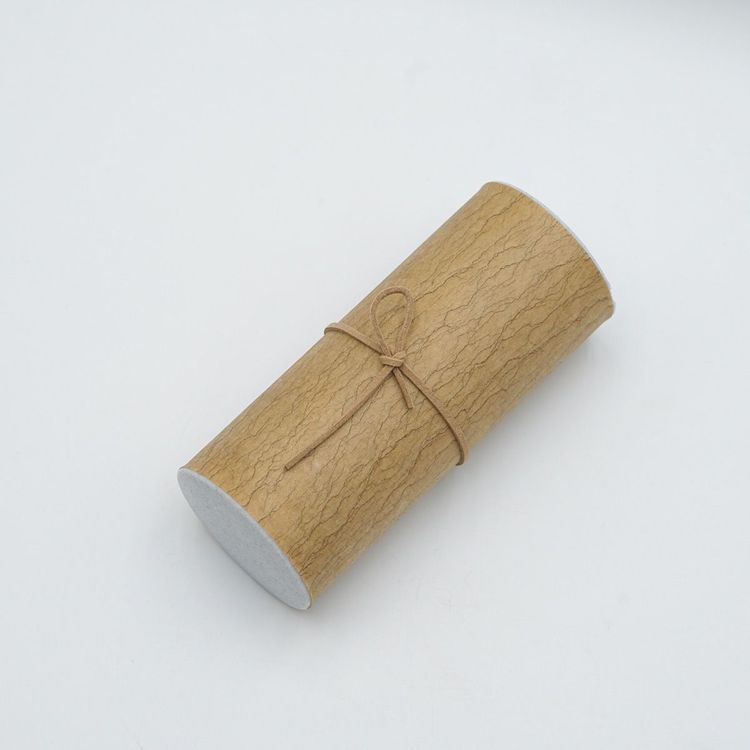
Xuan Paper Silicone Leather
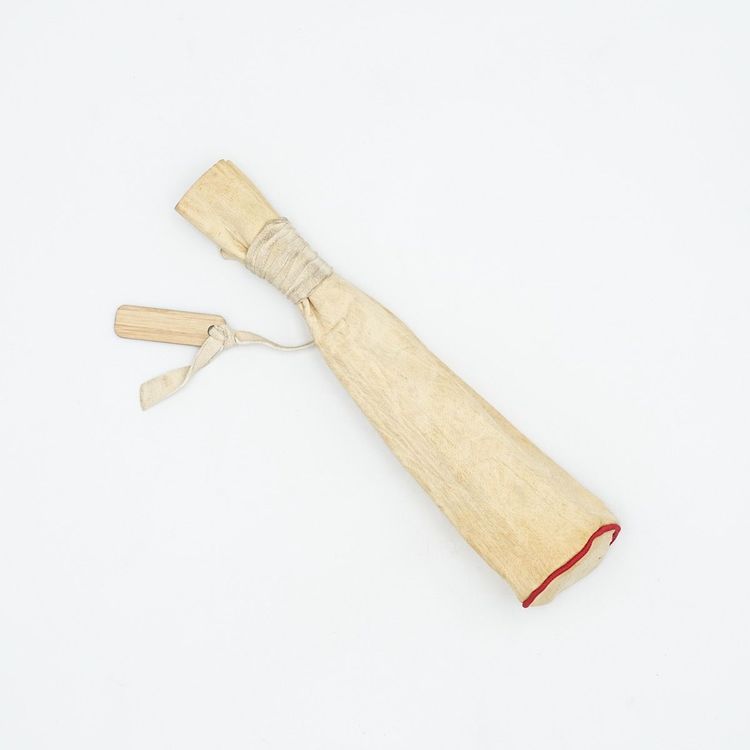
Smoked Sheepskin Bag
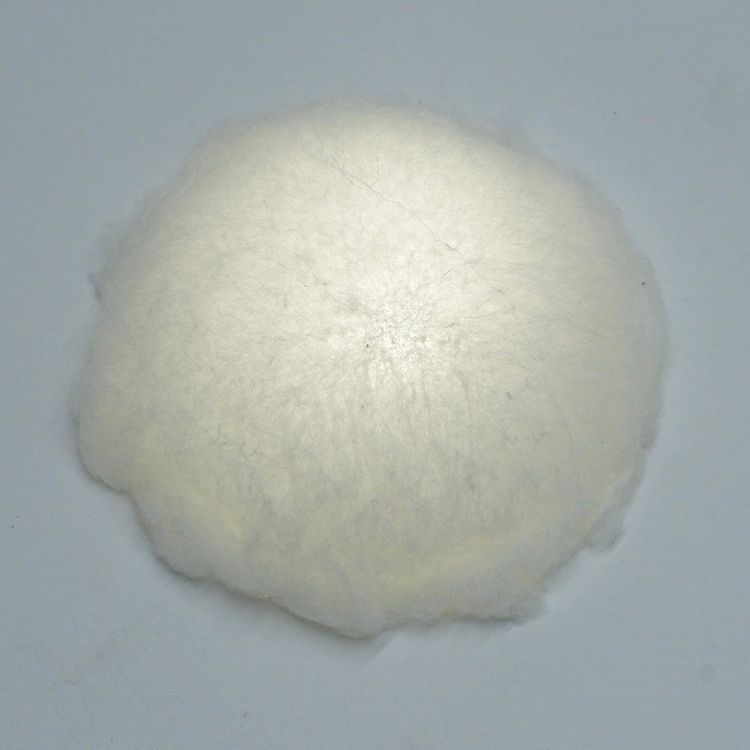
Qingshui Silk
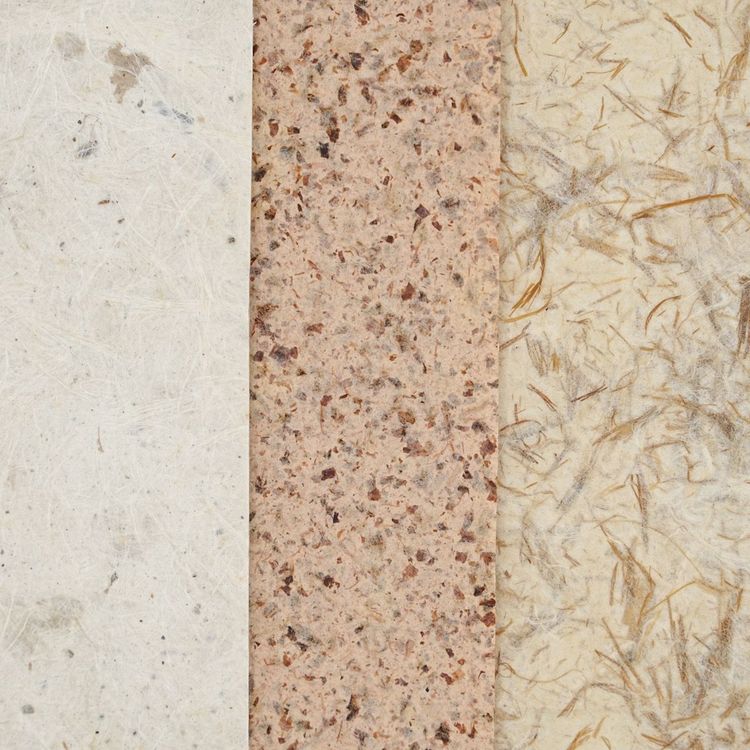
Traditional Handmade Paper
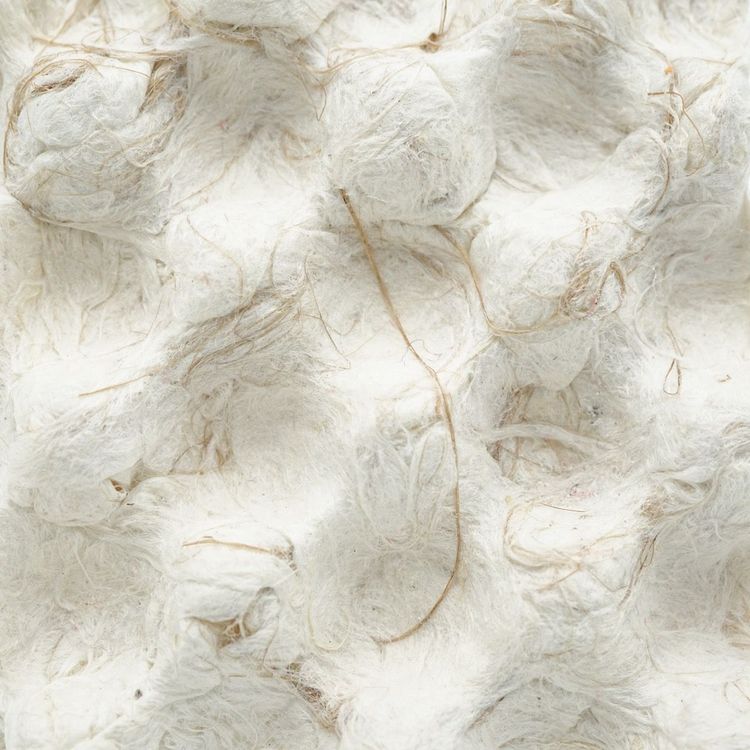
Plant Fiber Waste Upcycling Experiment
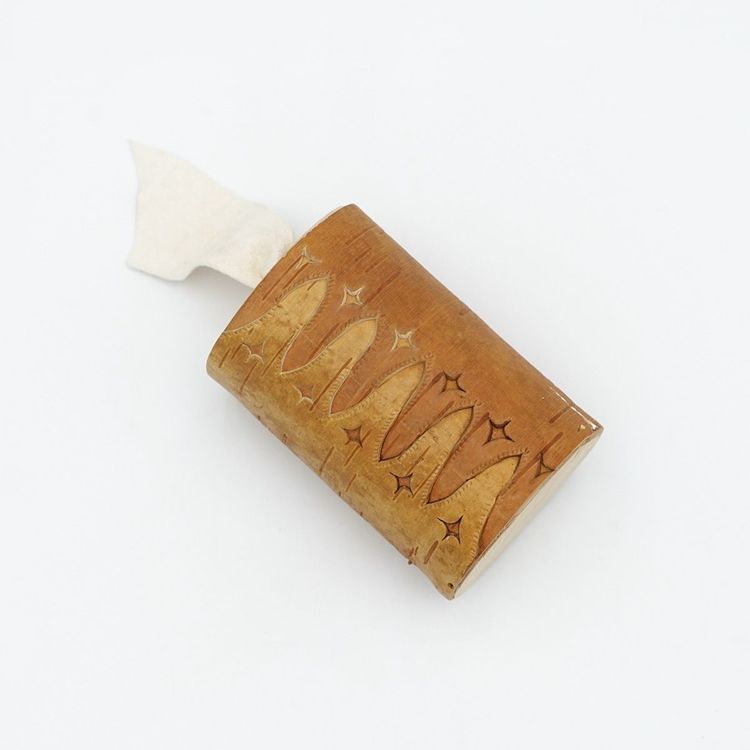
Birch Bark Box
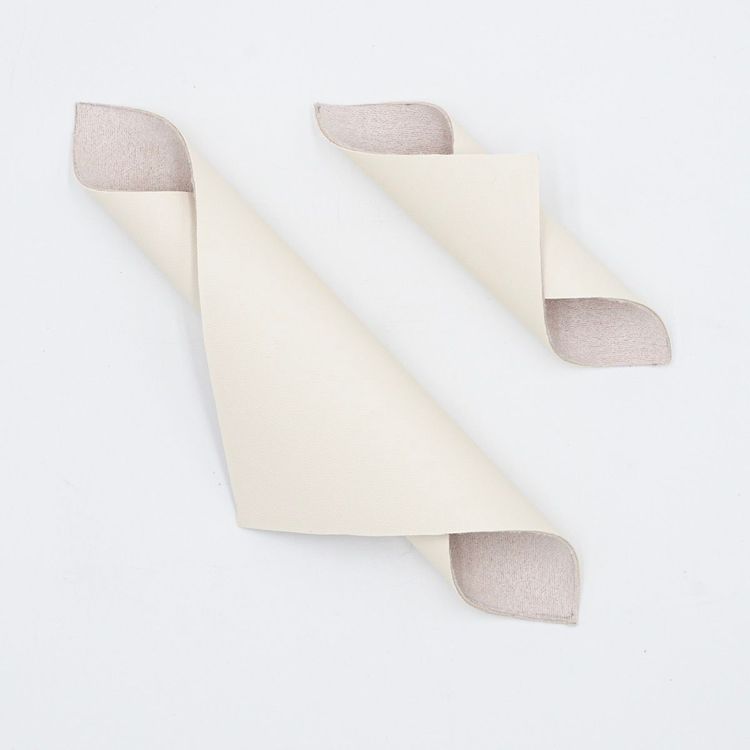
CloudSoft
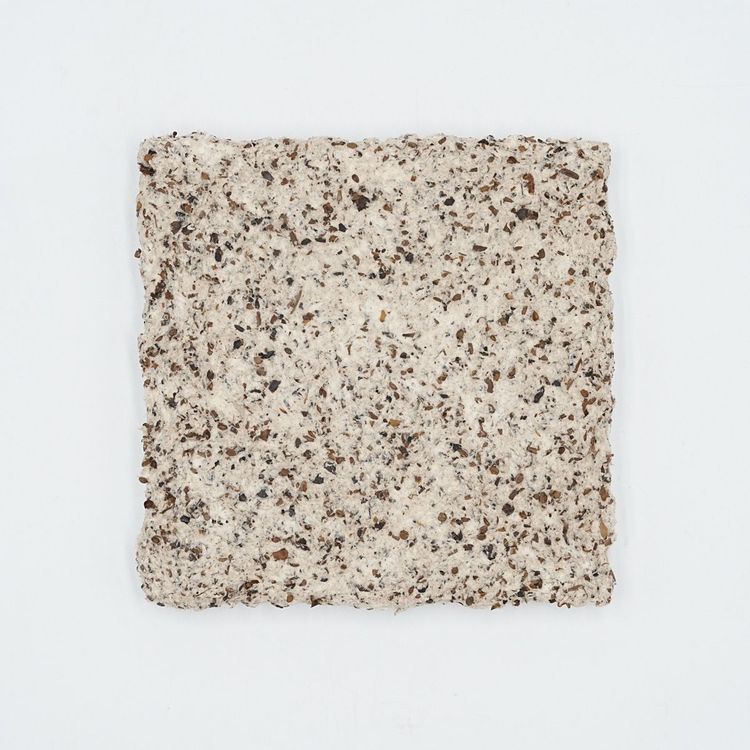
Vinegar Pulp
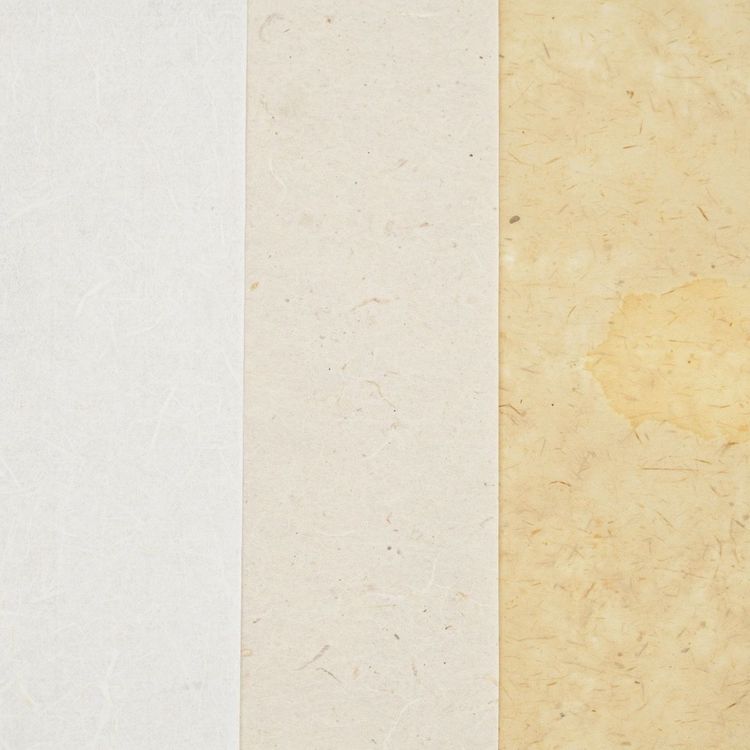
Traditional Handmade Paper
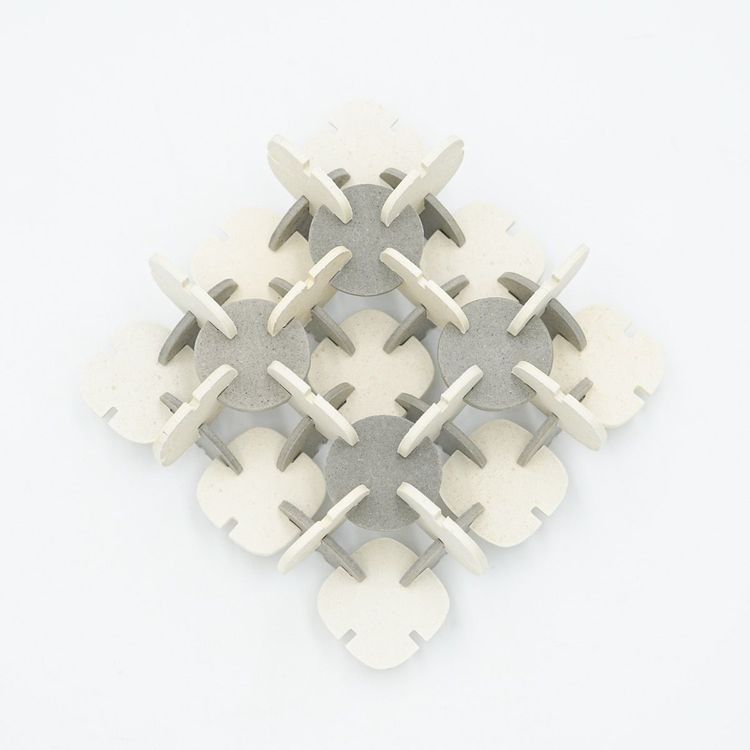
Pulp Injection Material
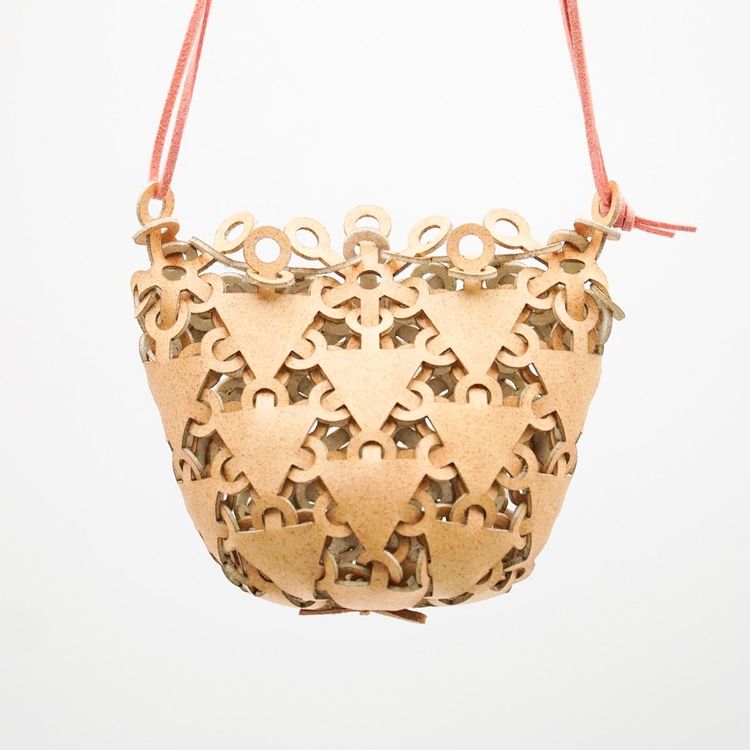
Frostwood
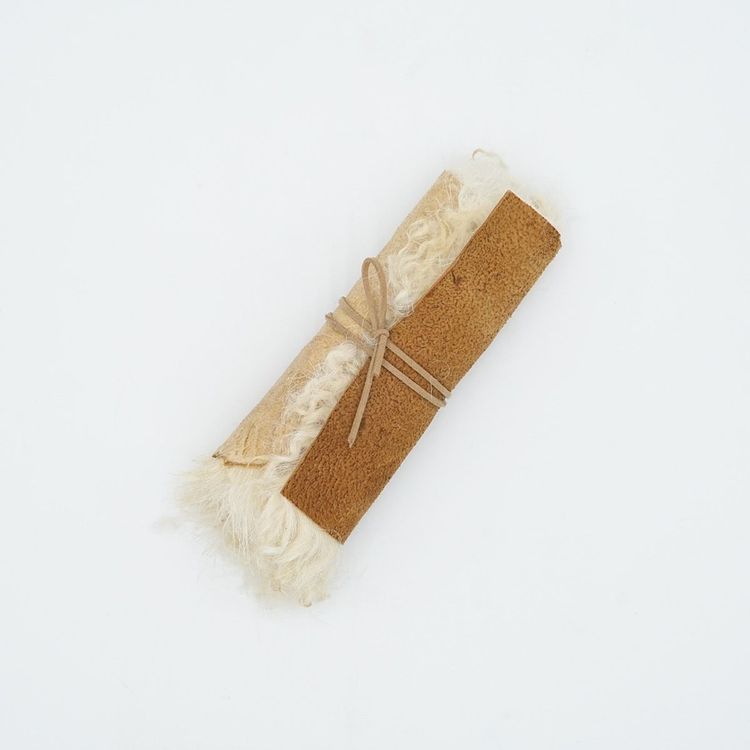
Smoked Sheepskin
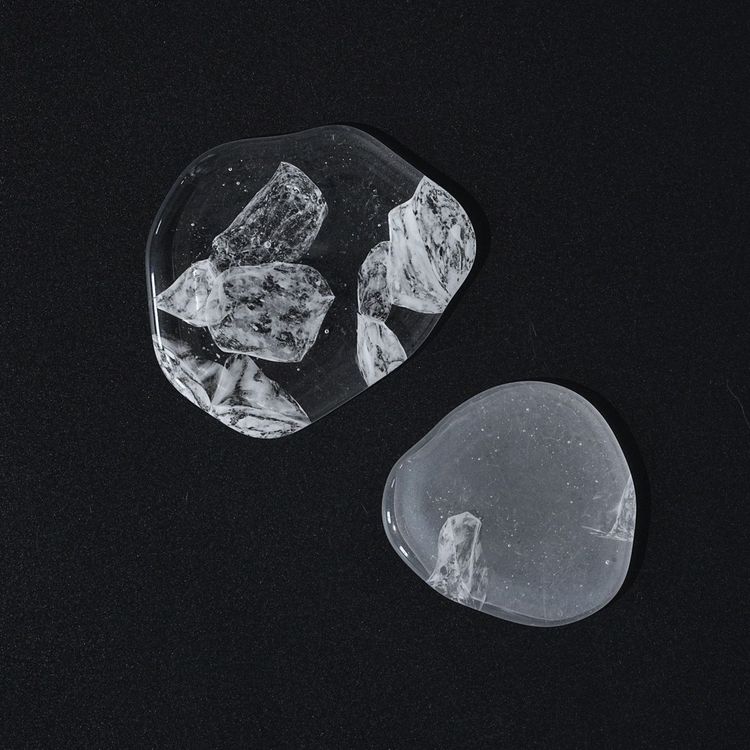
Floating(Fuyou)
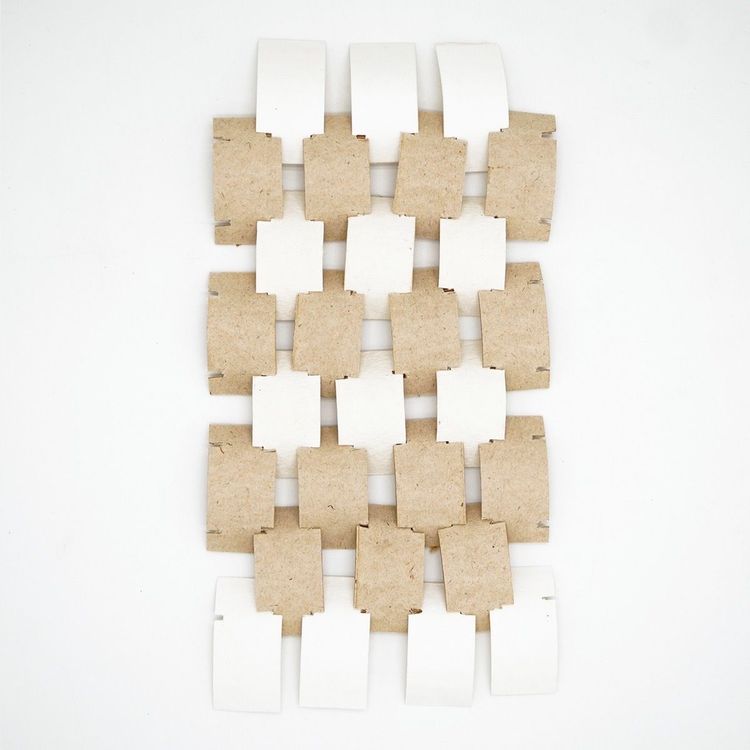
Eco packaging paper
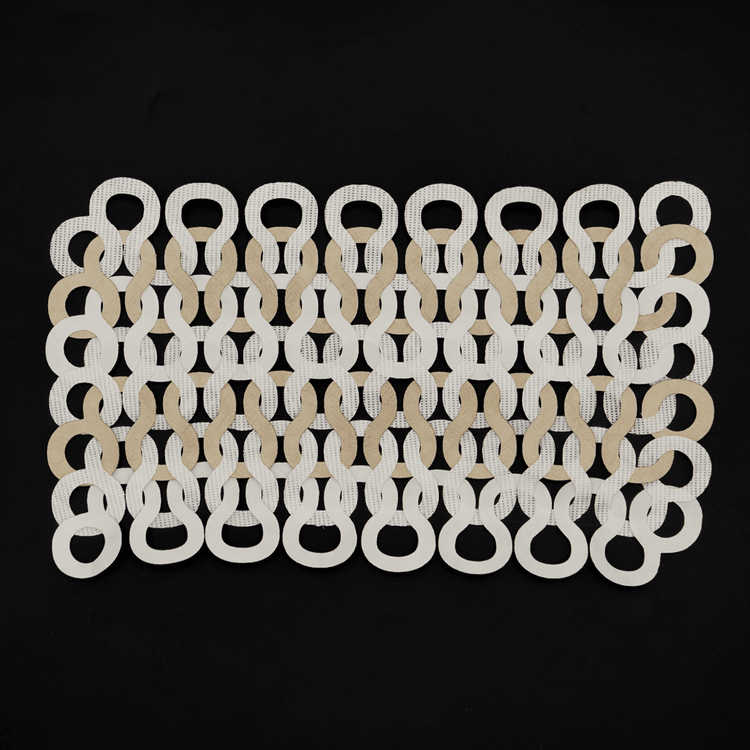
HYPAK™️
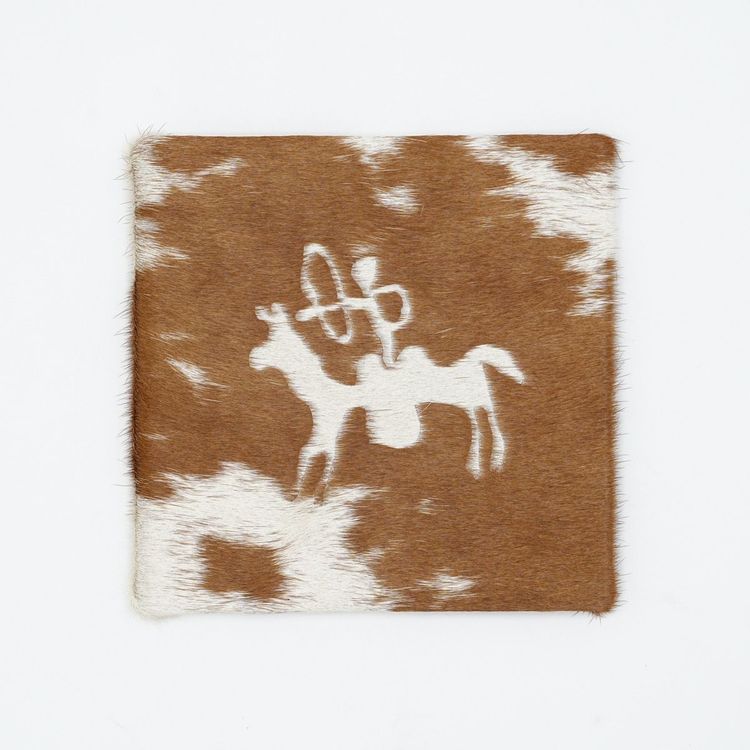
The Hunting Series
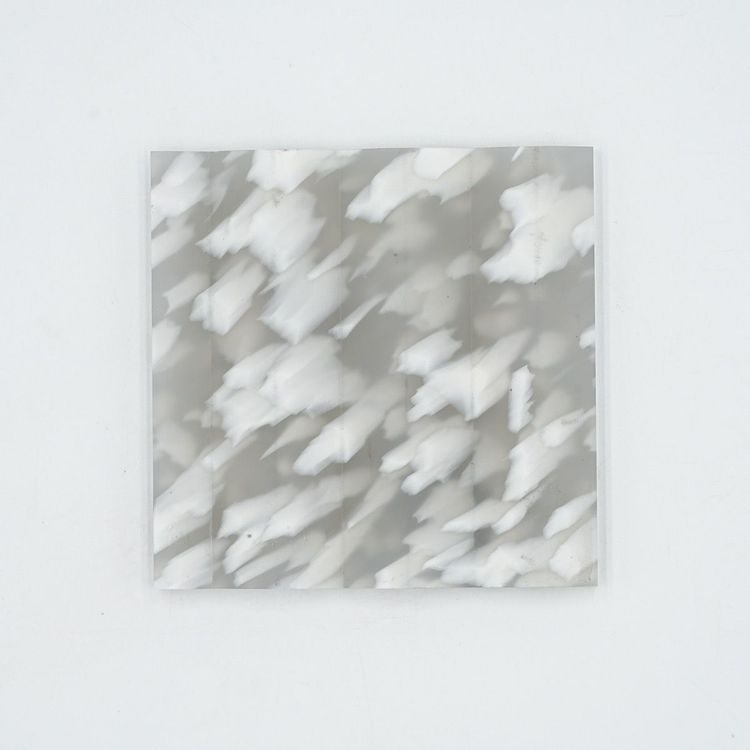
Regenerated Magic Stone