
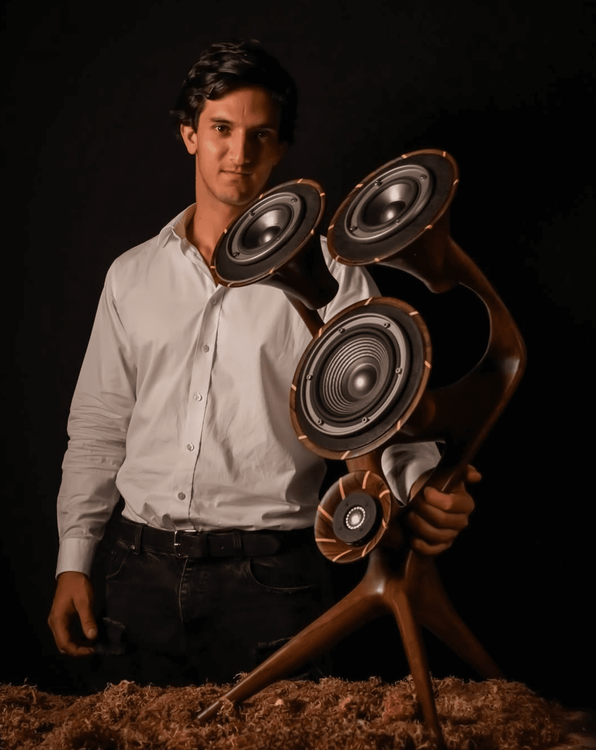
Juan Cortizo
Juan Cortizo is a Venezuelan industrial designer who graduated from the Instituto de Diseño de Caracas. Since his graduation, he has been deeply involved in the design world, guided by the concept of "Organic Futurism." This philosophy shapes his style and approach, characterized by an intuitive fusion of organic forms with a vanguard and contemporary vision. His work stands out for the intensity and authenticity with which he embodies this vision in every project.
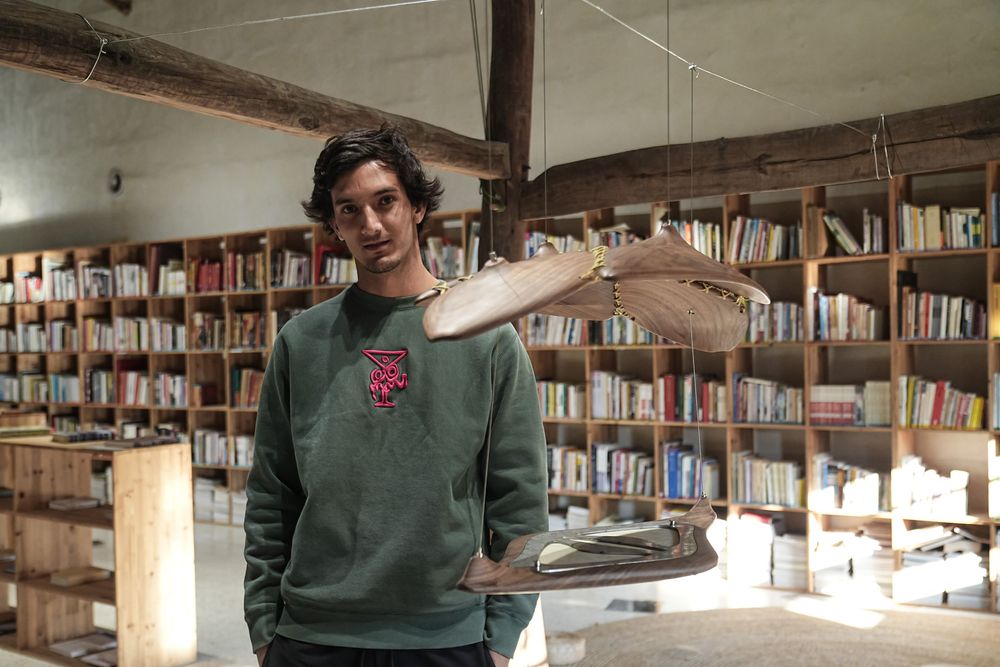
Juan Cortizo won the 2025 Rong Design Award for his work QUIBOR, and came to China for a one-month residency program to carry out his creative practice.
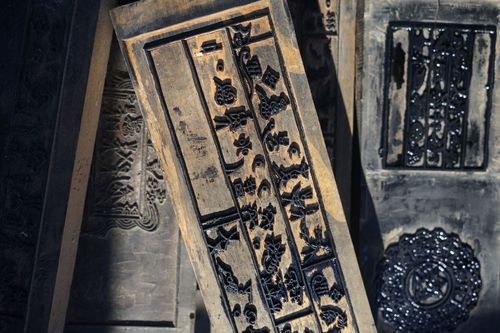
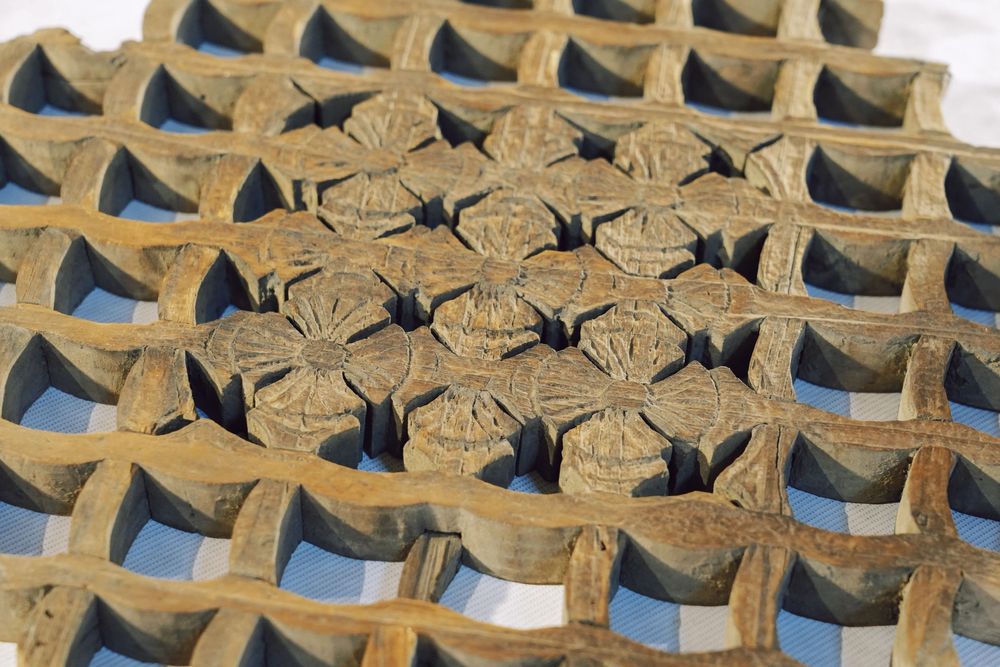
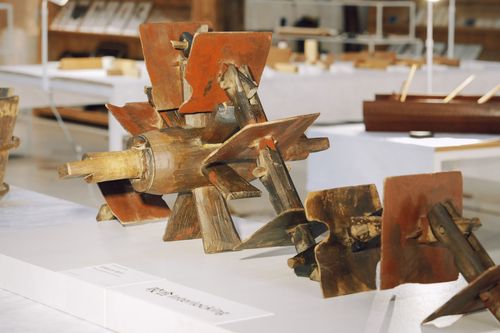
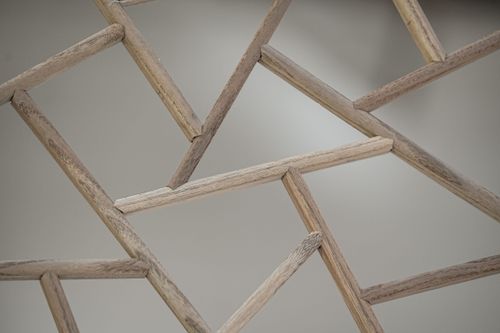
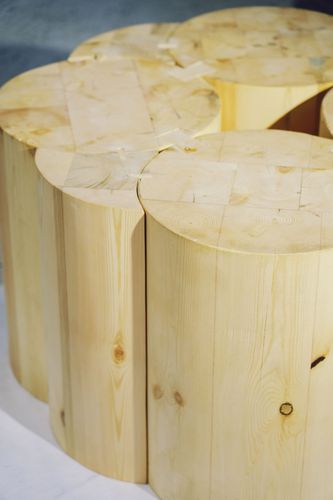
During his residency, Juan delved deeply into the techniques of wood cutting and joining, observing how precise craftsmanship transforms wood into complex forms with both aesthetic appeal and functional utility. At the same time, he meticulously explored the textures and cutting techniques of metal, contemplating how these methods can highlight the intrinsic qualities of the material and add depth and unique character to his work. Throughout the creative process, Juan remained committed to seeking a harmonious coexistence between wood and metal, blending the warmth and flexibility of wood with the cold sheen of metal, ultimately creating pieces that balance aesthetics with functionality and embodying innovative significance.
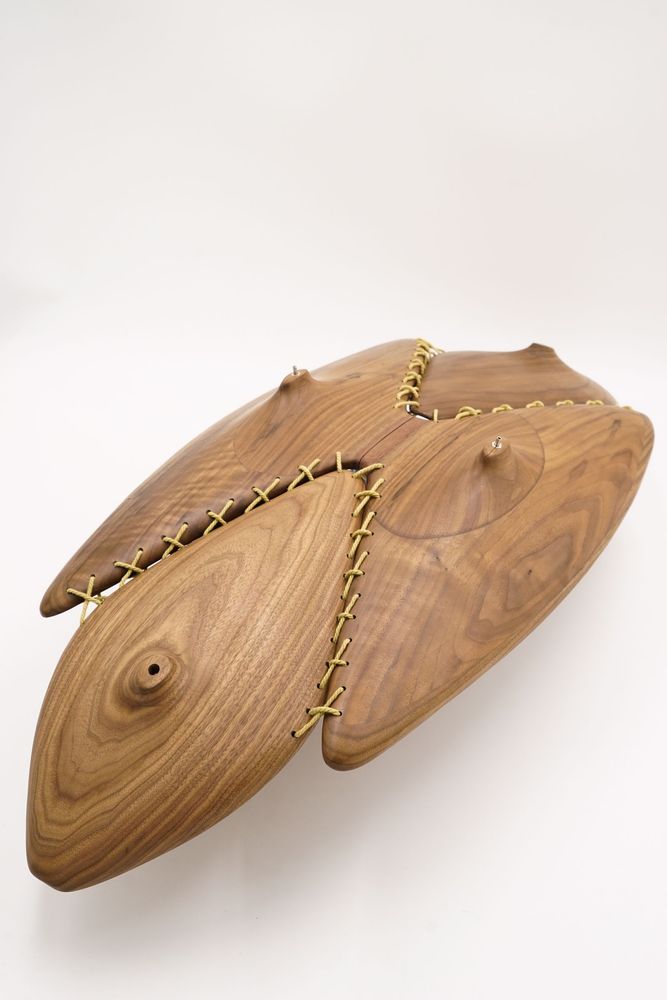
Four-Leaf Clover Lamp
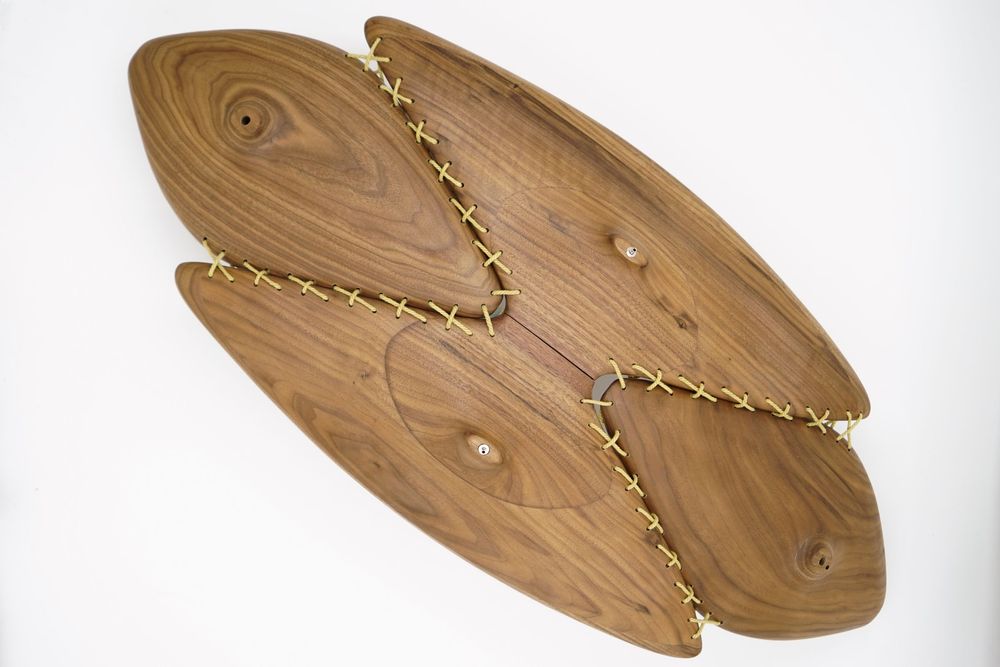
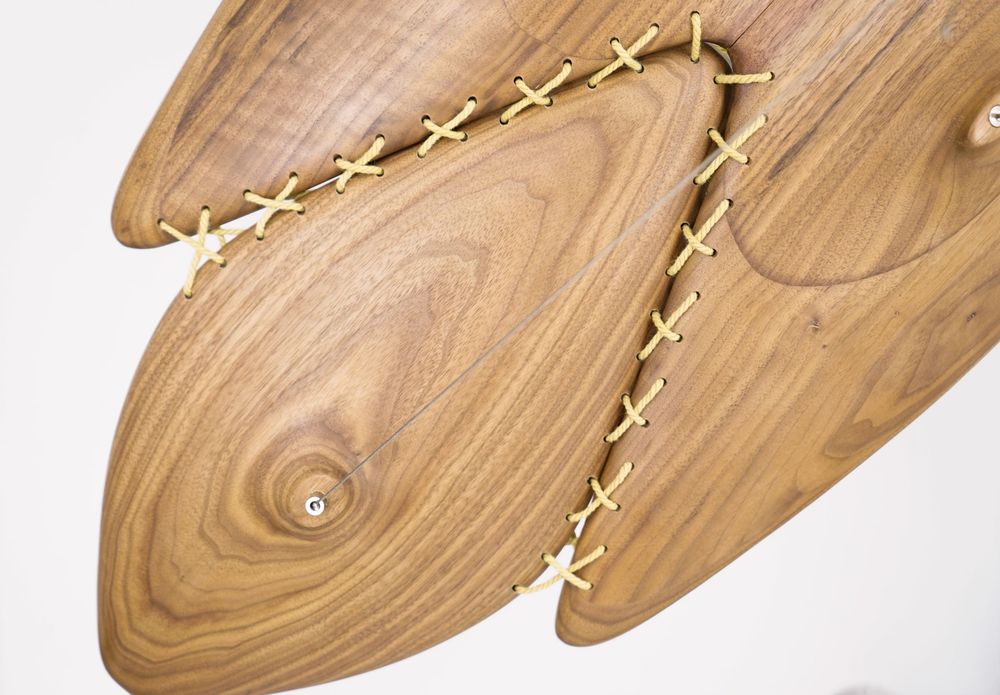
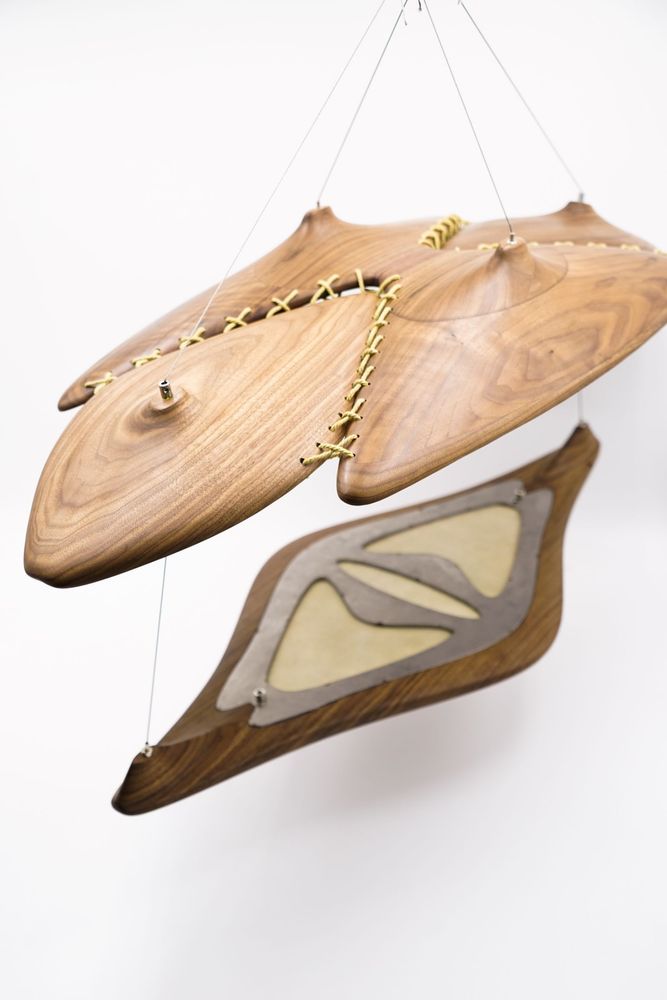
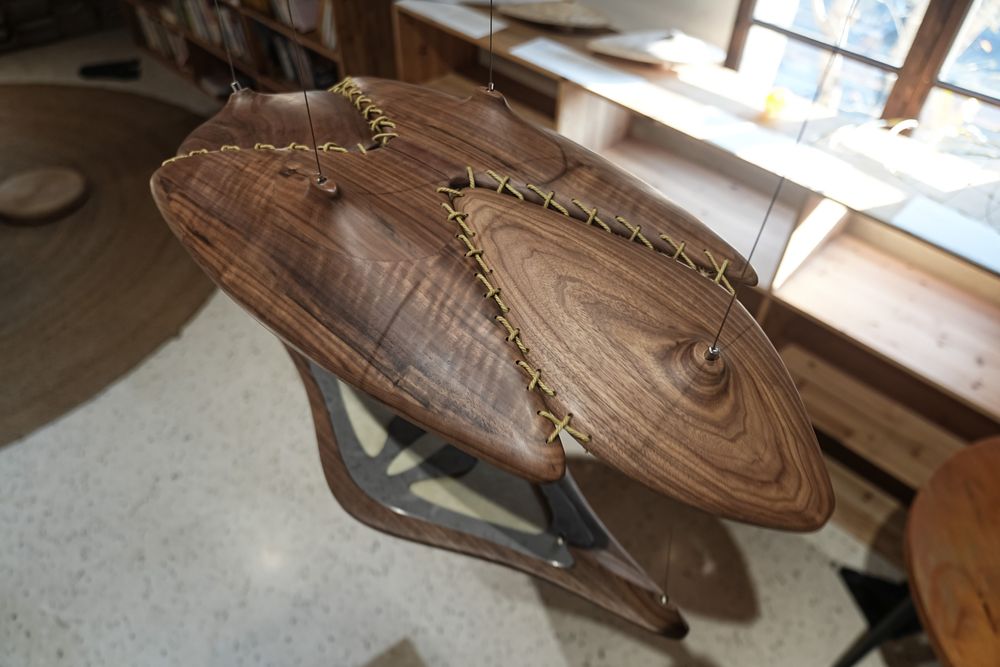
The design of this chandelier is inspired by the exploration of structural connections and the relationship between light and shadow. The overall form is expressed organically, creating a visual sense of lightness and suspension.
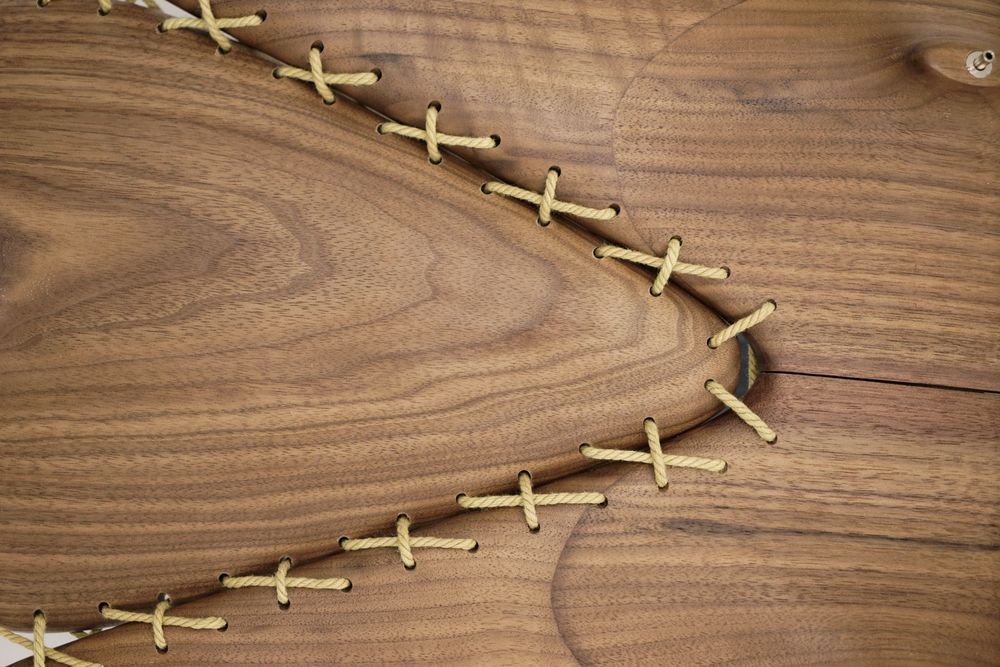
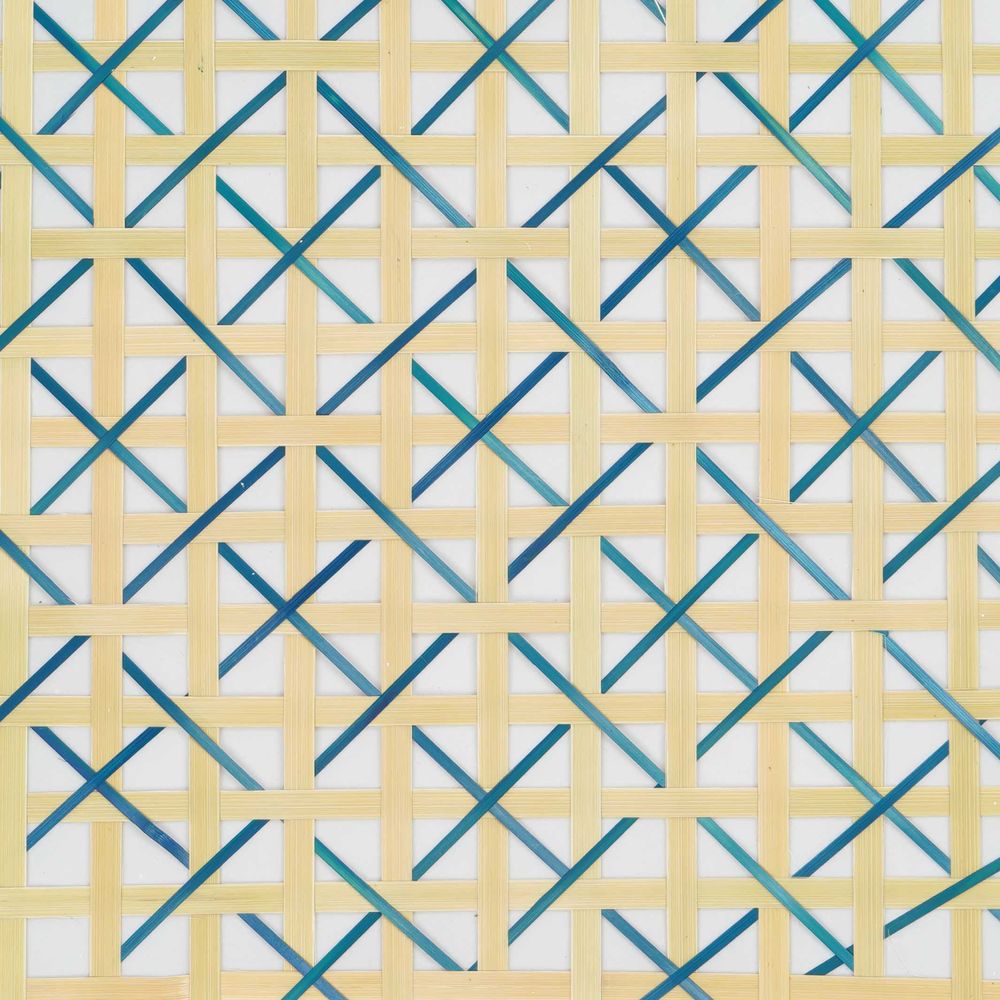
The lamp is connected by an "X"-shaped woven structure, ensuring the stability of the parts while enhancing the overall cohesion of the design.
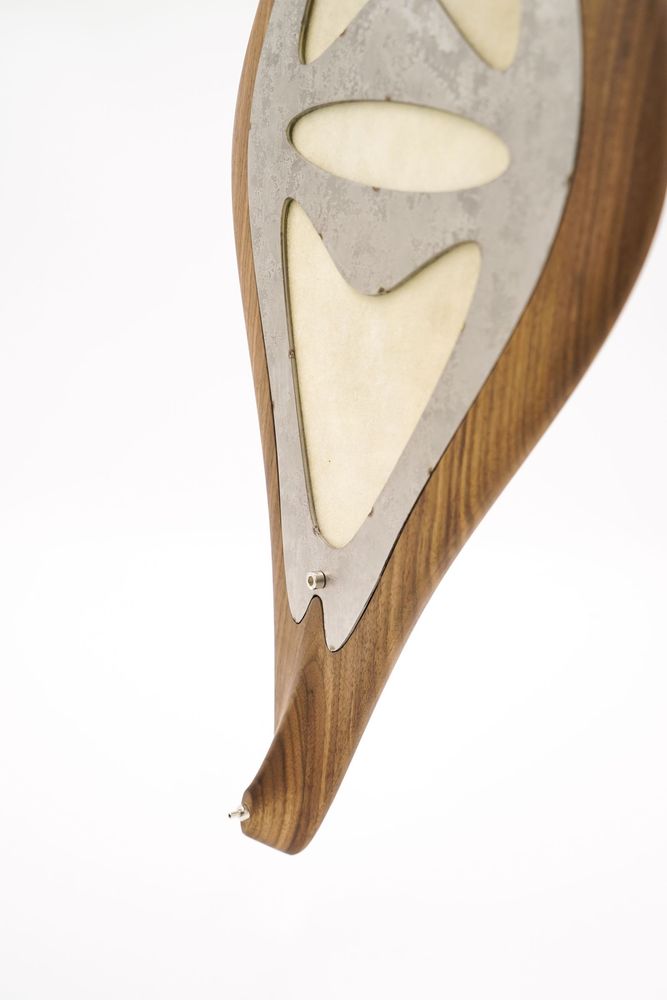
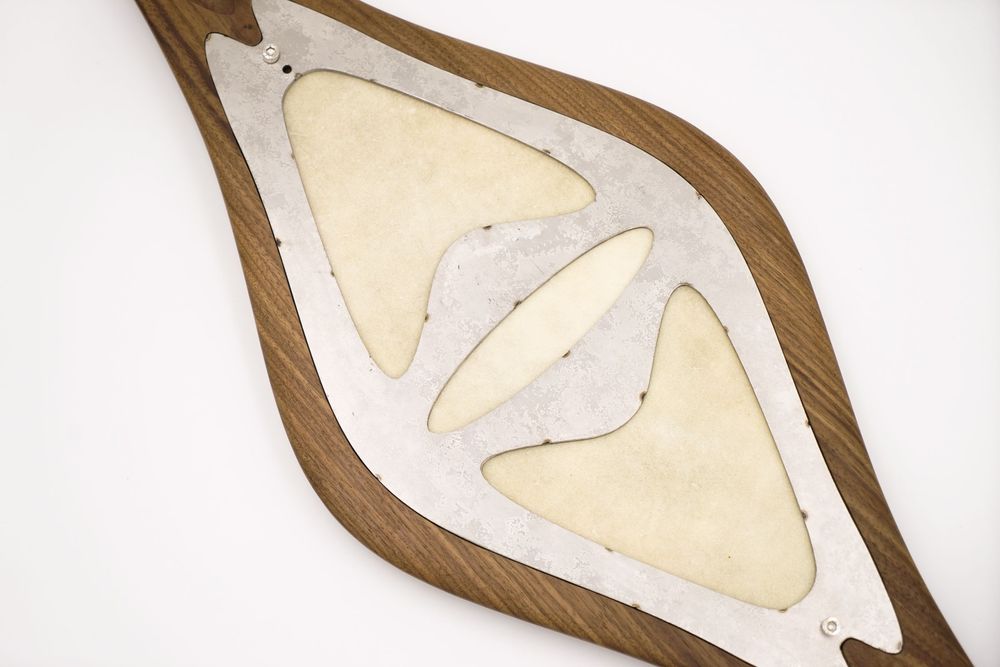
The lamp primarily serves as an indirect light source, with warm light diffusing from the metal base, softened and spread through the leather surface, creating a gentle, non-glare illumination. The steel cable suspension system gives the lamp a floating appearance, with the light softly illuminating the lamp itself and blending harmoniously with the surrounding space.
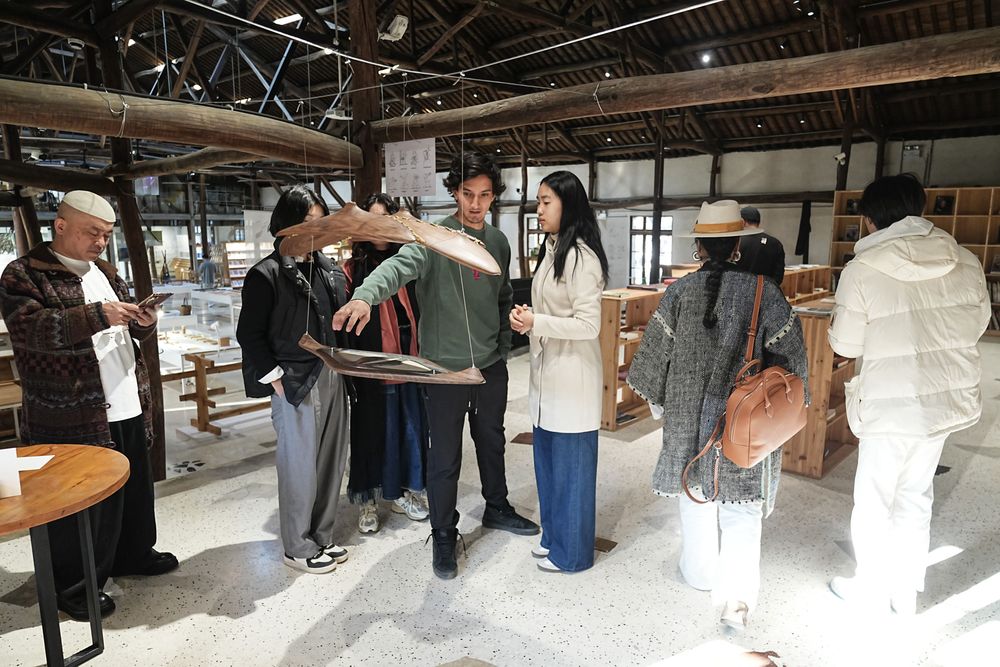
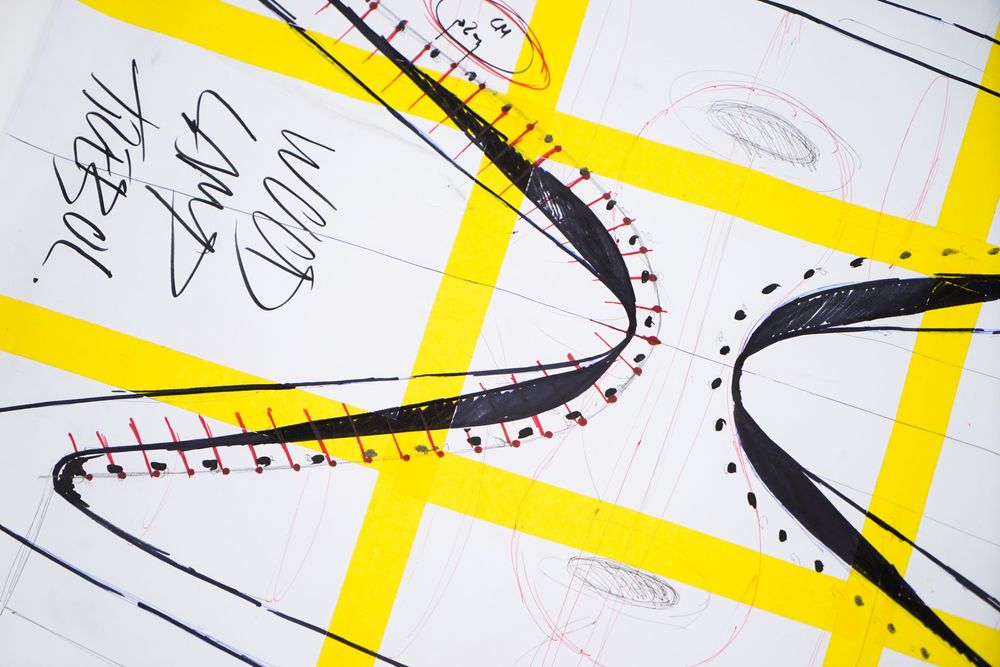
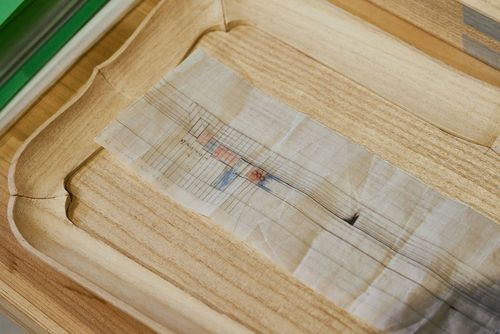
In Dongyang, Zhejiang, Juan discussed the feasibility of the design with local carpenters. Under their guidance, he repeatedly adjusted the structure and joints in the drawings, blending modern design with Dongyang woodworking's pursuit of precision and stability.
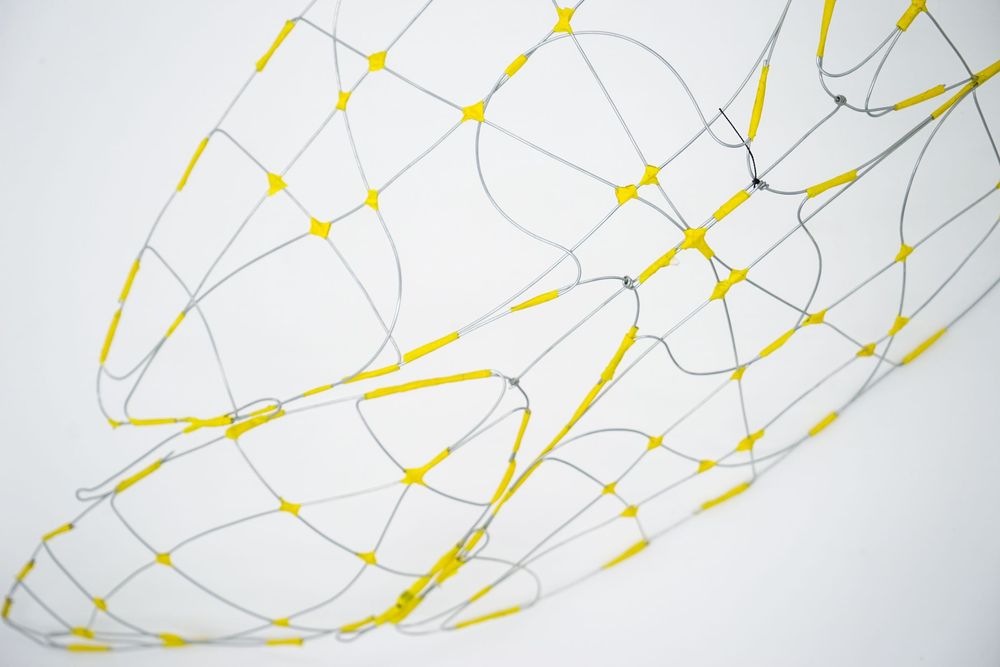
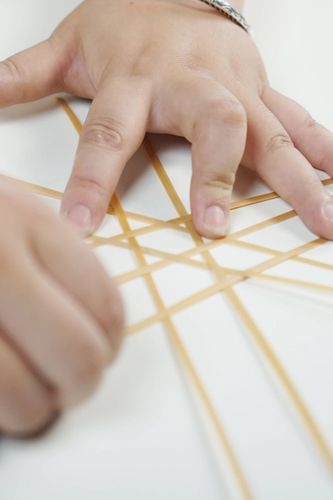
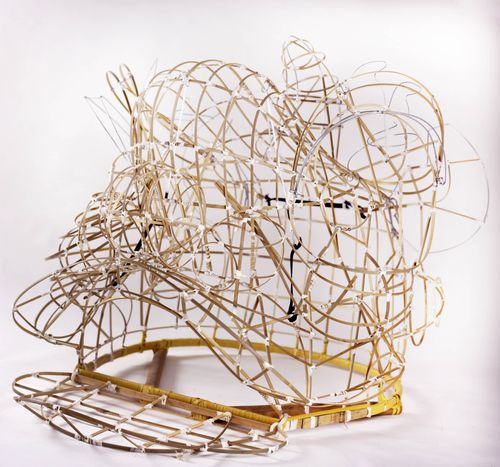
Juan has always viewed the creation of physical prototypes as a key step in the design process. Before starting the woodworking, he is accustomed to manually bending metal wire to create three-dimensional models.
Each bend and connection of the metal wire transforms the sketches and imagination into a three-dimensional form, bridging the gap between concept and final product. Through this simple "spatial sketch," he gains a clear understanding of form, gravity, and light effects before moving on to the complex woodworking, ensuring that the final lamp faithfully represents the original design concept.
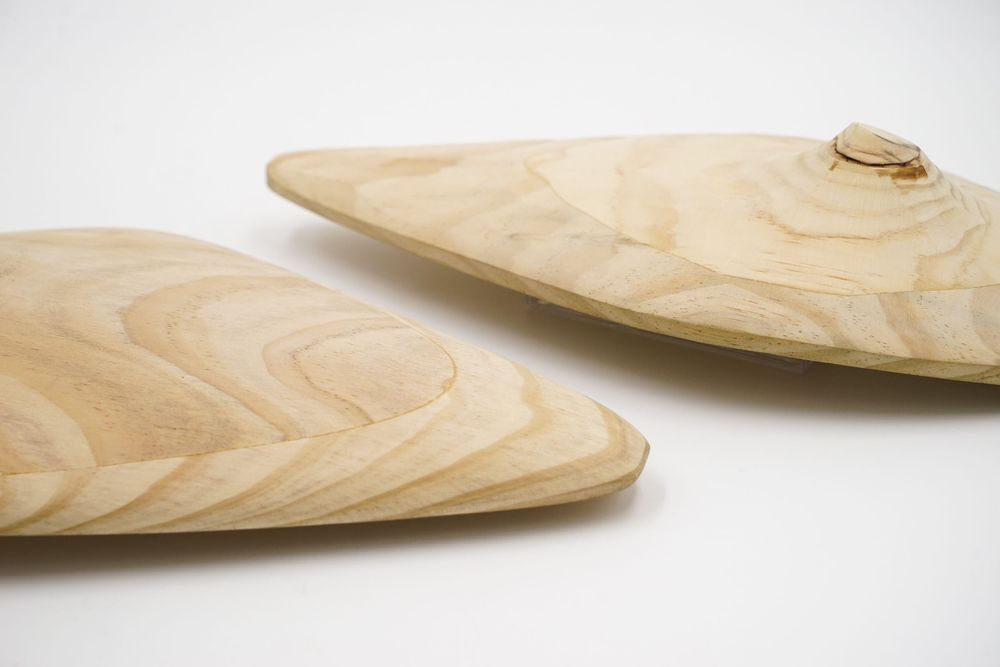
In the process of transitioning from drawing to physical form, Juan did not rush. He first created a 1.0 model and, through touch and observation, noticed the subtle differences between the drawing and the actual object. The thickness of the initial model did not convey the lightness he desired. By adjusting the structure and ensuring its integrity, he created a 2.0 model, making the form lighter and thinner.
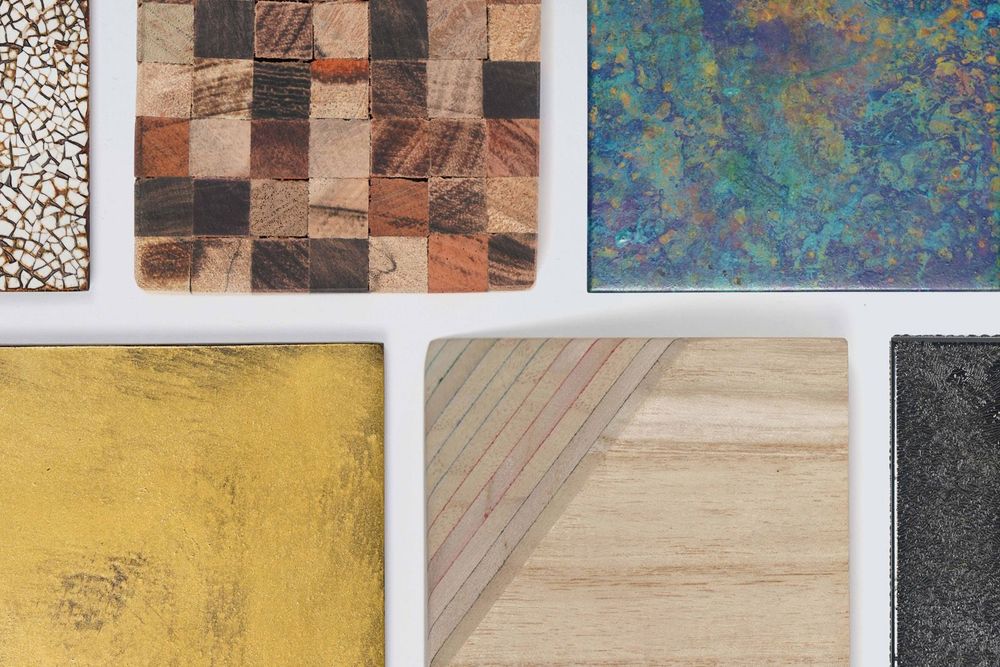
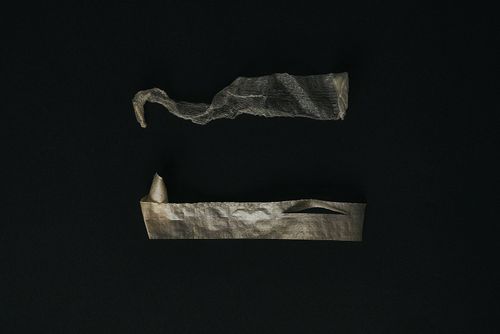
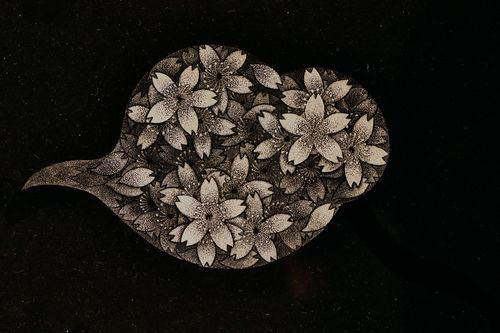
Juan is very interested in the creation of metal textures. After observing and gaining hands-on experience at the Nanzuoqi studio in Jingdezhen, his understanding of metal deepened. Due to limitations such as production time, he chose stainless steel for its ease of processing and stable performance. Its surface is also suitable for delicate texture treatments, allowing him to better achieve his design intent. He chose leather for the lampshade, which softens the light, highlighting and accentuating the form of the piece while harmoniously blending with the surrounding environment.
Related Research
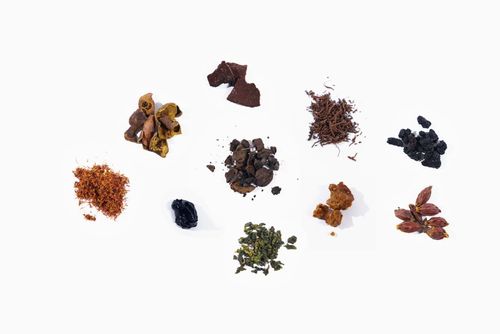
Natural Materialscoloring
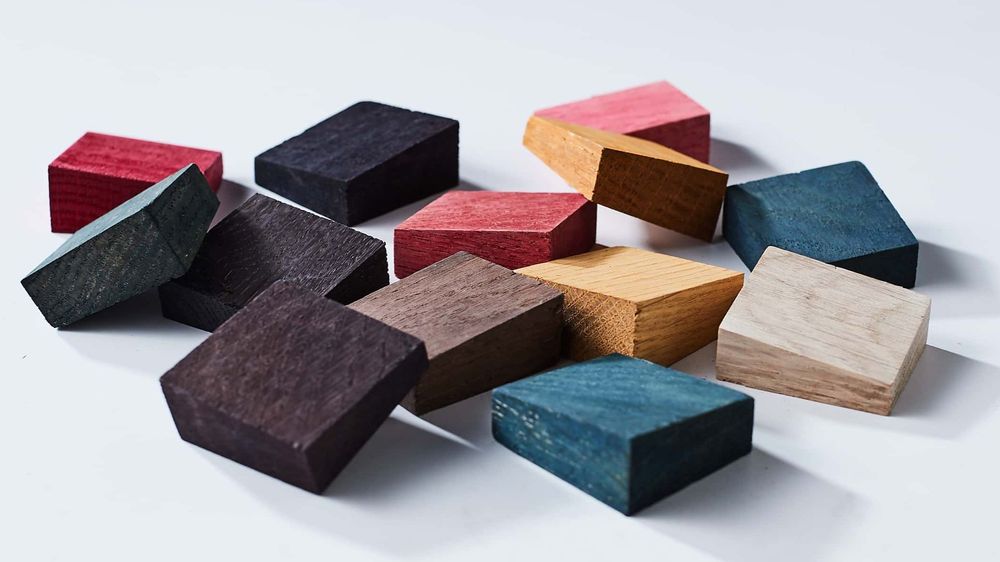
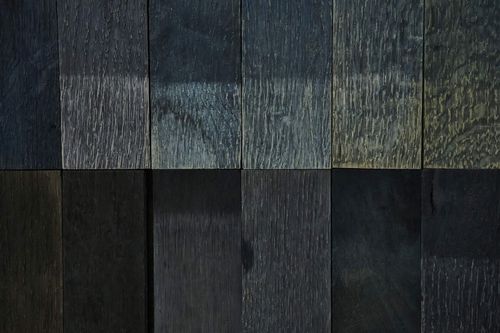
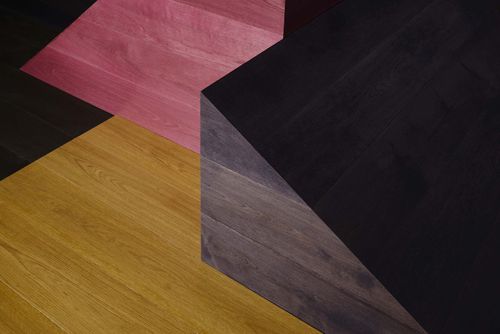
wood staining
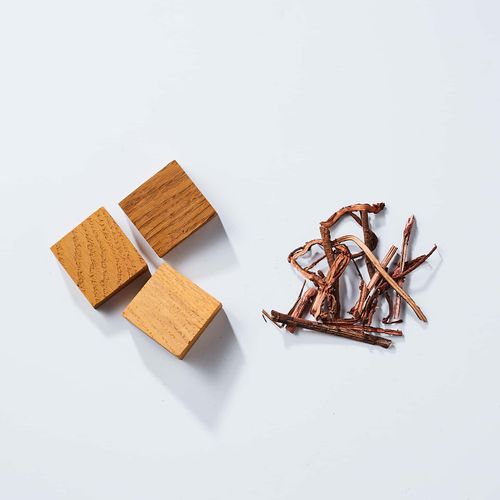
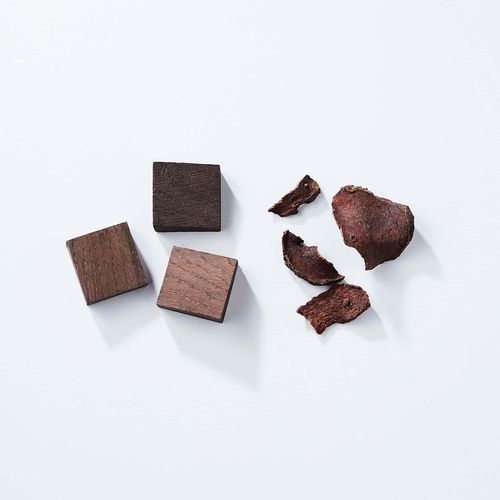
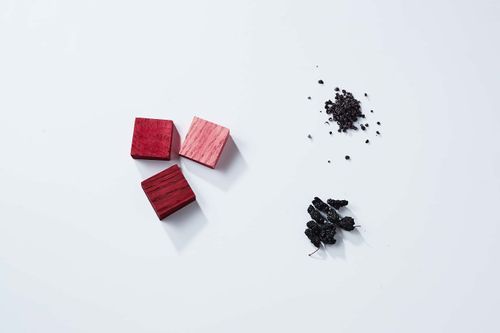
Natural Materials
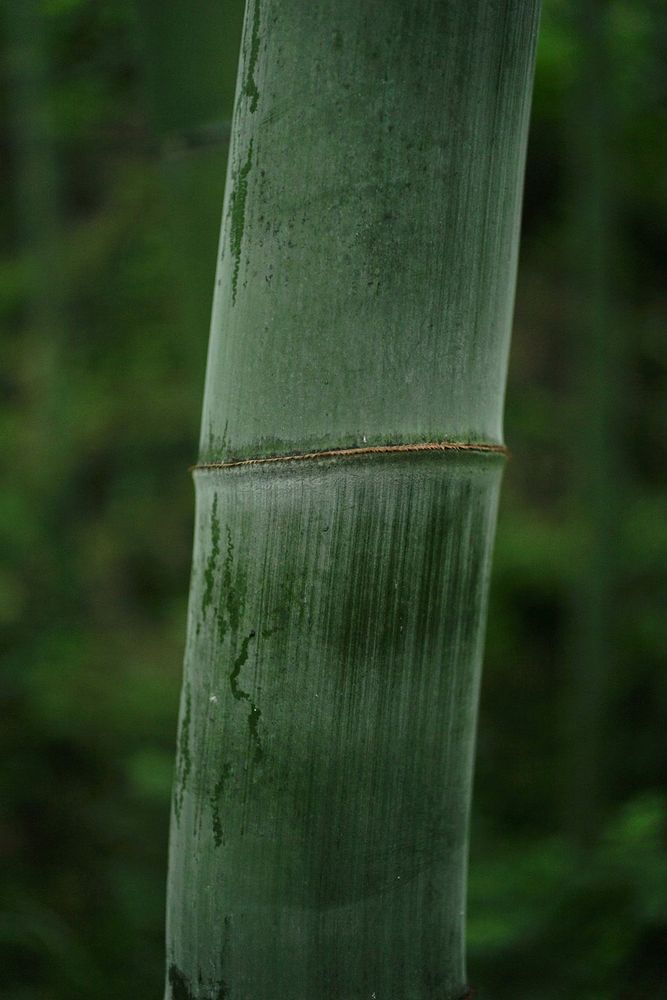
bamboo
metal
copper

textileweaving
silk
weavingtextile
textile texture
weaving
weaving